How the SOCO Project is piloting a locally led approach to climate adaptation in Yendi Municipality
Every community has its own story about climate change. For some, it is the rains arriving later than expected. For others, it is prolonged dry spells, declining crop yields, or changing seasons that make farming increasingly unpredictable. While these challenges are often shared, the way they affect communities is different. So too are the solutions.
Recognising that communities understand their environment better than anyone else, the Gulf of Guinea Northern Regions Social Cohesion (SOCO) Project, under the Ministry of Local Government, Chieftaincy and Religious Affairs (MLGCRA), is piloting a Locally Led Adaptation (LLA) approach in the Yendi Municipality. The initiative, being implemented in collaboration with the National Development Planning Commission (NDPC) and other key stakeholders, is testing how local knowledge and community participation can strengthen climate-resilient development planning.
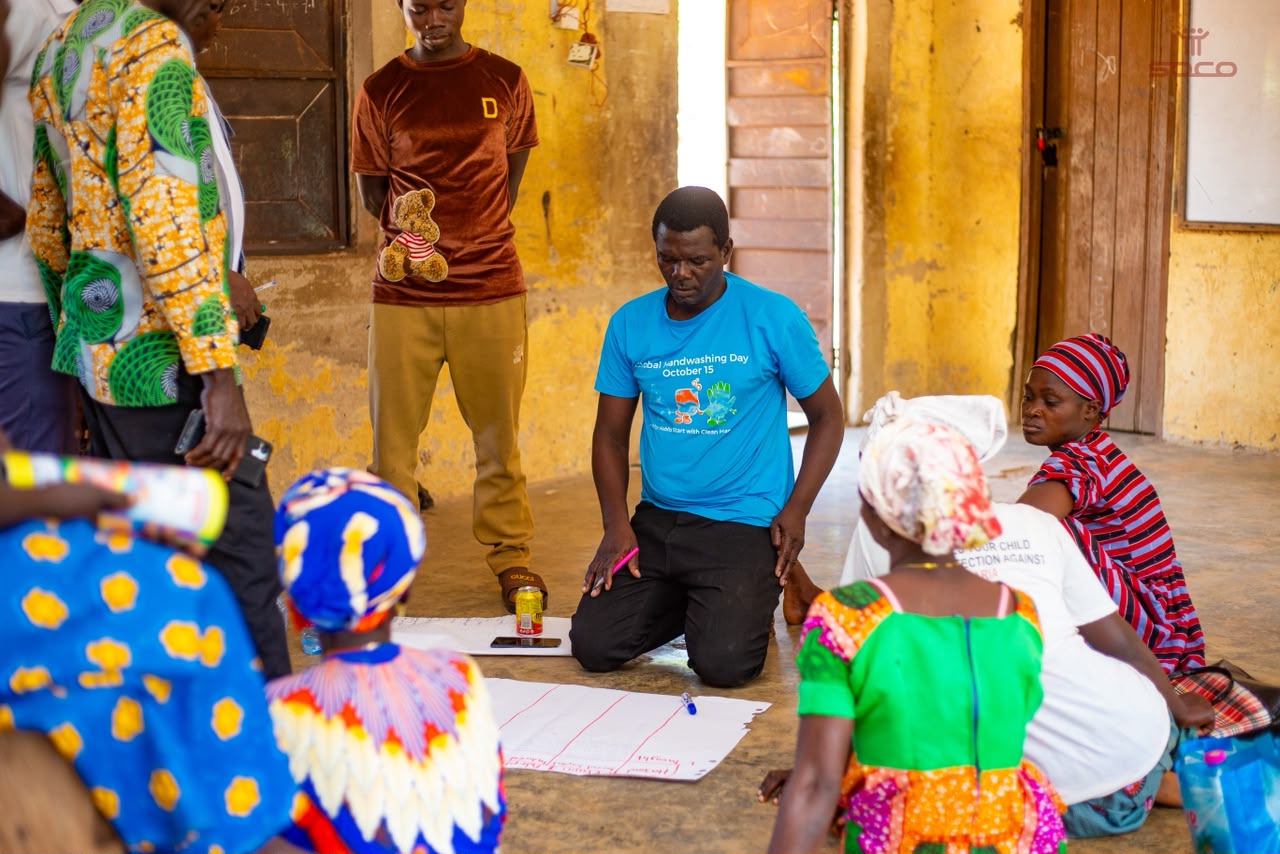
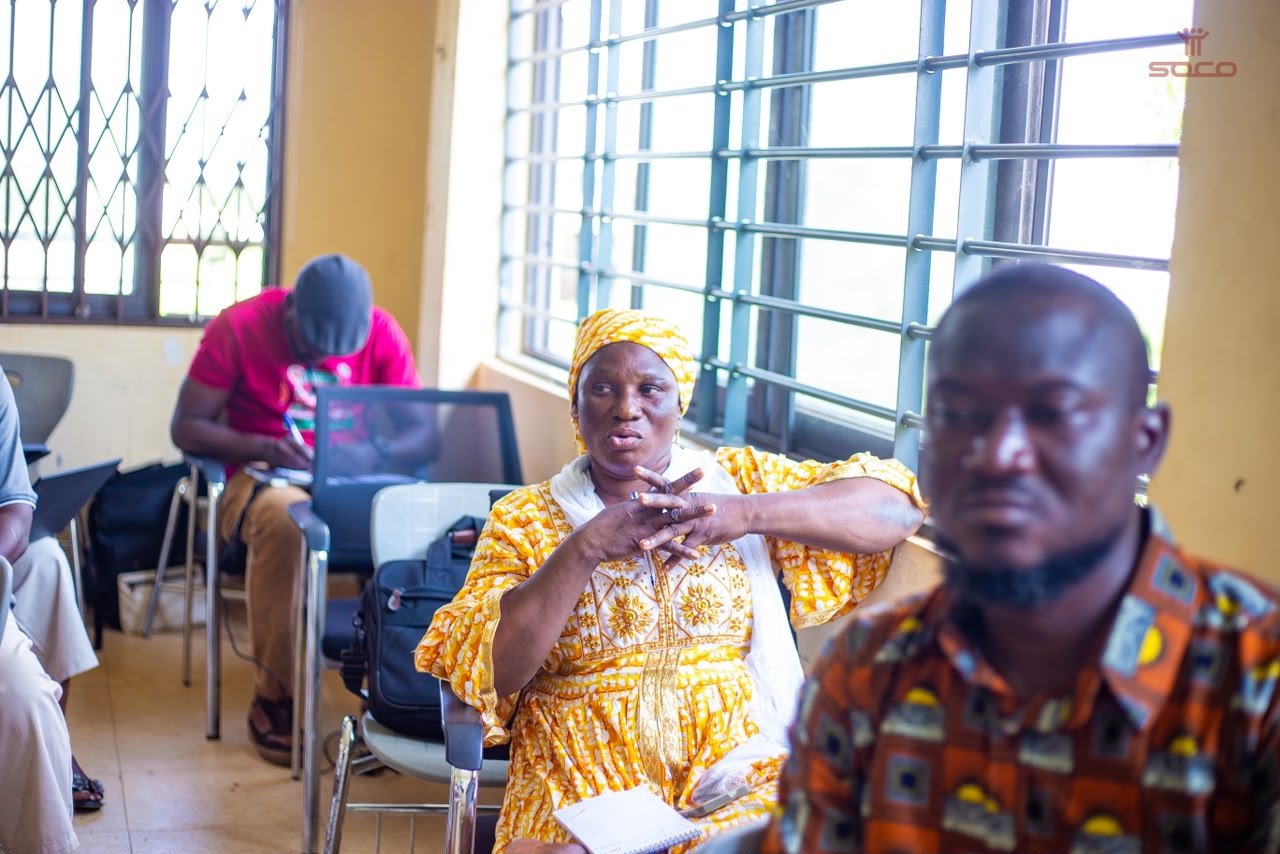
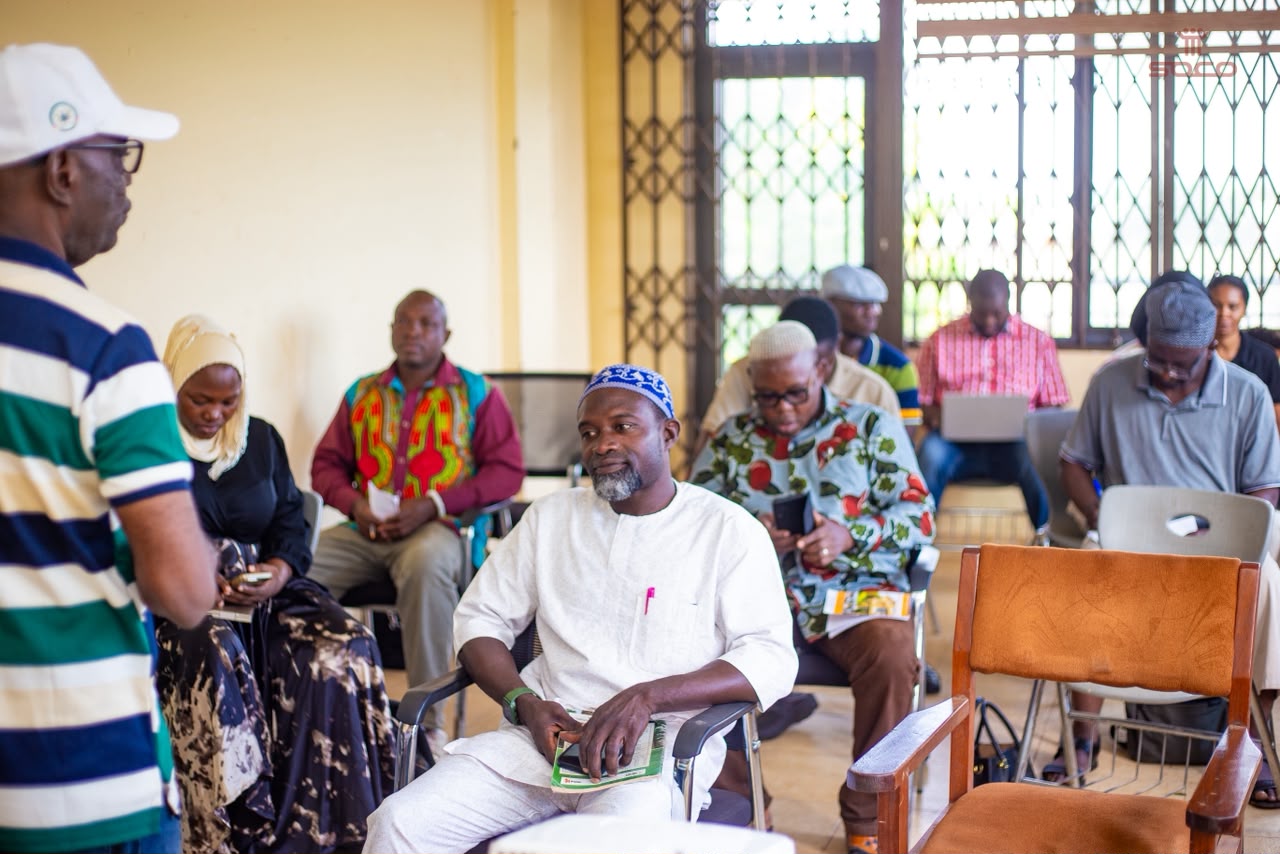
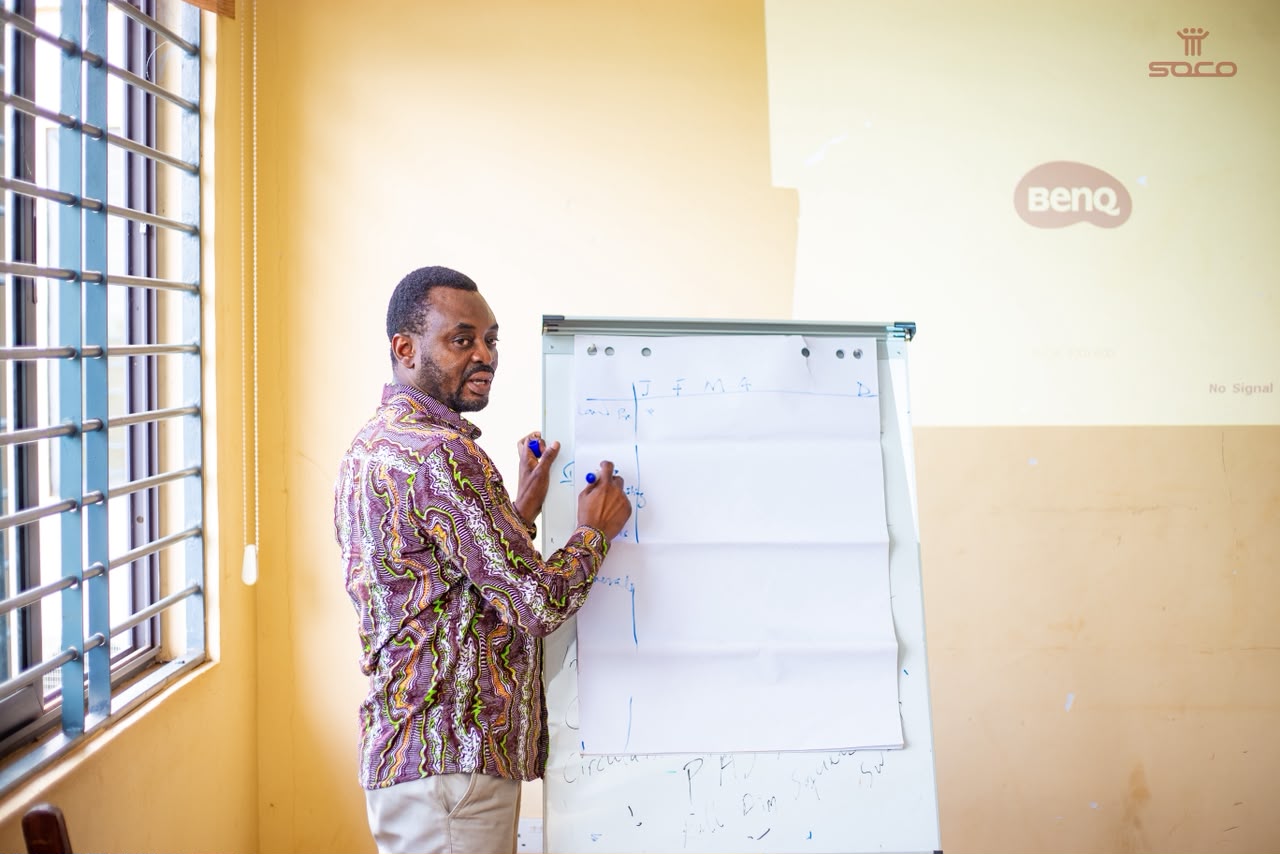
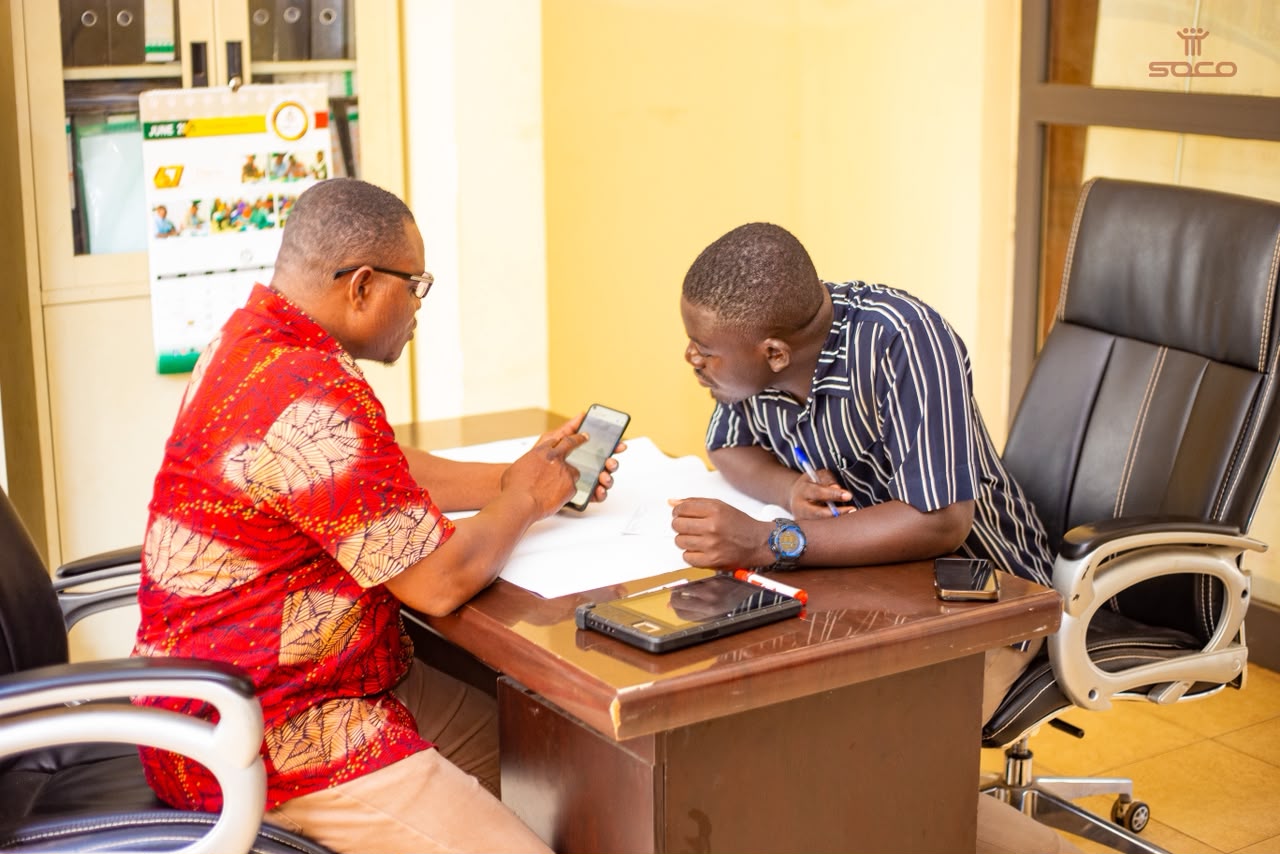
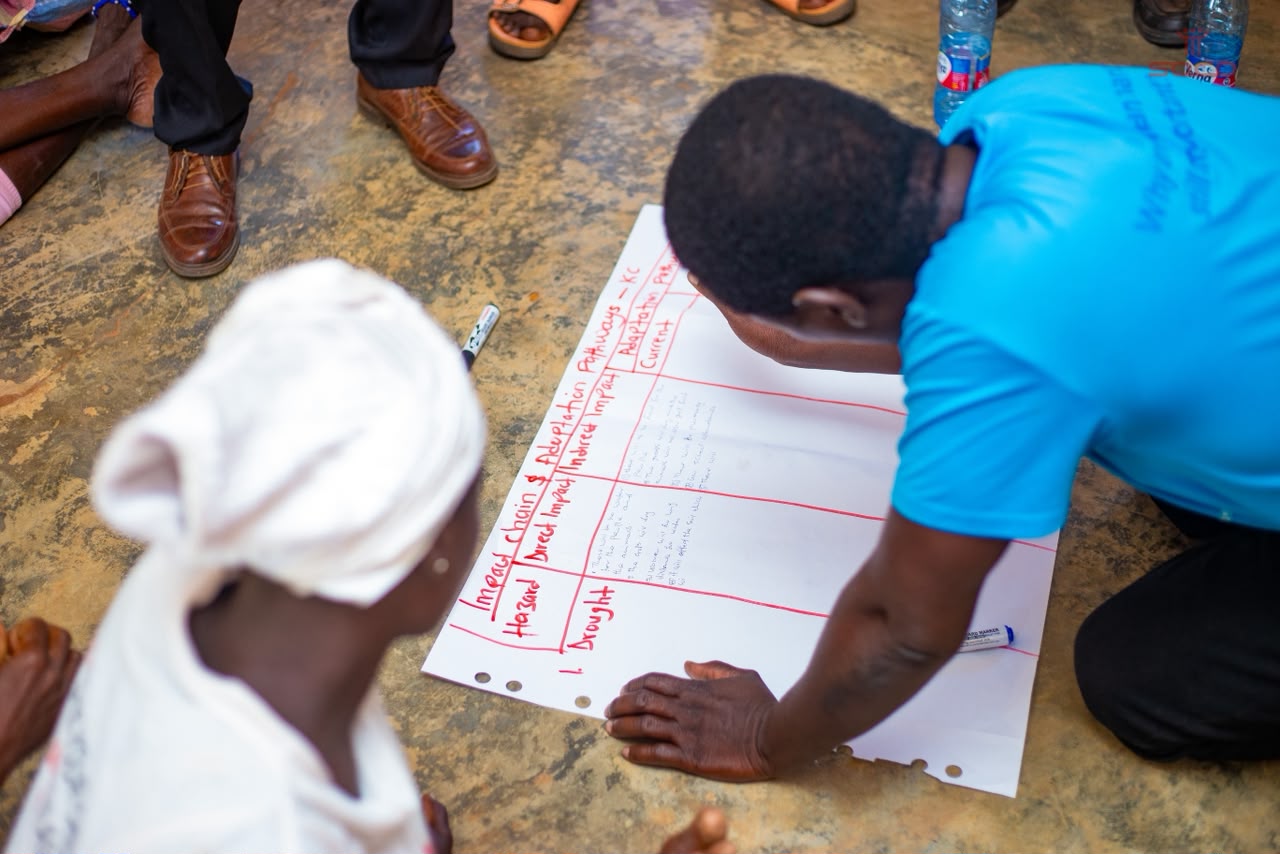
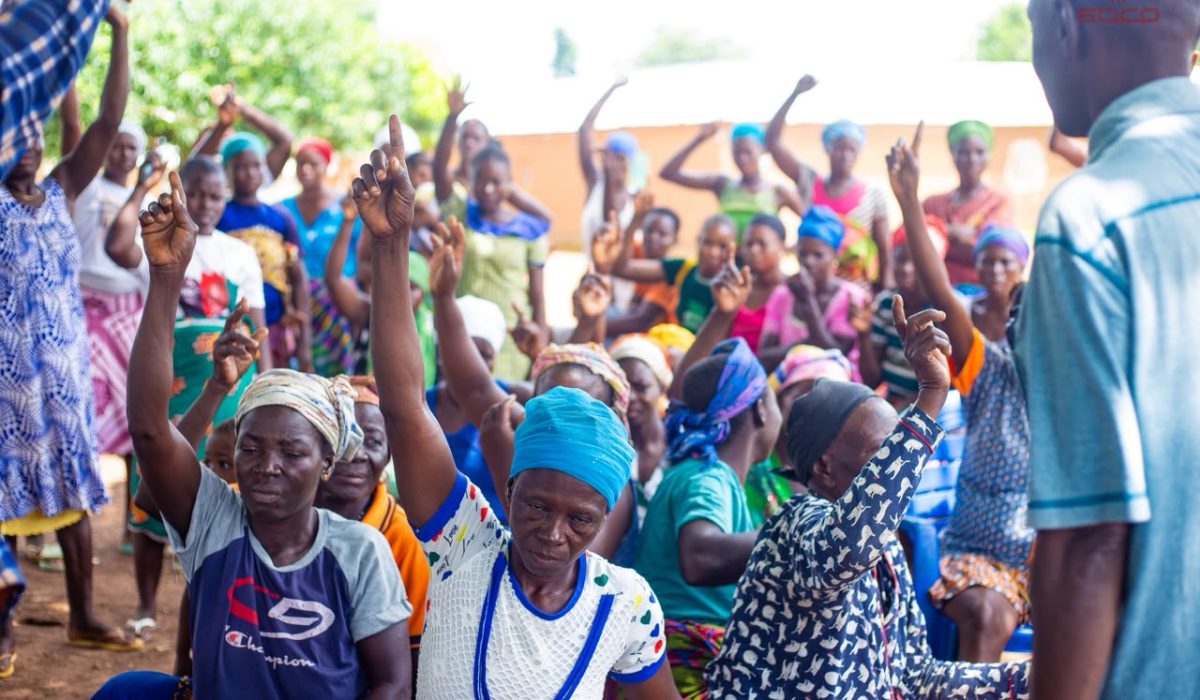
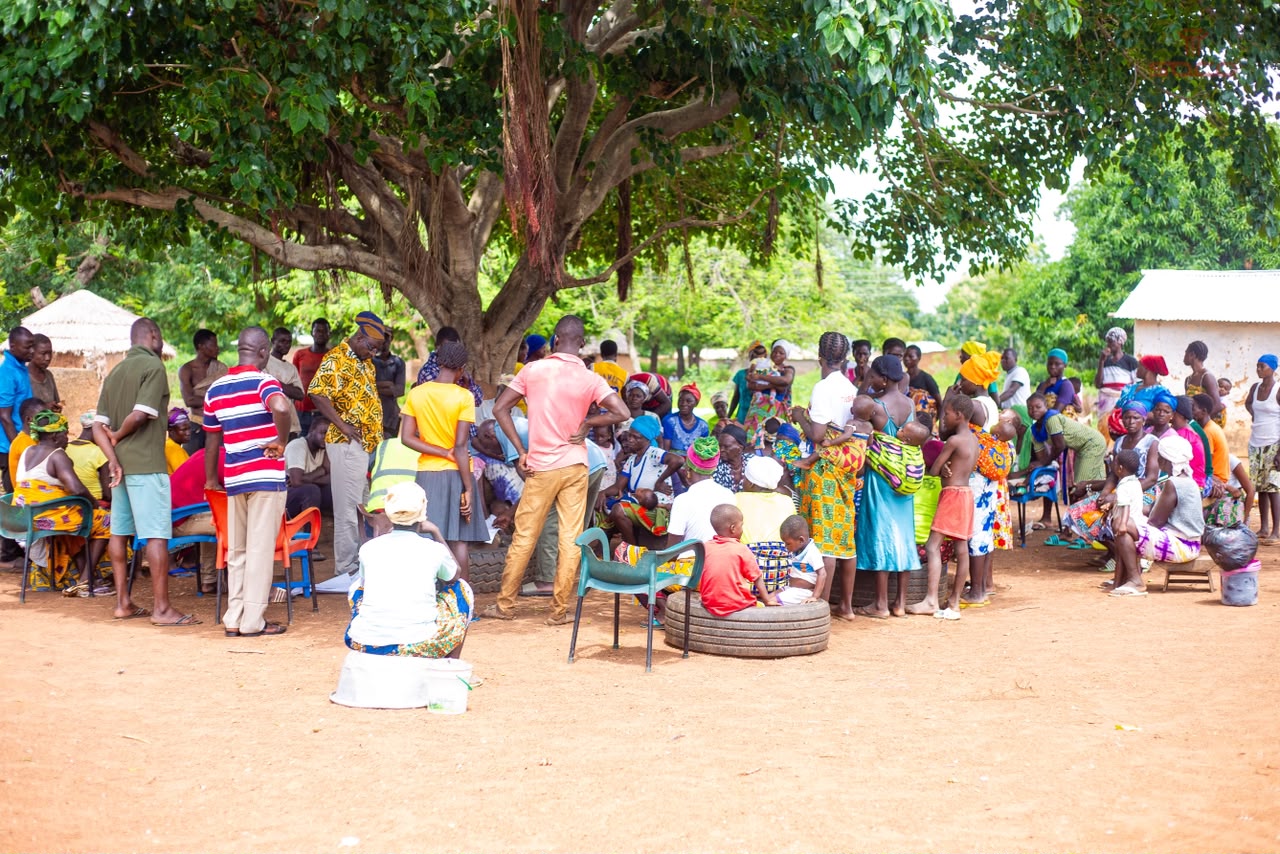
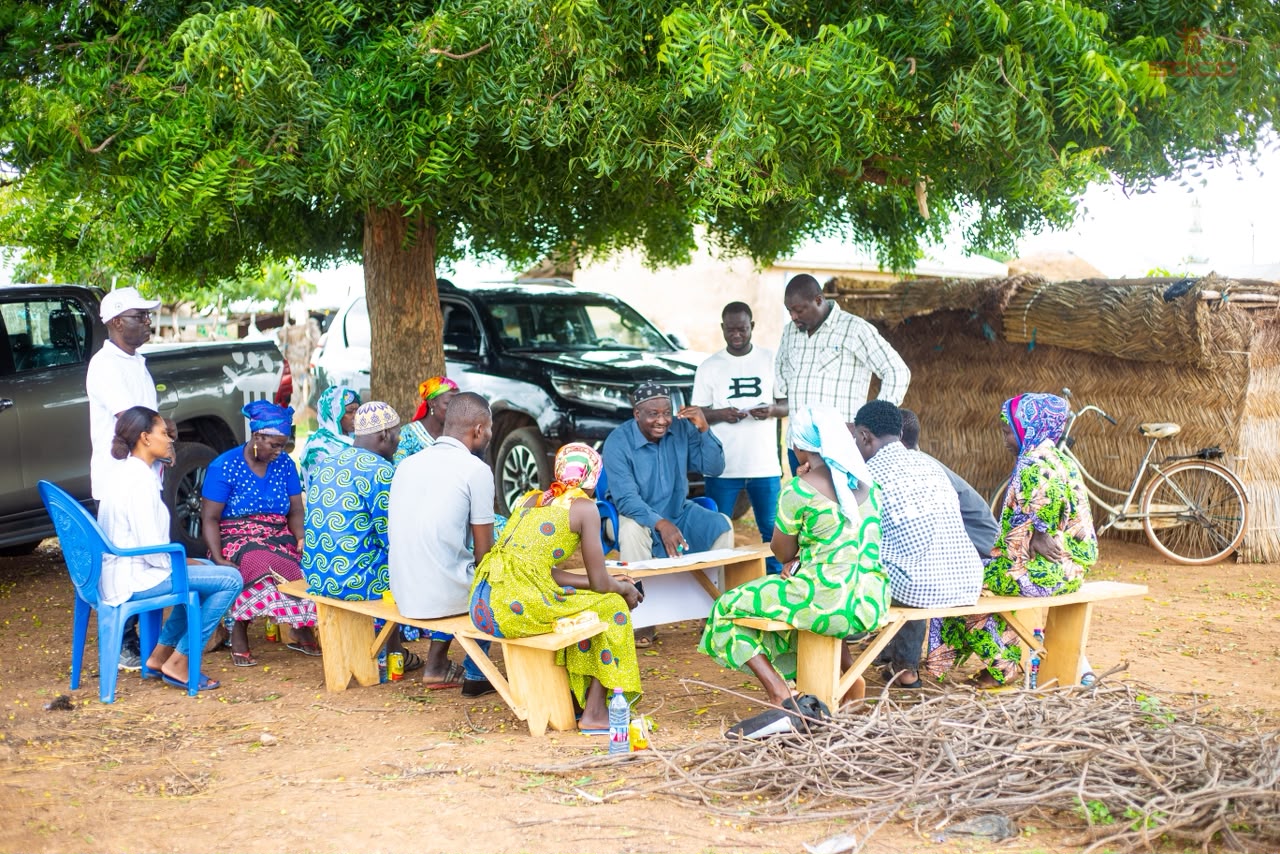
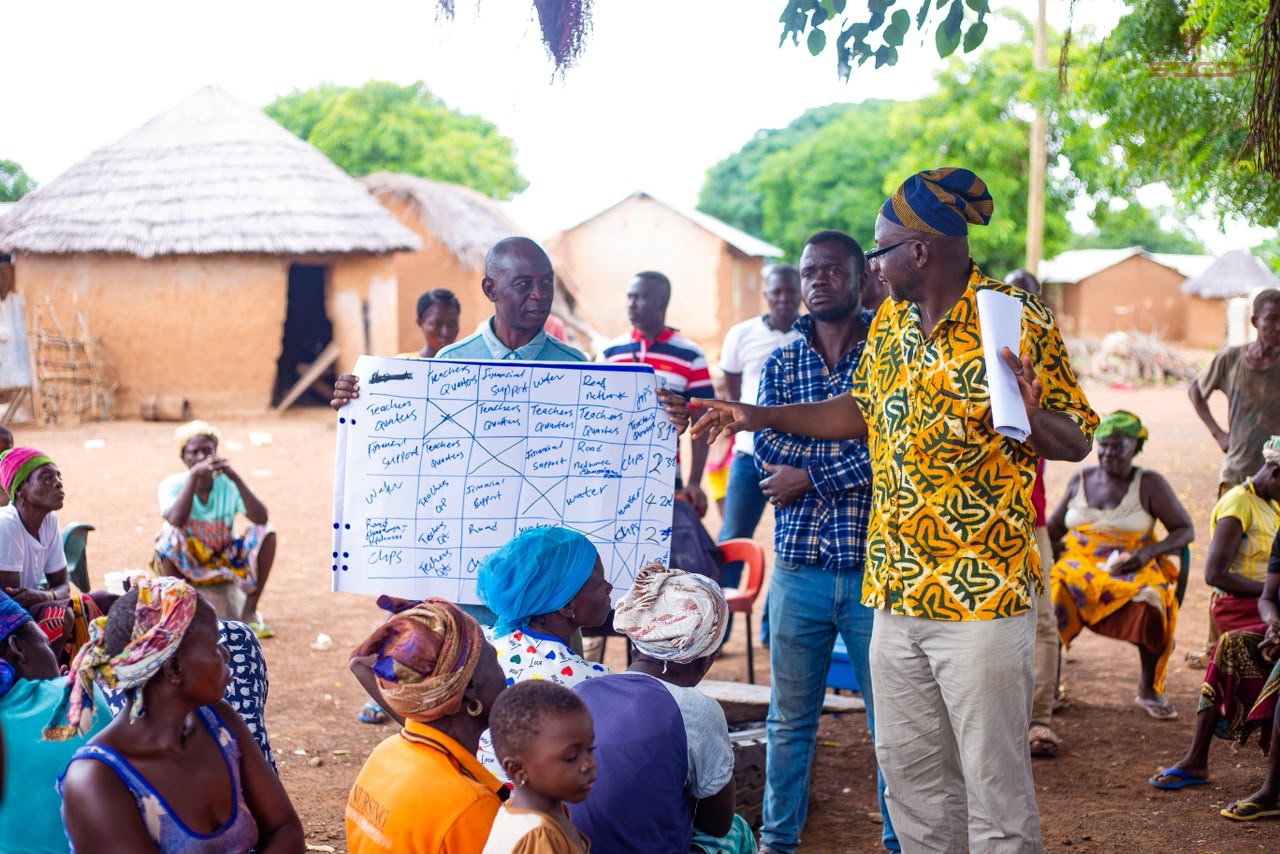
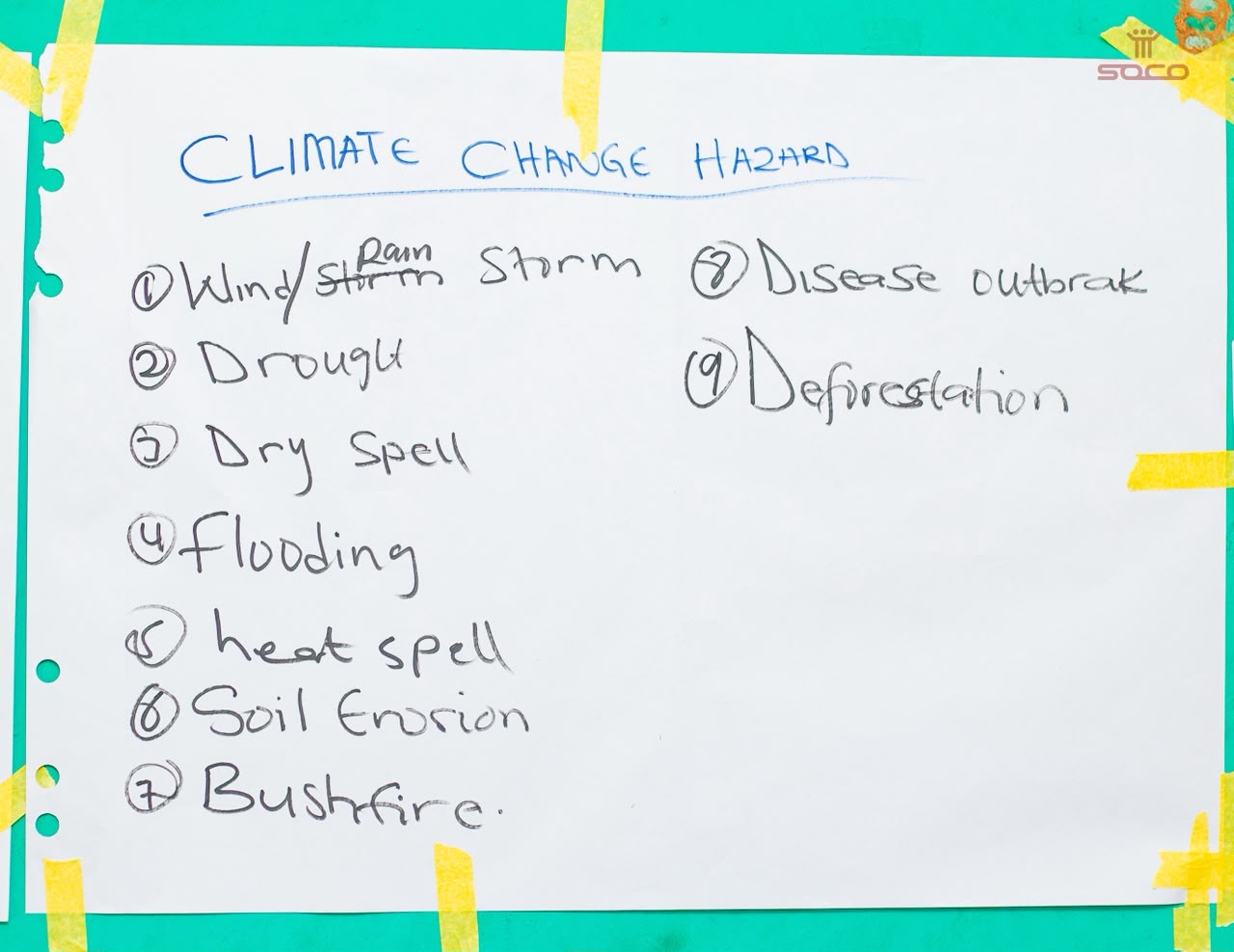
The pilot marks an important step in ensuring that climate adaptation is shaped not only by technical expertise, but also by the lived experiences of the people most affected by climate change. Unlike conventional planning approaches, the LLA pilot begins by listening to communities. It creates space for residents to identify the climate risks they face, discuss how those risks affect their livelihoods and agree on practical adaptation priorities alongside other development needs.
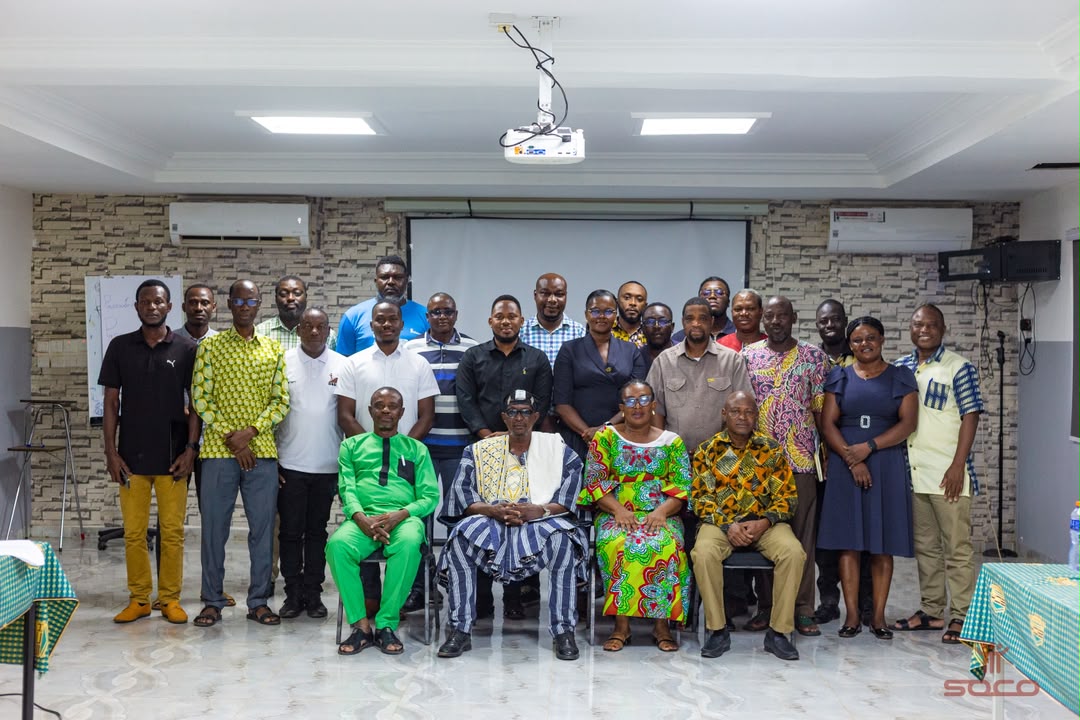
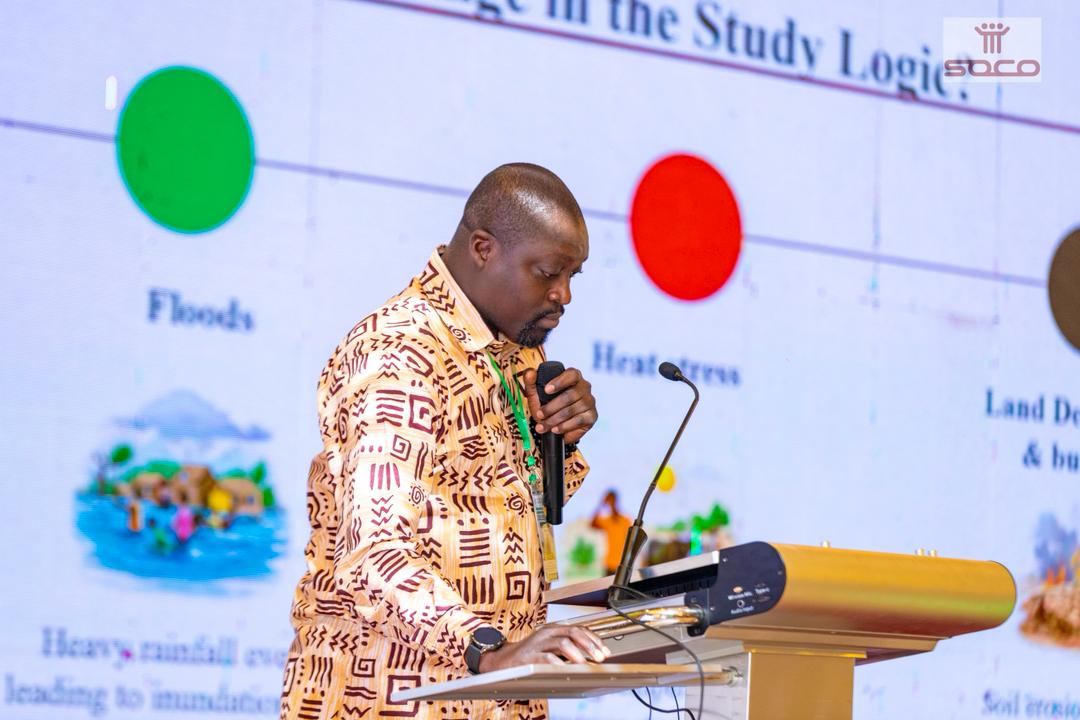
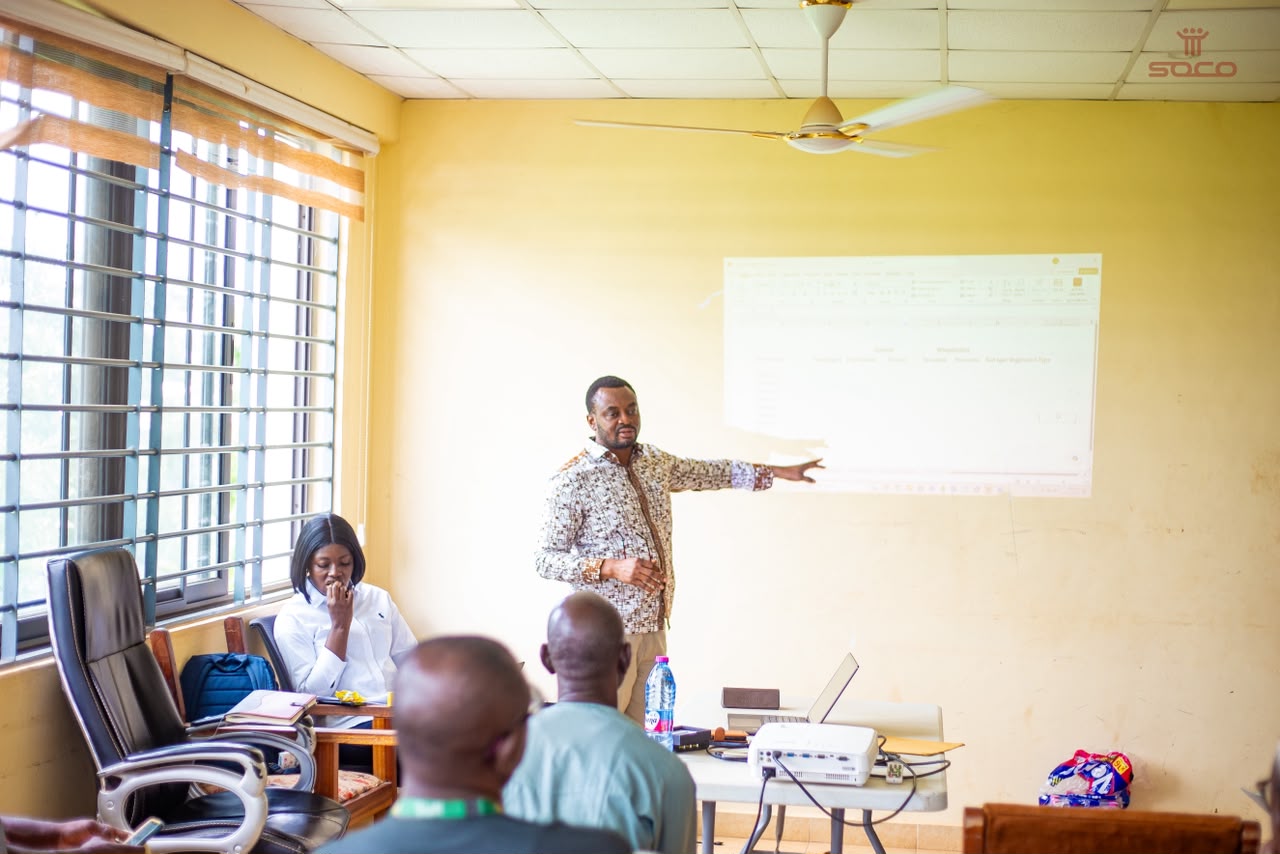
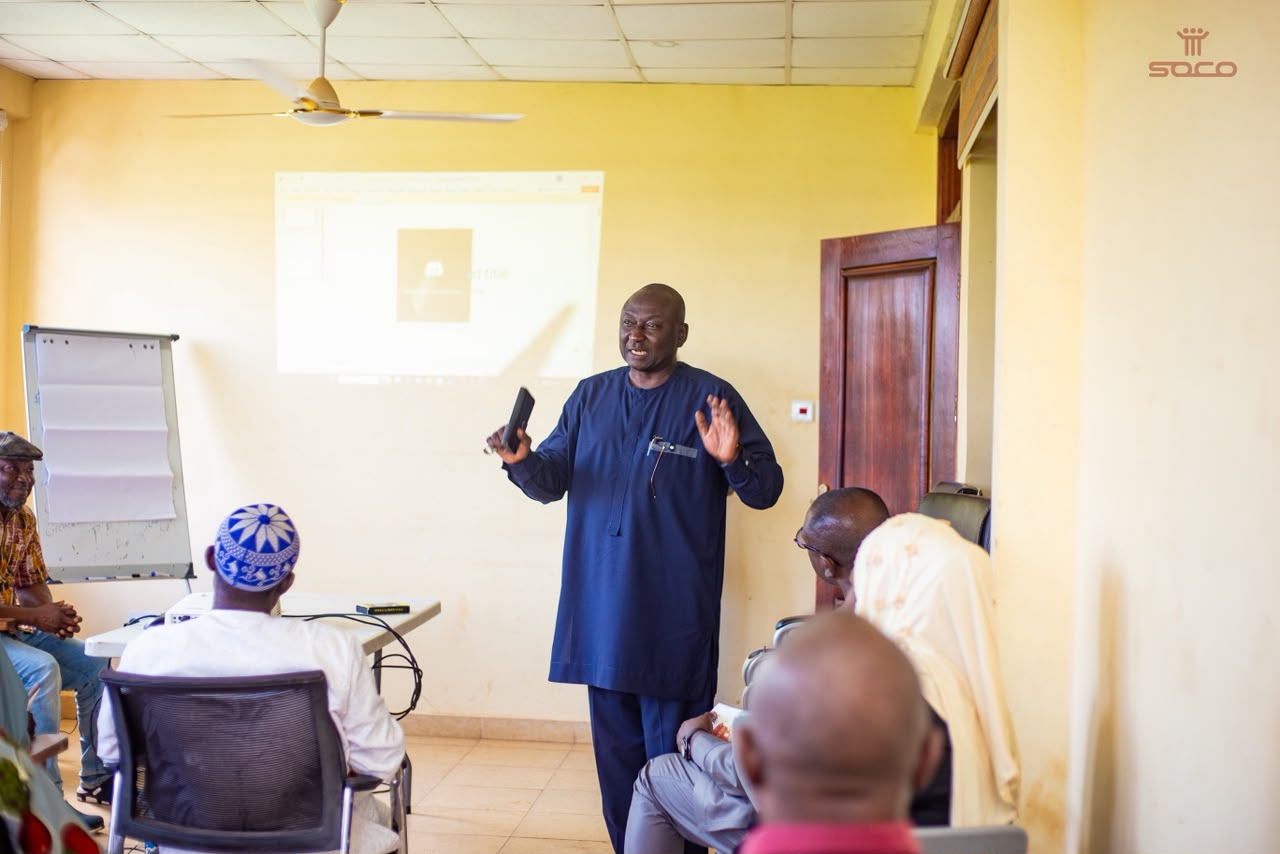
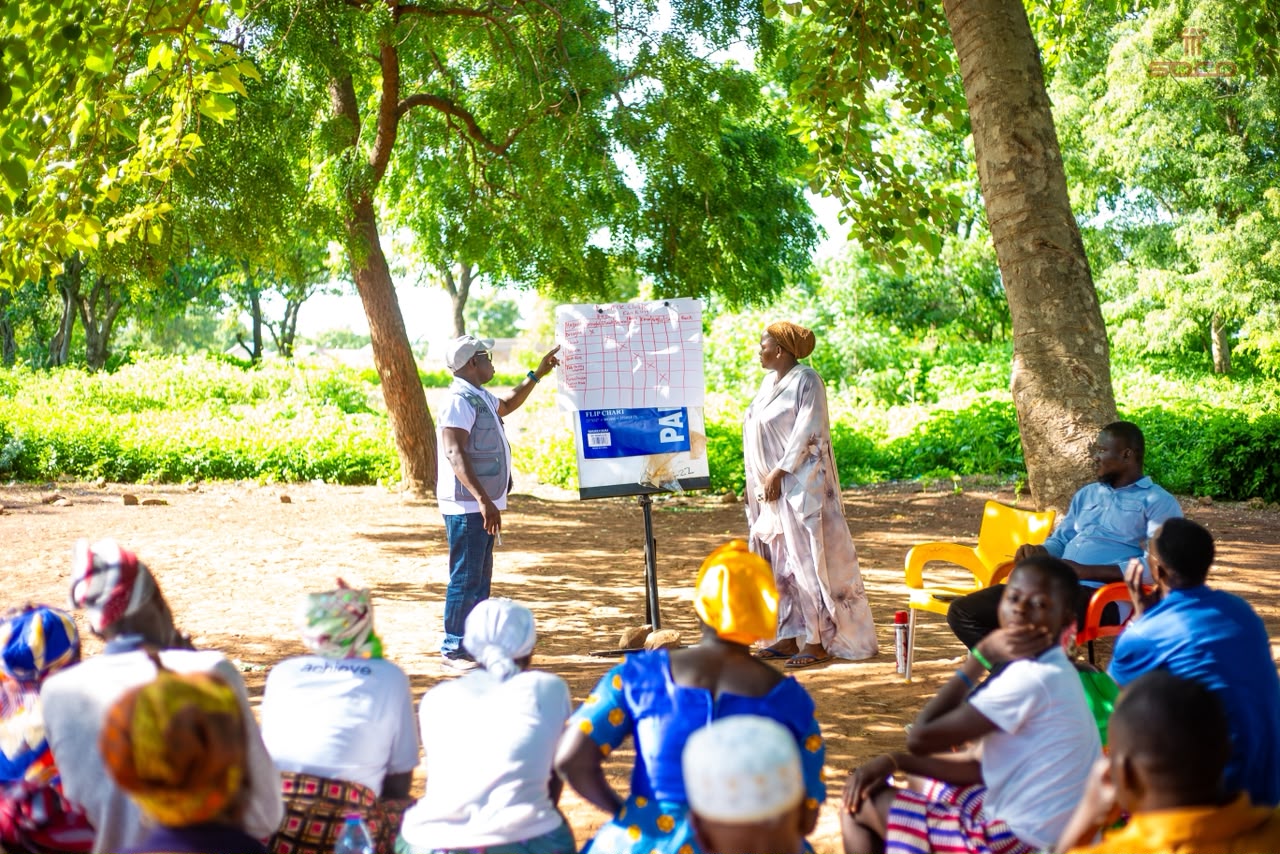
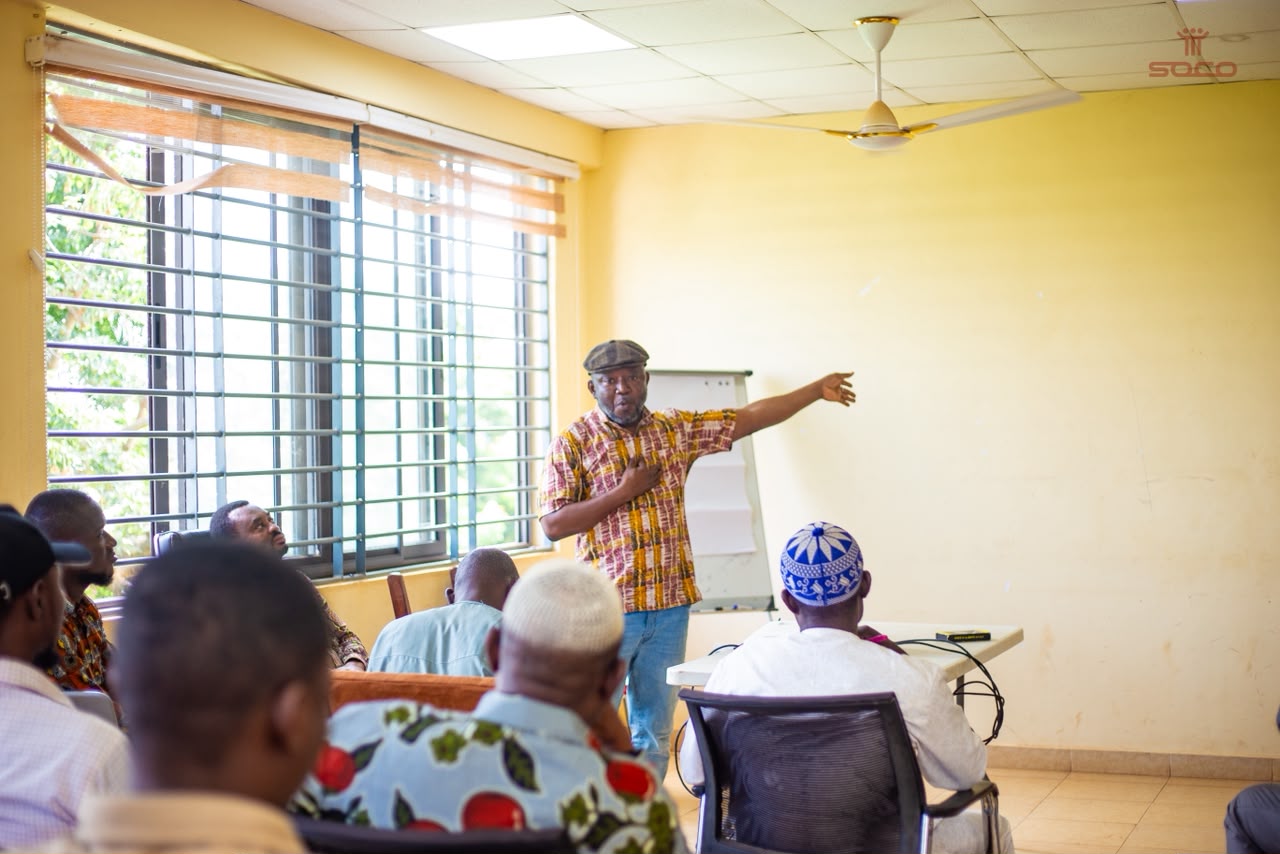
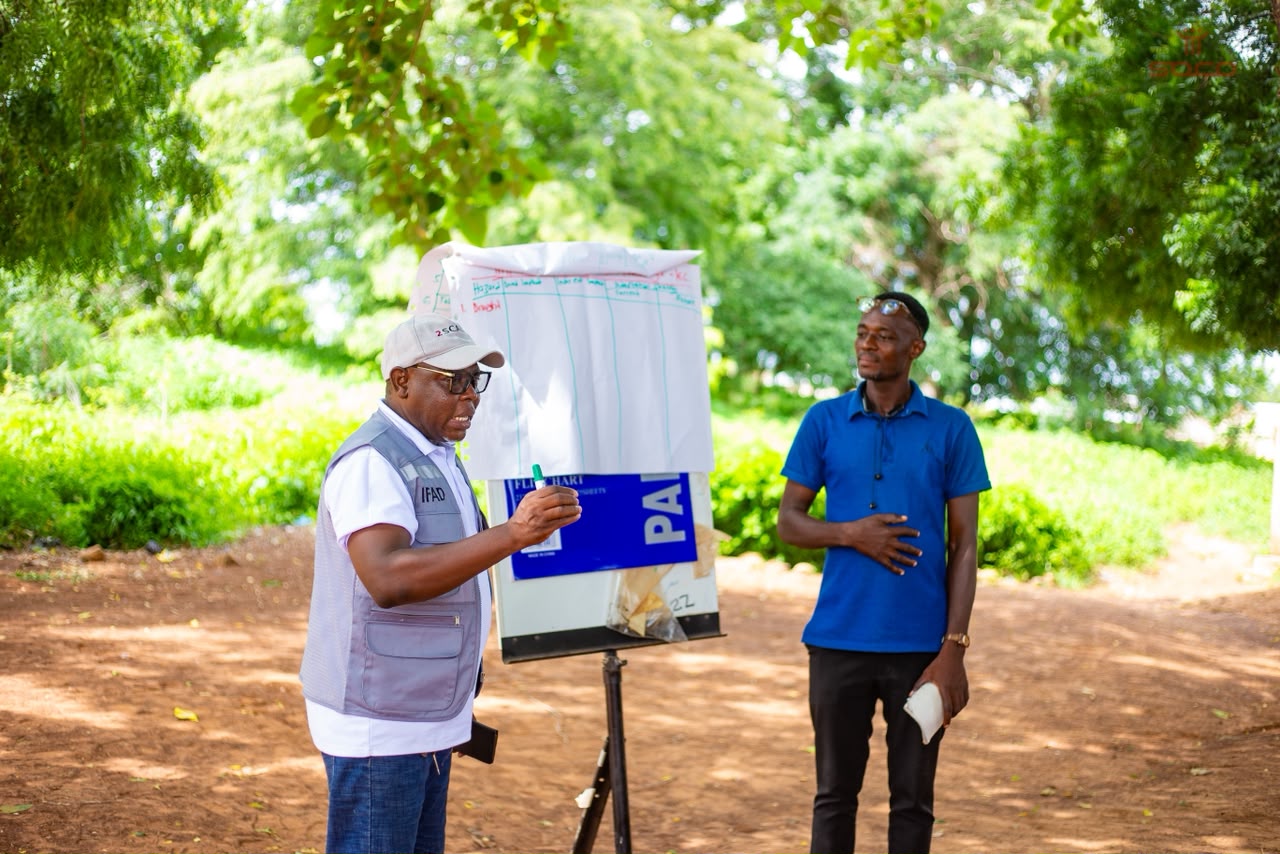
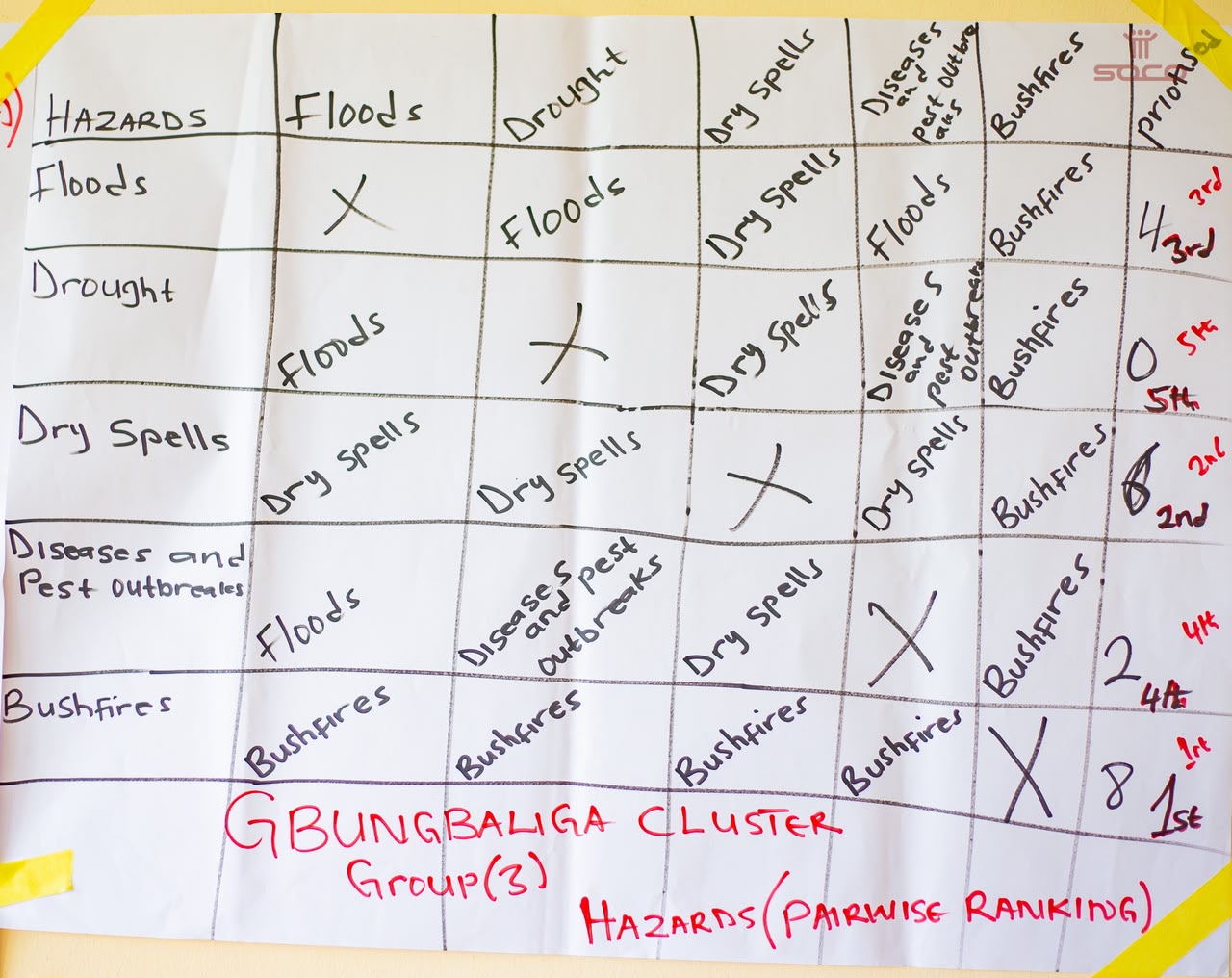
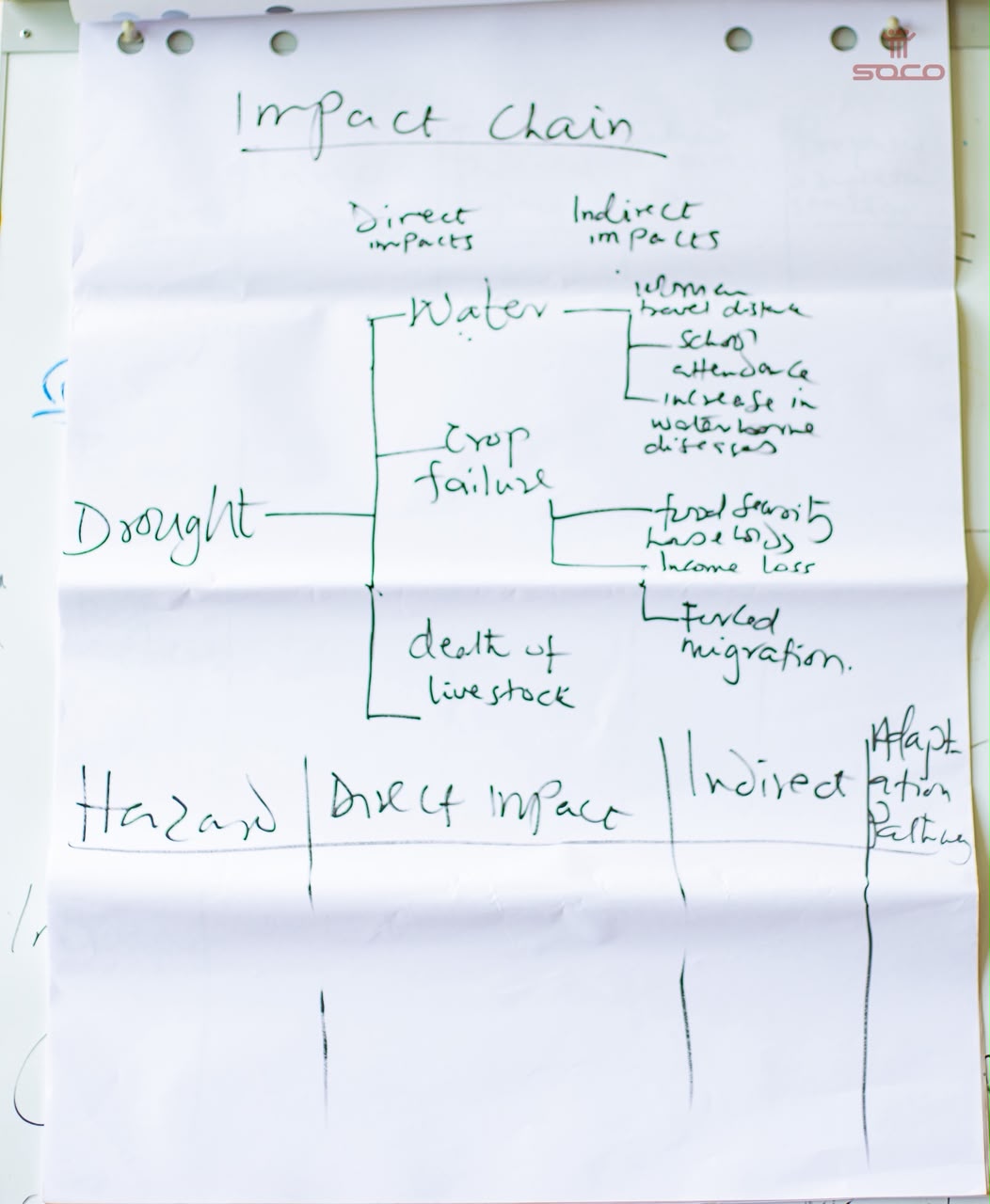
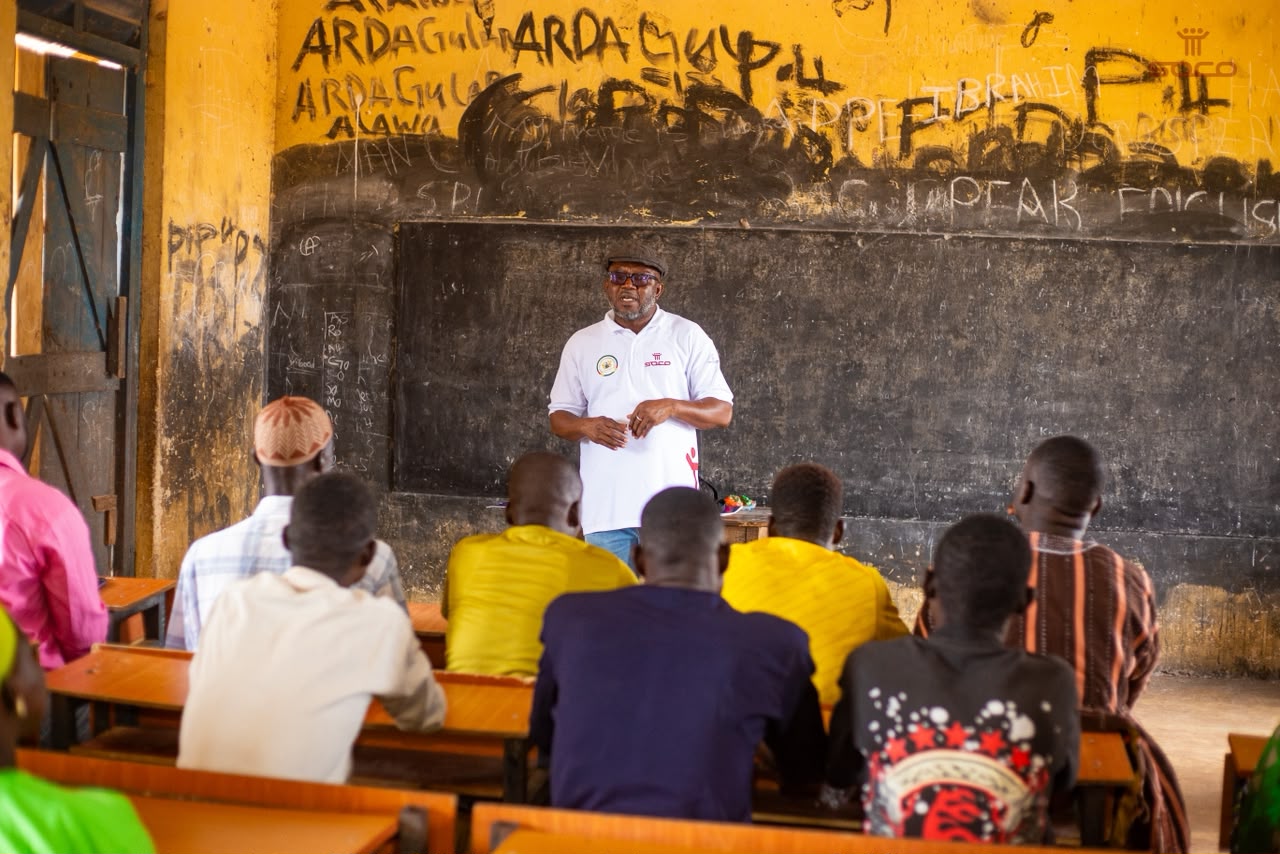
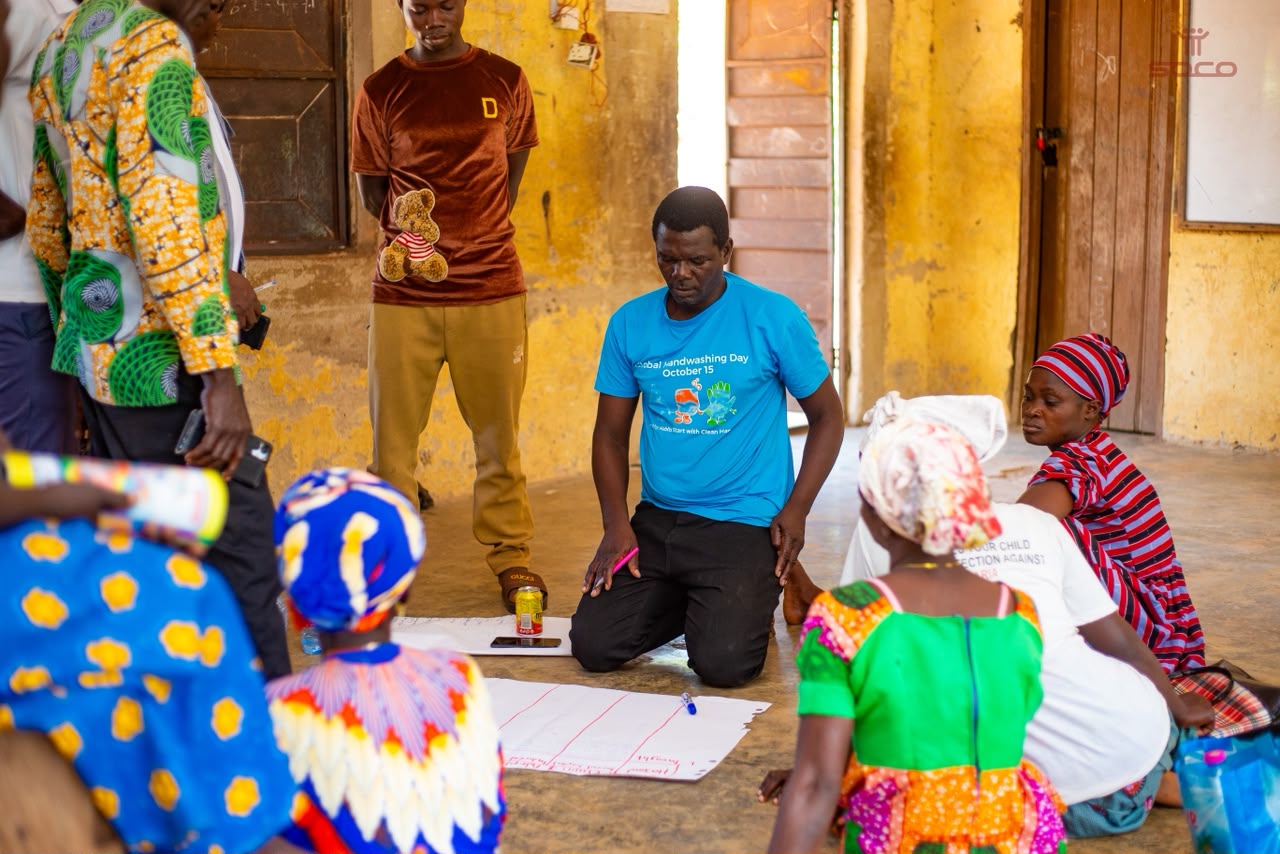
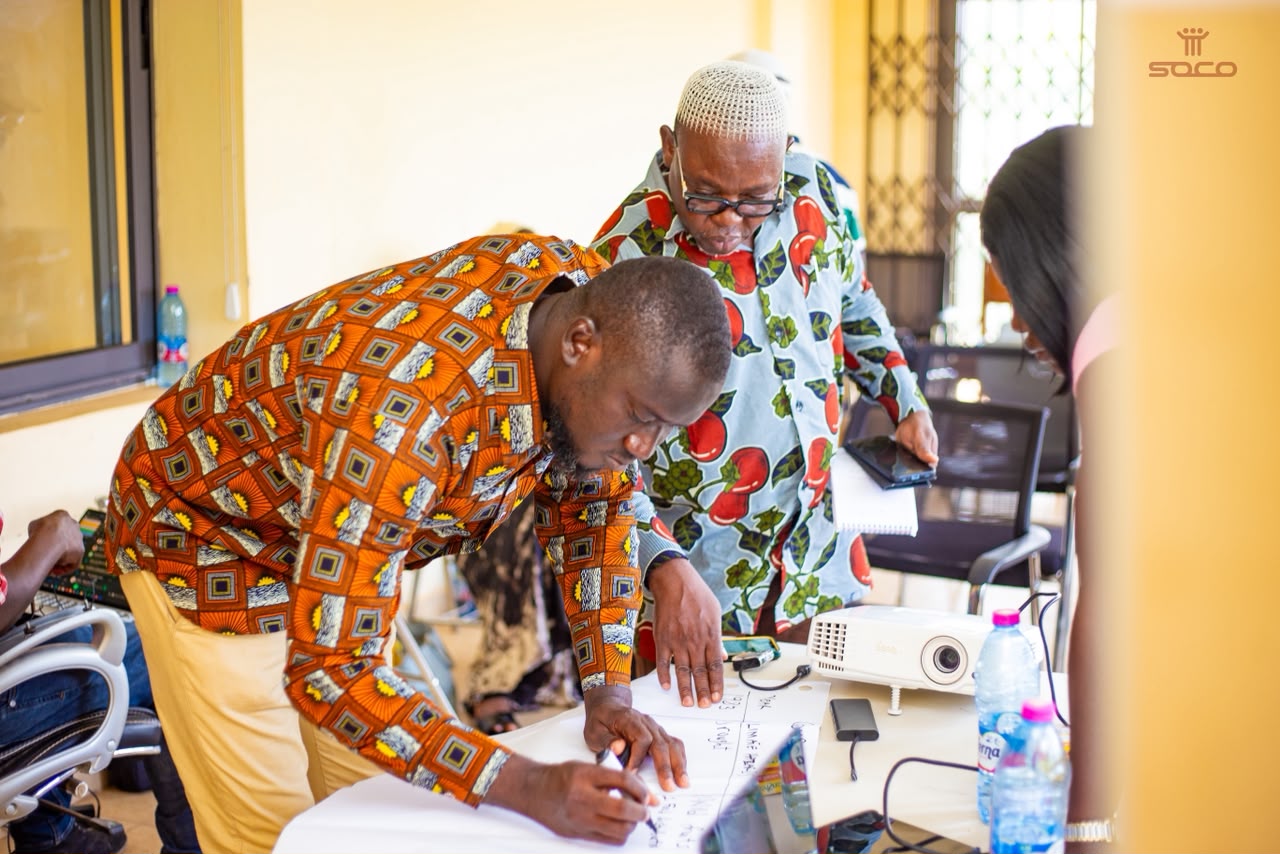
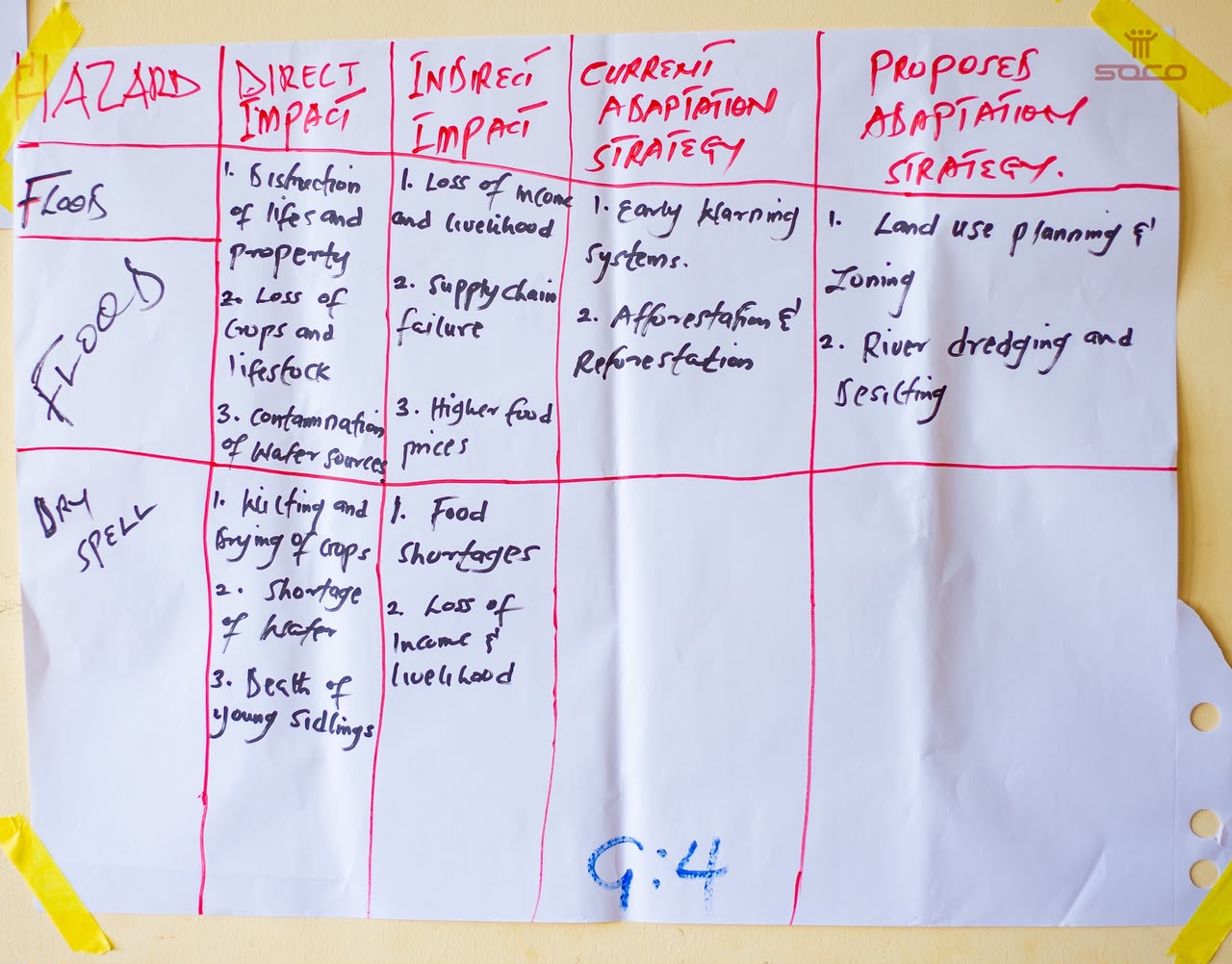
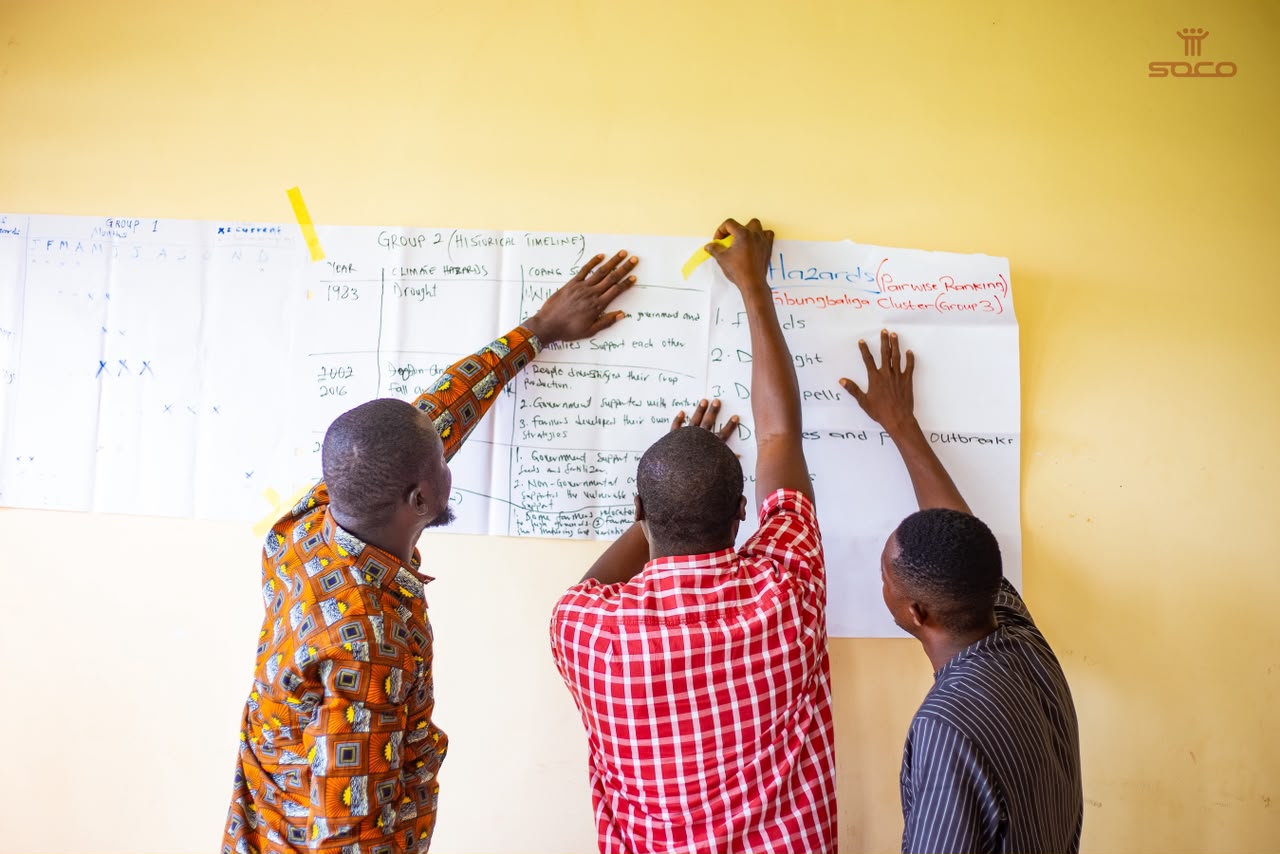
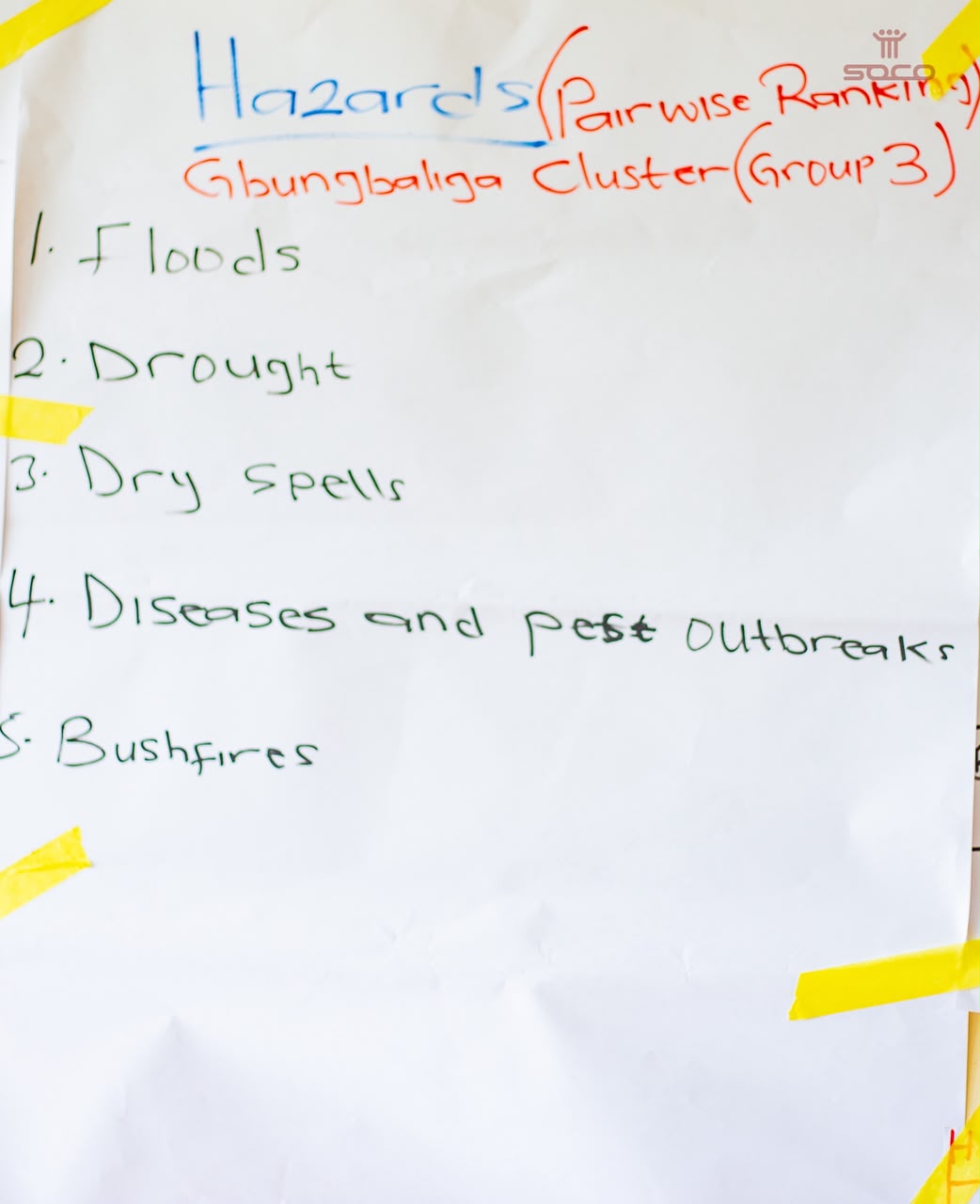
To support this process, staff of the Yendi Municipal Assembly received training in five Participatory Climate Risk Assessment (PCRA) tools: Seasonal Calendar, Historical Timeline, Impact Chains, Hazard Ranking and Adaptation Pathways. These tools are helping communities better understand how climate hazards have changed over time, the risks they face today and the actions needed to strengthen resilience.
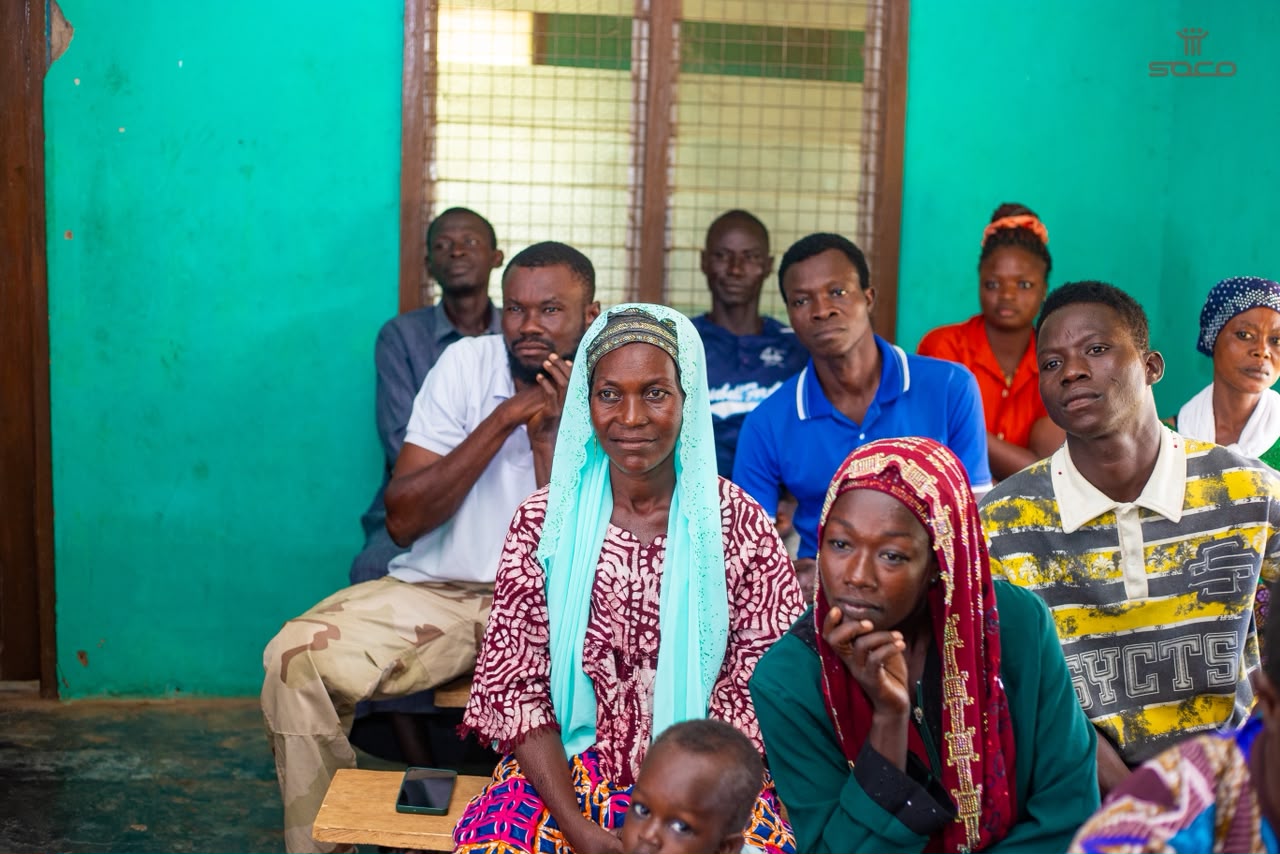
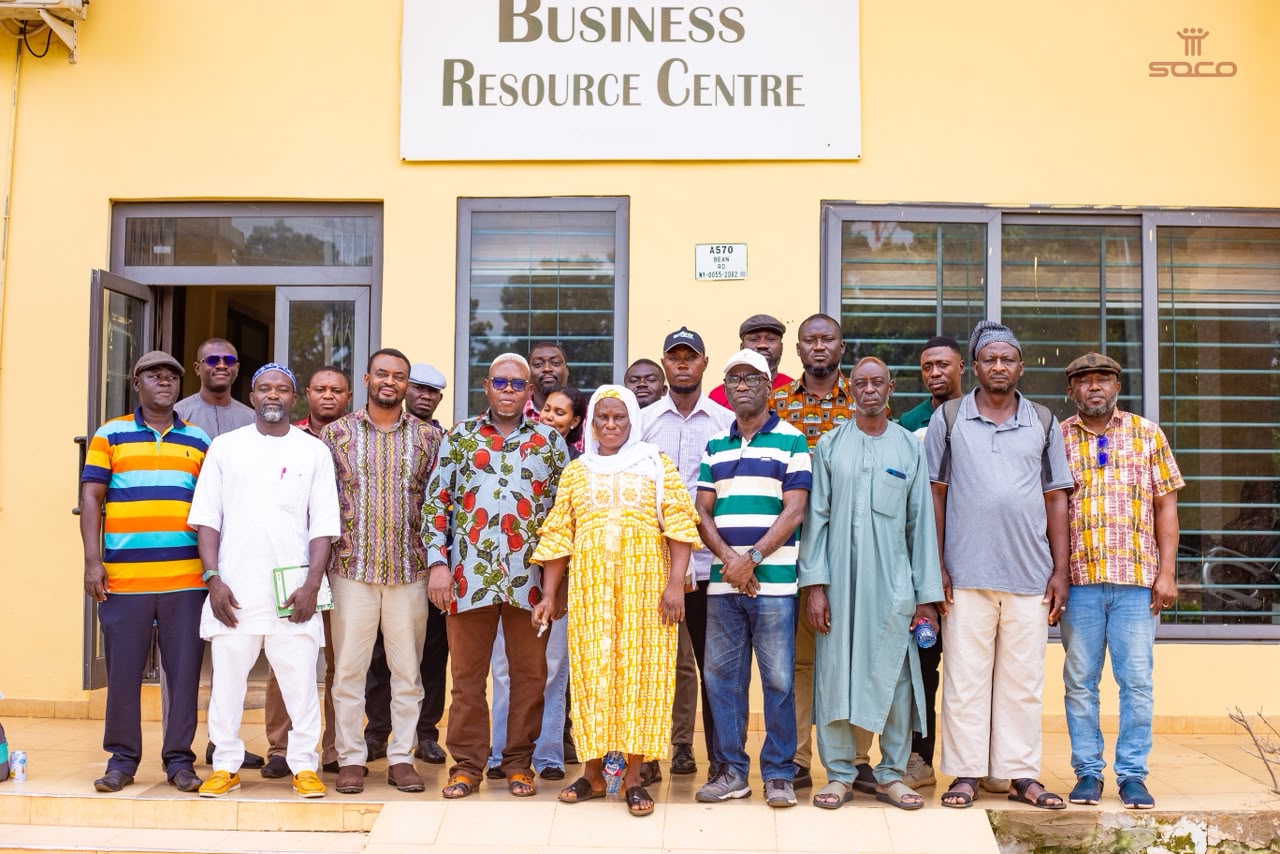
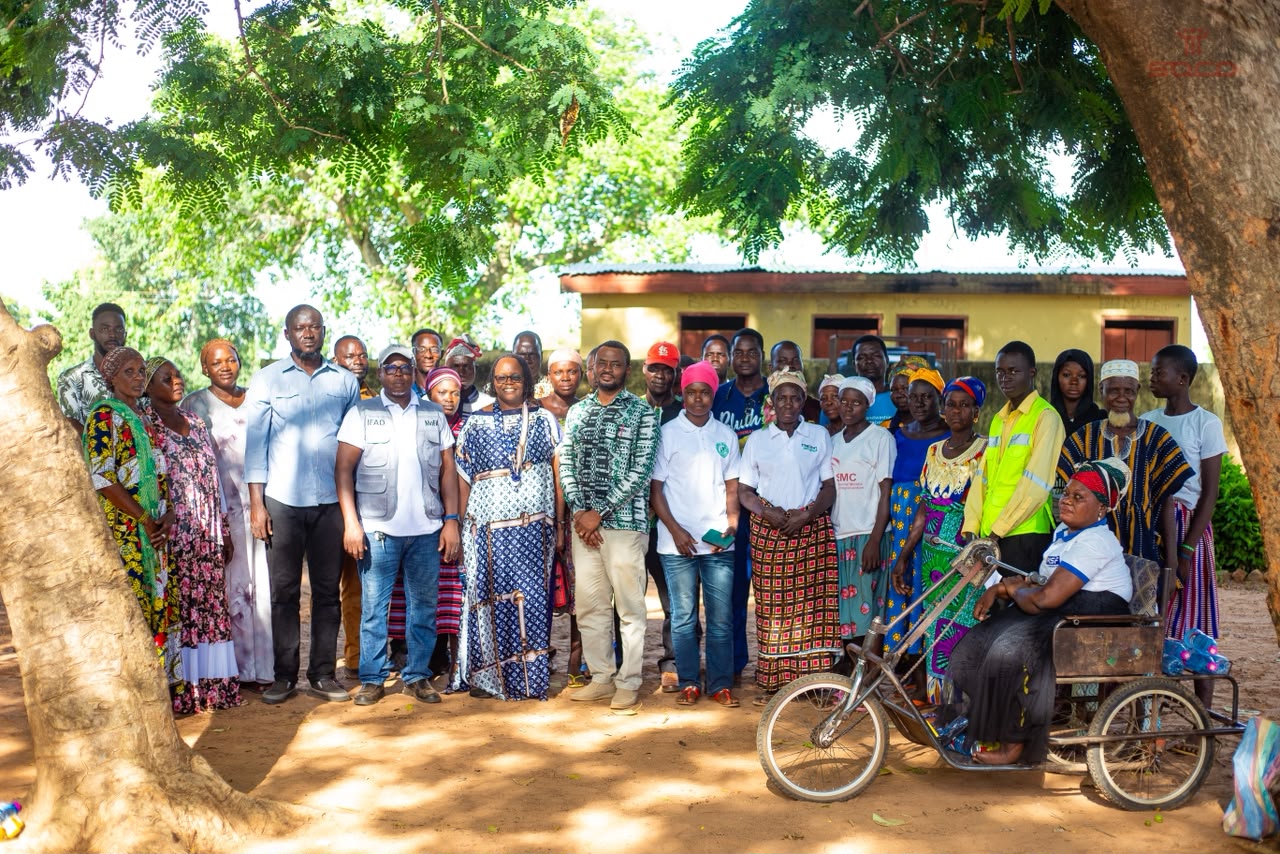
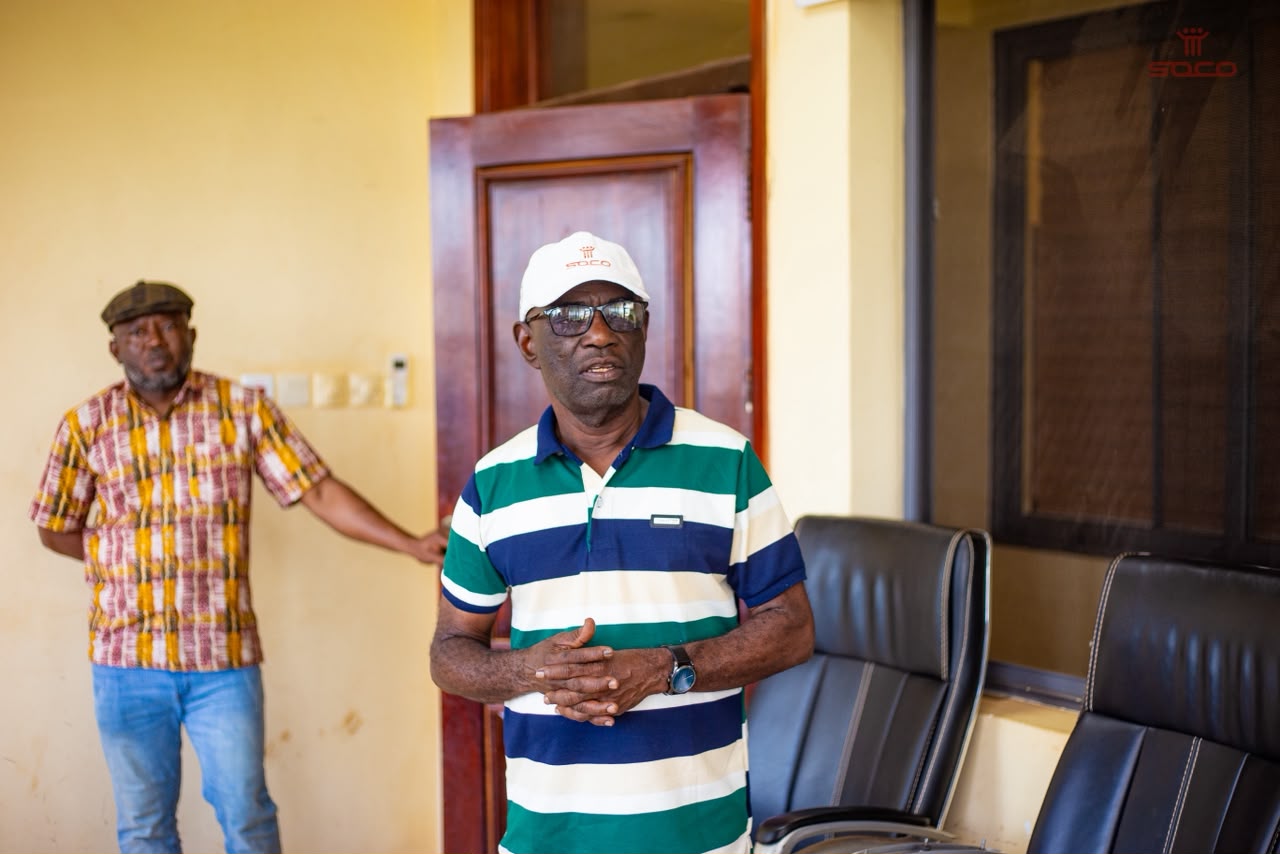
The pilot is currently being implemented across four community clusters in Yendi Municipality: Kulkpenduli, Malizeri, Gbungbaliga and Adibo. As part of the process, Community Facilitators, Community Project Implementation Committee (CPIC) members and other community stakeholders are participating in sensitisation sessions and planning discussions that encourage inclusive participation and local ownership. These engagements are helping communities identify both their climate adaptation priorities and broader socio-economic development needs.
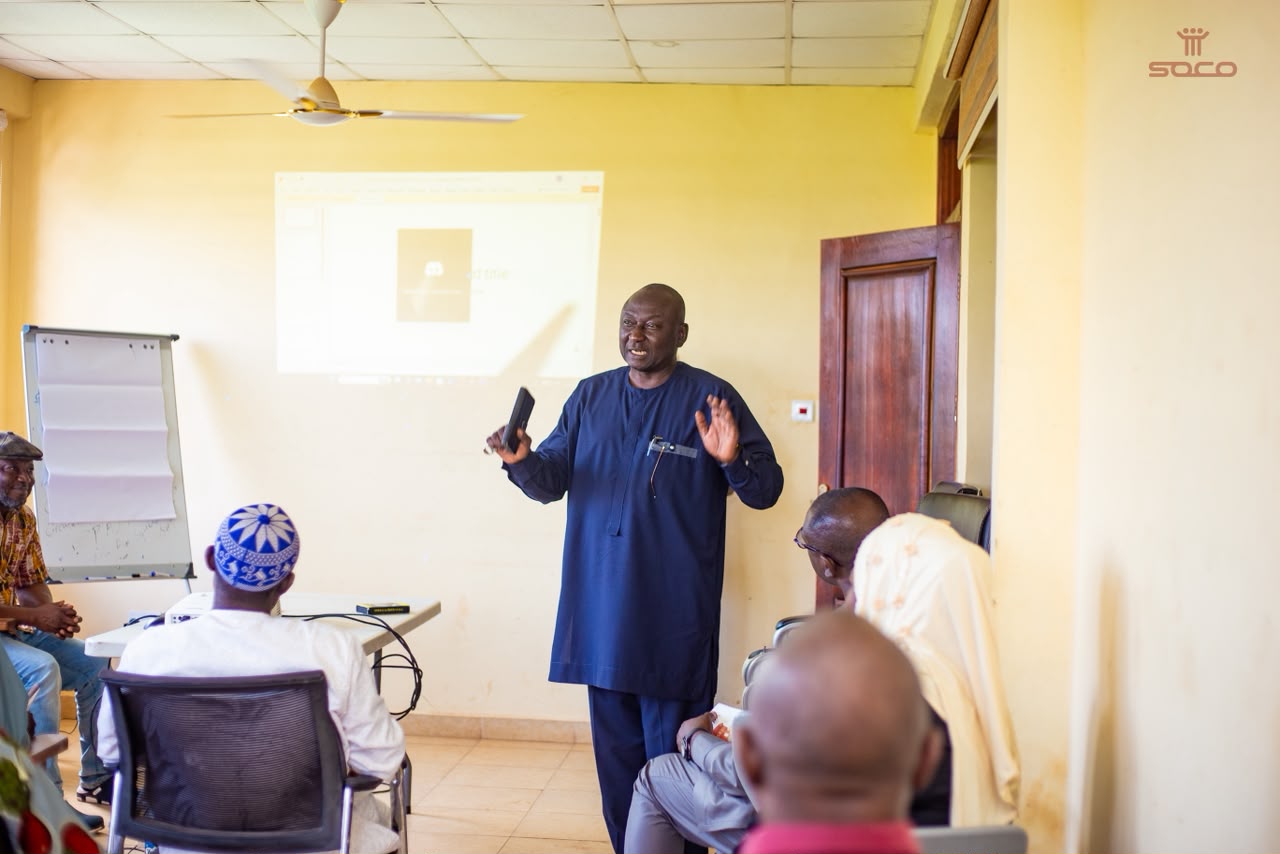
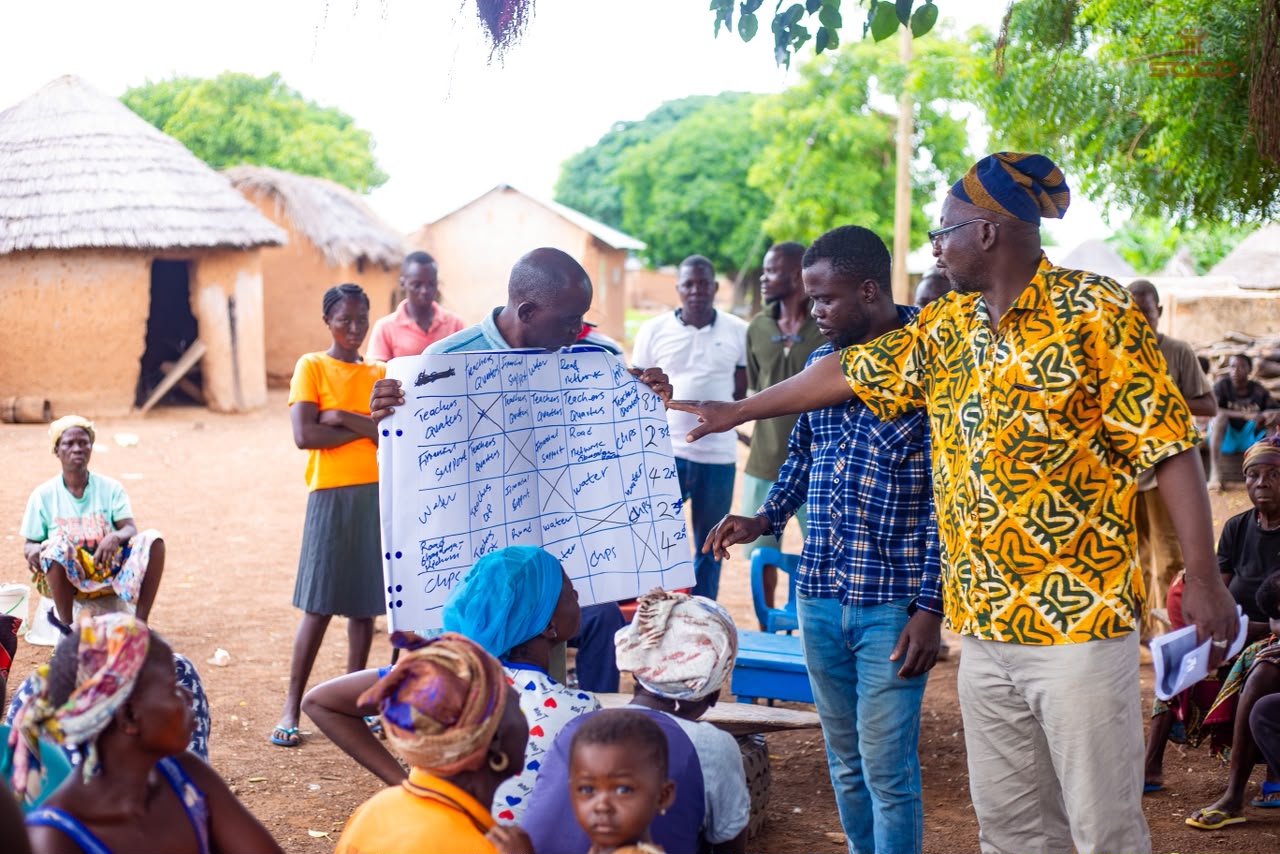
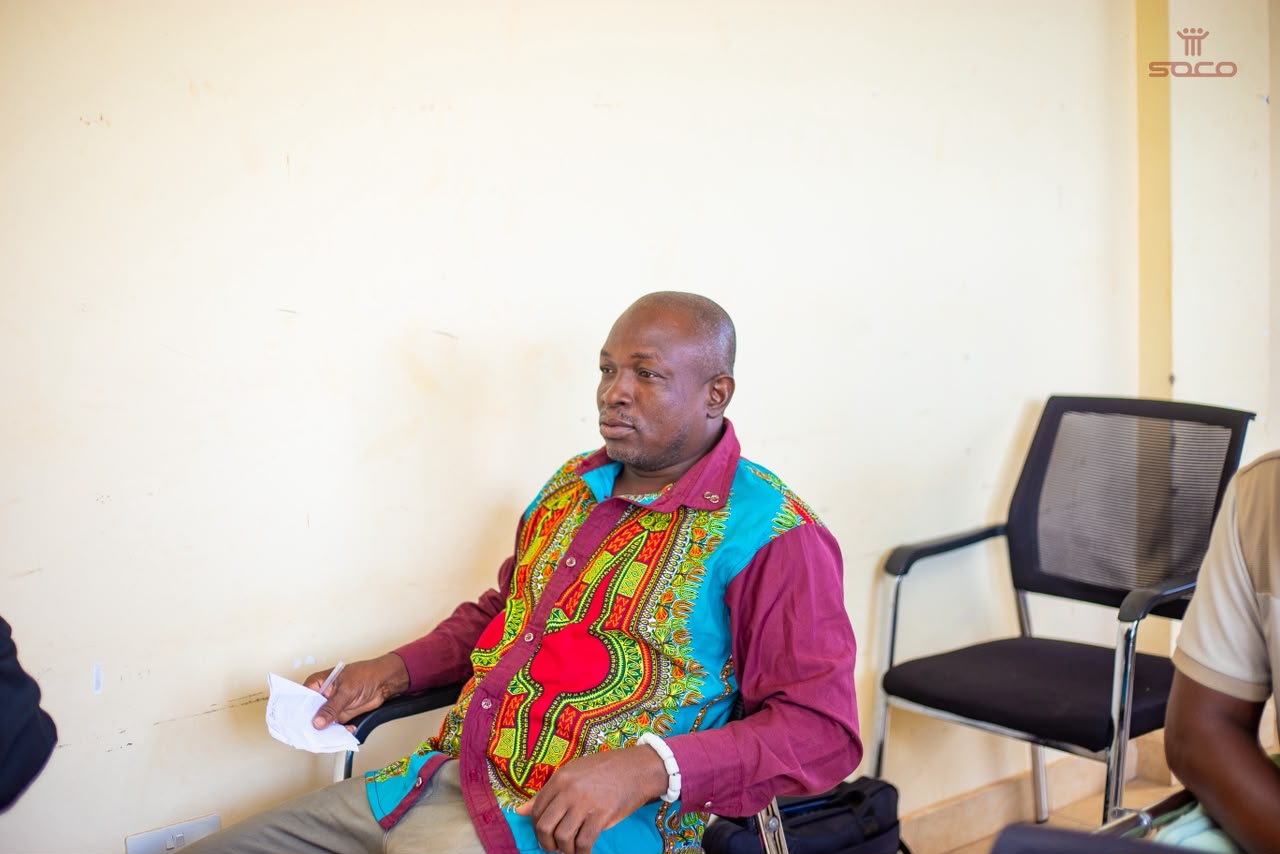
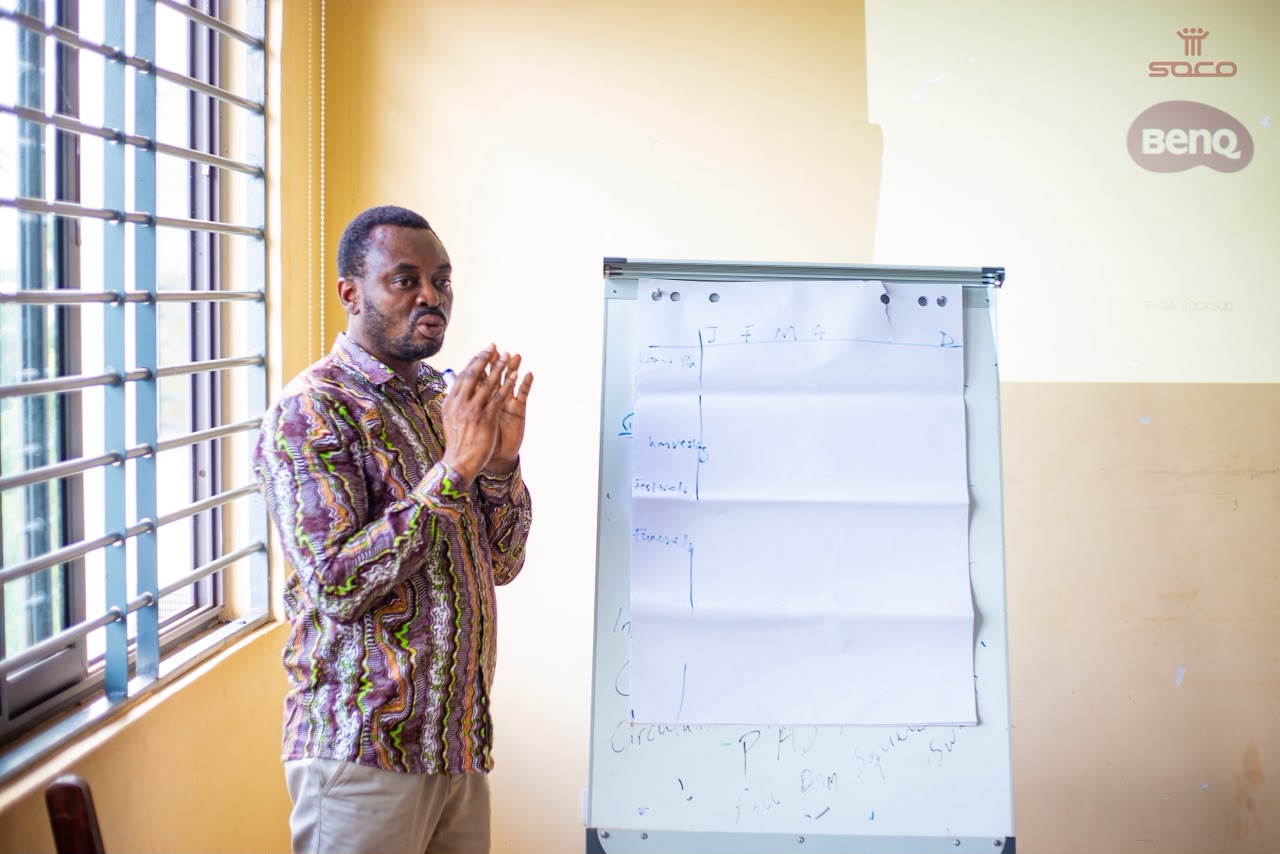
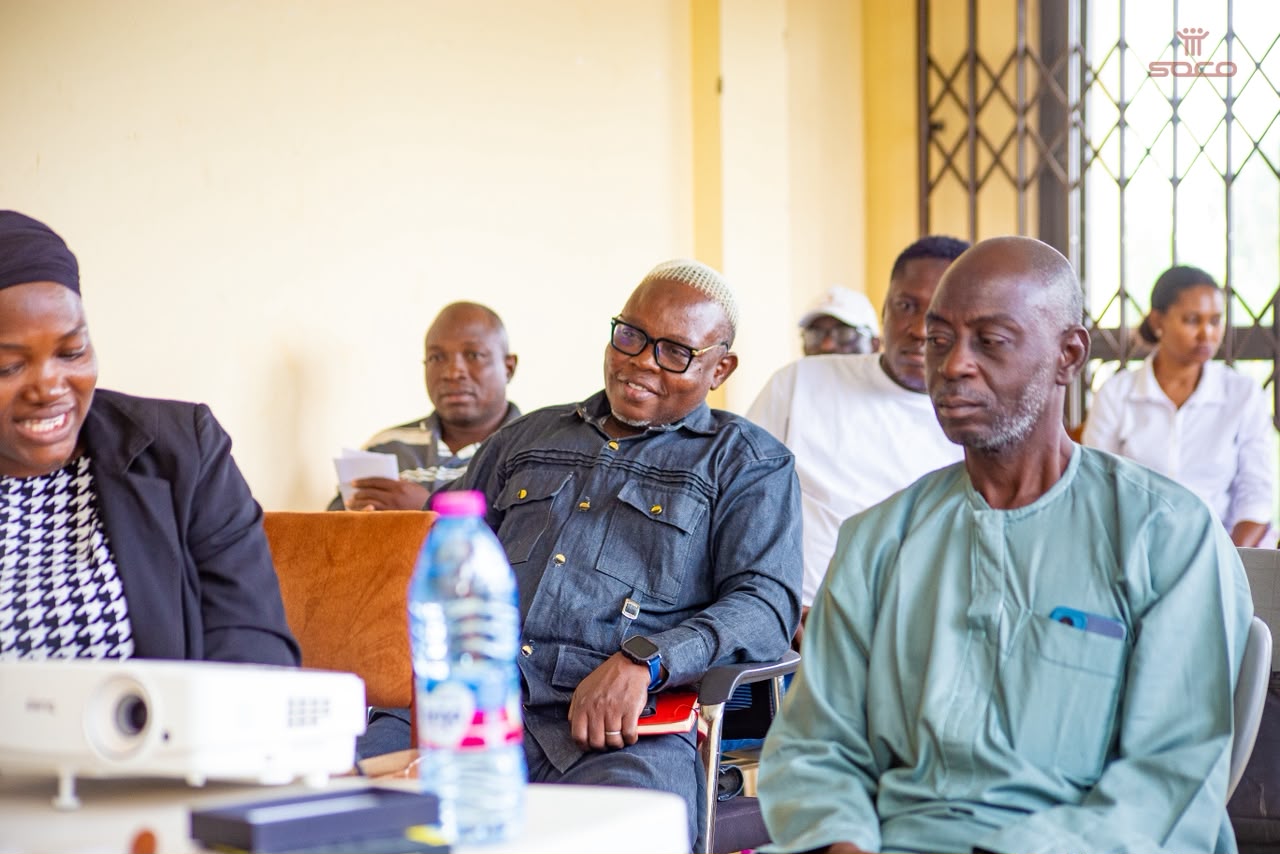
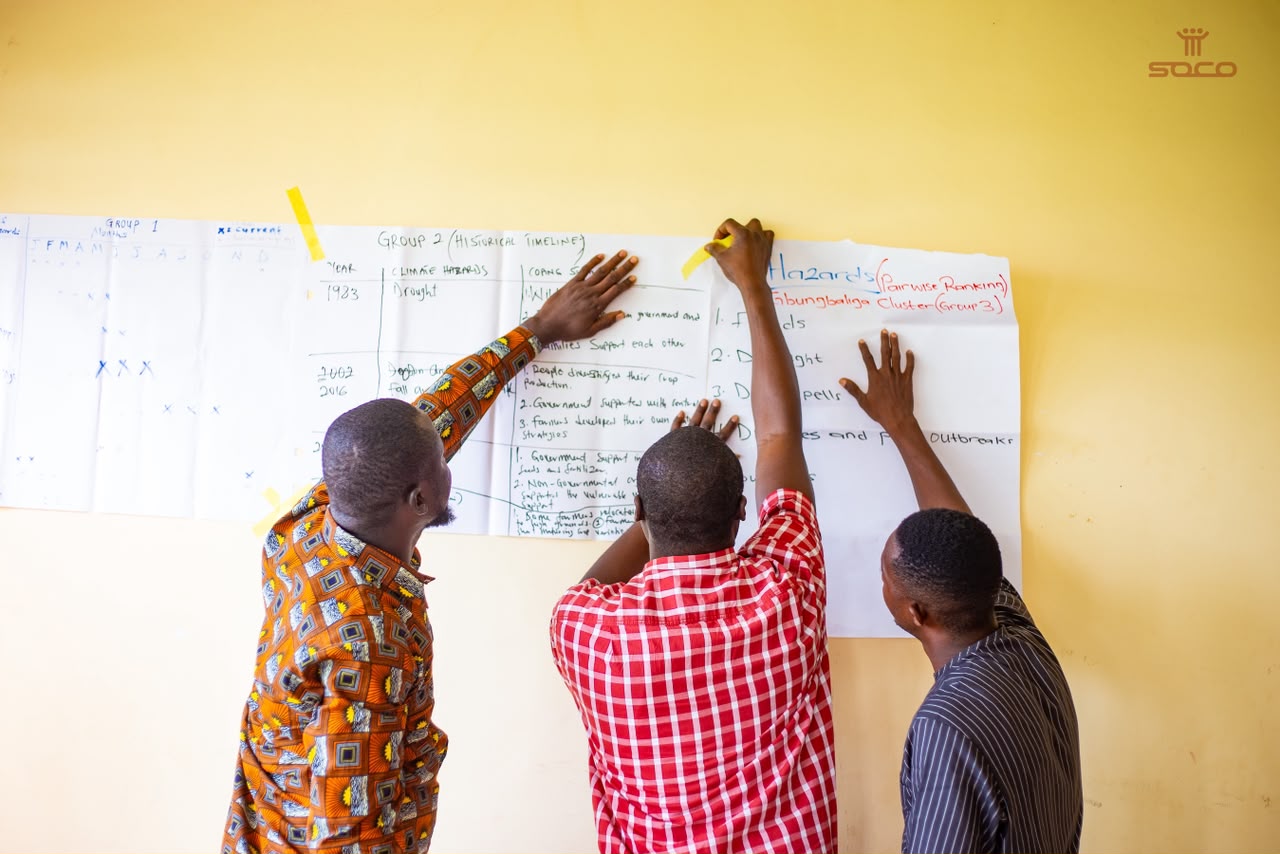
The outcome will be an enhanced Community Action Plan, known as CAP+, which incorporates locally identified climate adaptation measures alongside other community development priorities. This integrated approach is expected to strengthen local planning by ensuring that future investments respond not only to existing development needs but also to the realities of a changing climate.
For many communities, this represents an opportunity to contribute directly to decisions that affect their future. It also reinforces the principle that sustainable development is most effective when communities are active participants in shaping solutions rather than passive recipients of development interventions.
Beyond Yendi, the pilot also serves a broader purpose. It provides an opportunity for the SOCO Project and its partners to test, refine and strengthen the LLA approach before its proposed expansion to the remaining SOCO beneficiary districts with support from the Nordic Development Fund. Lessons from the pilot will help improve implementation processes, strengthen community engagement and ensure that future climate adaptation interventions are informed by practical experience.
This approach reflects a growing recognition that resilience is built from the ground up. While policies, financing and technical expertise remain important, local knowledge is equally critical in helping communities prepare for and respond to climate-related challenges.
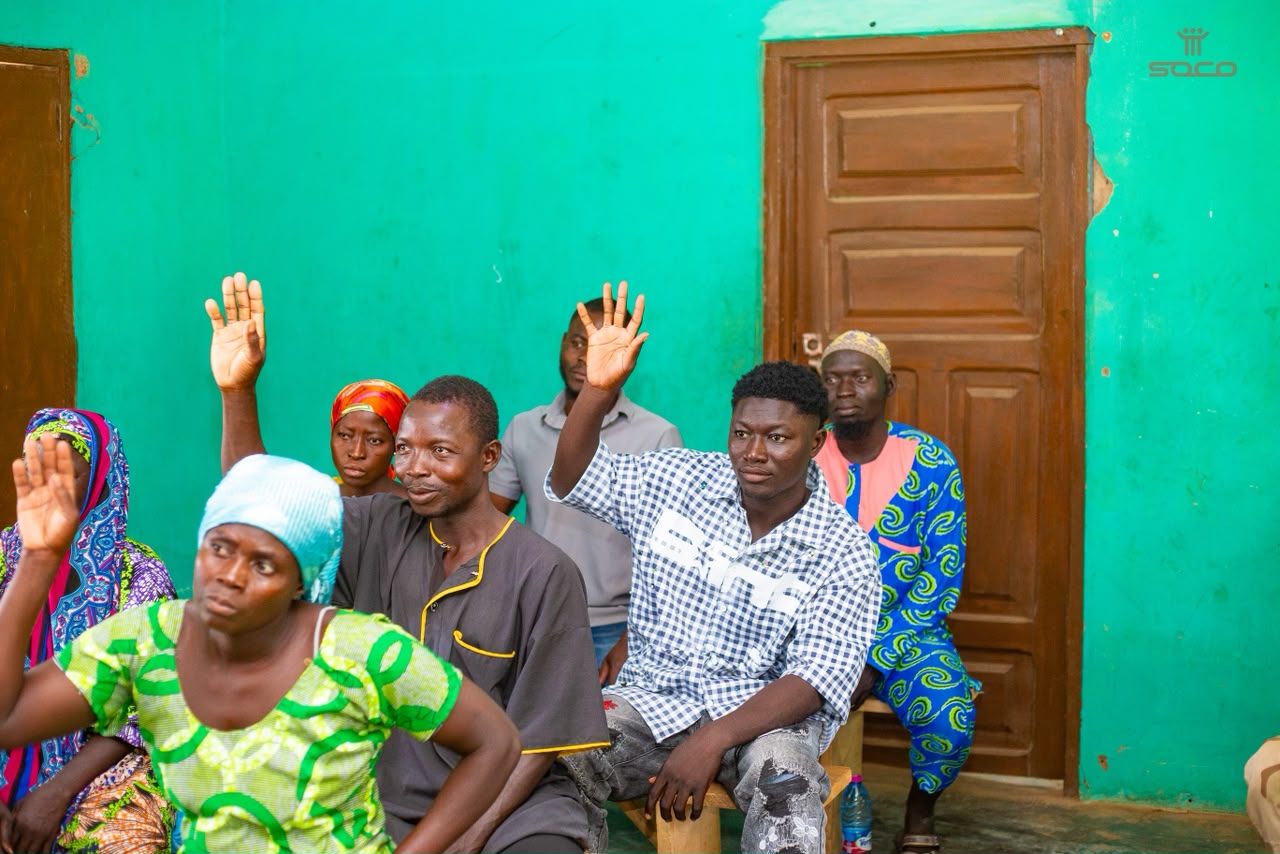
The pilot in Yendi is also a learning process. It will show how communities understand climate risks, which solutions they consider realistic, and how those priorities can be reflected in local development plans. What is learned in Kulkpenduli, Malizeri, Gbungbaliga and Adibo will matter beyond Yendi. Those lessons will help shape how the LLA approach is refined and, subject to successful implementation, expanded to other SOCO project beneficiary districts.