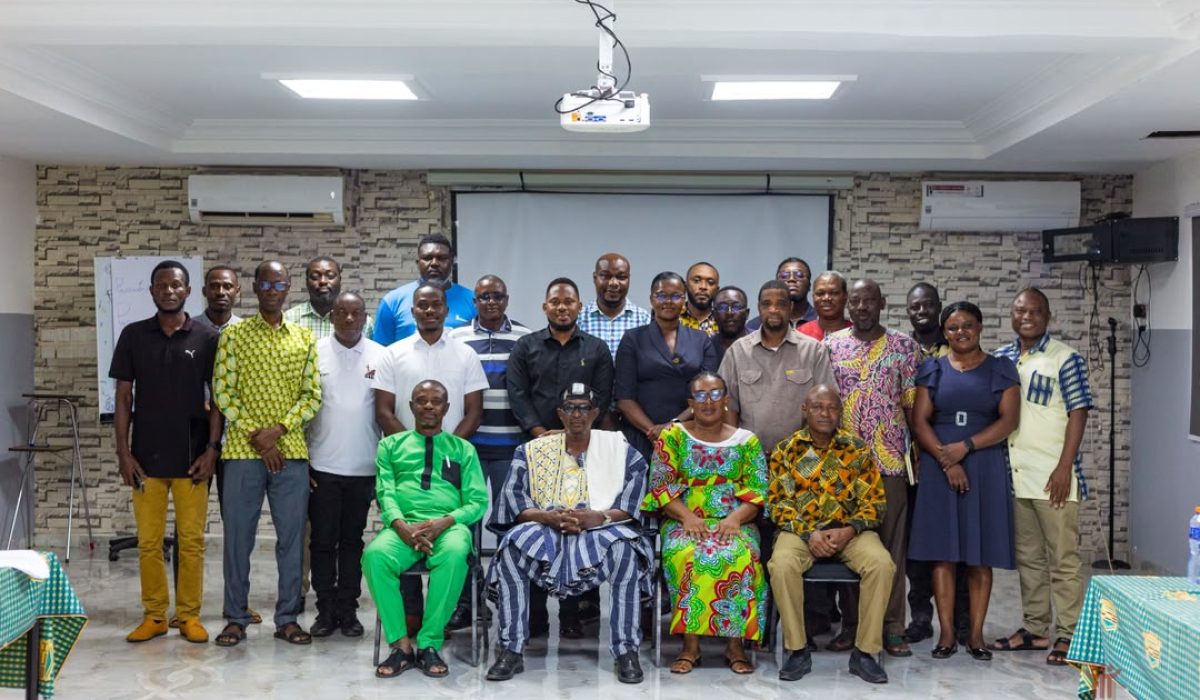
The SOCO Project brings together key stakeholders to co-create a Digital Coordination Platform for more coordinated and evidence-based development planning
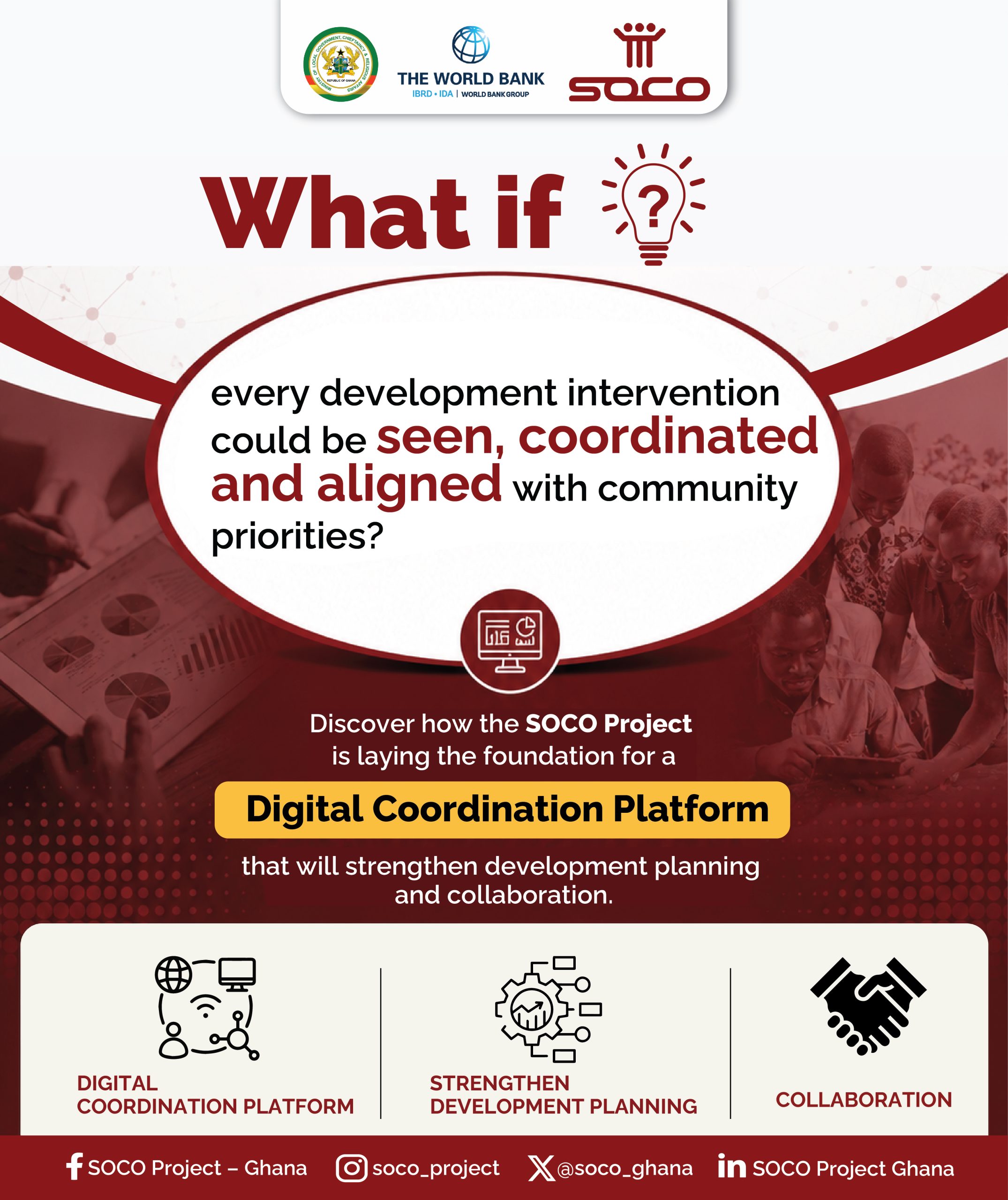
Successful digital transformation begins long before a system goes live. It starts with people; bringing together the institutions that will use it, building a shared understanding of its purpose and ensuring that it responds to the realities of those responsible for delivering development on the ground. This principle is guiding the Gulf of Guinea Northern Regions Social Cohesion (SOCO) Project as it prepares for the rollout of a Digital Coordination Platform (DCP), an initiative that seeks to strengthen collaboration among institutions implementing development interventions across Northern Ghana.
The platform is expected to improve how information is shared, support evidence-based planning, and provide a clearer picture of development investments across beneficiary communities. But before any digital system can deliver these benefits, the people who will use it must understand its purpose, contribute to its design and build confidence in how it will support their work.
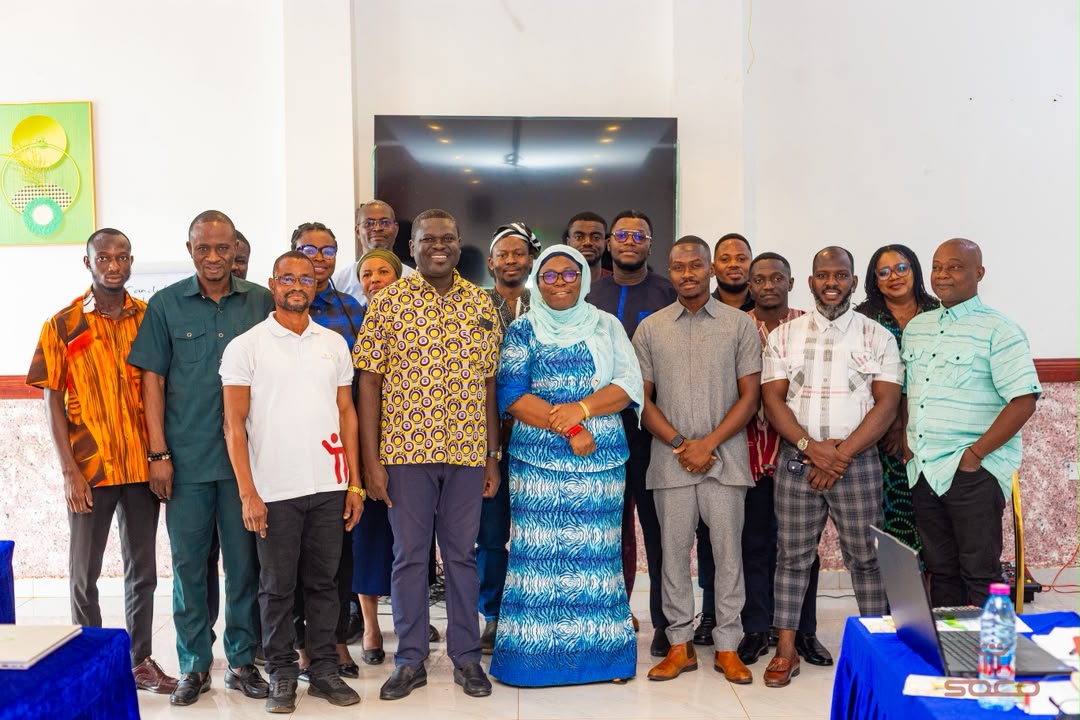
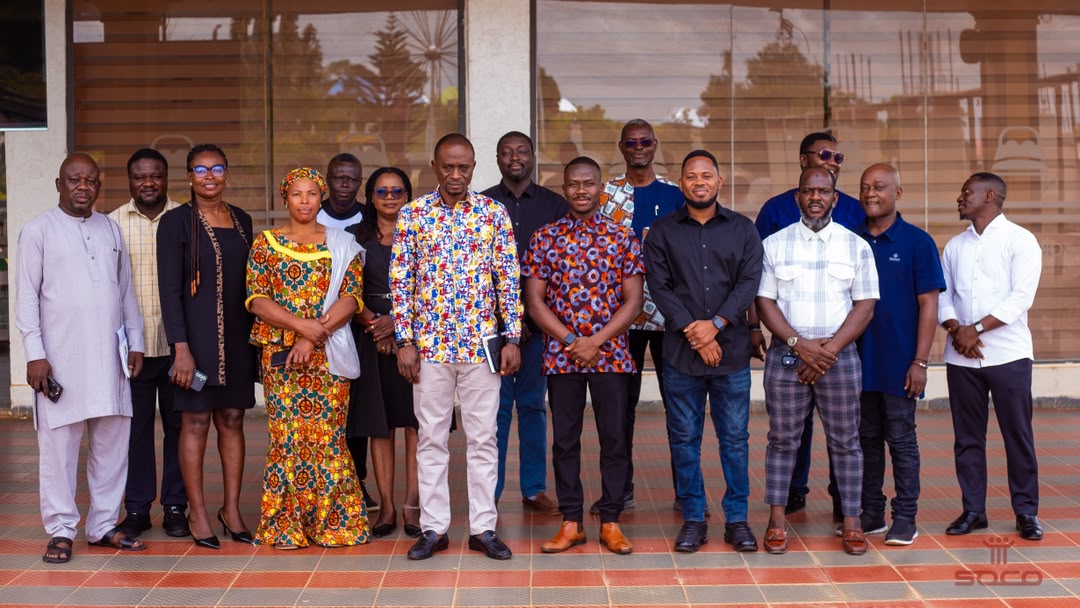
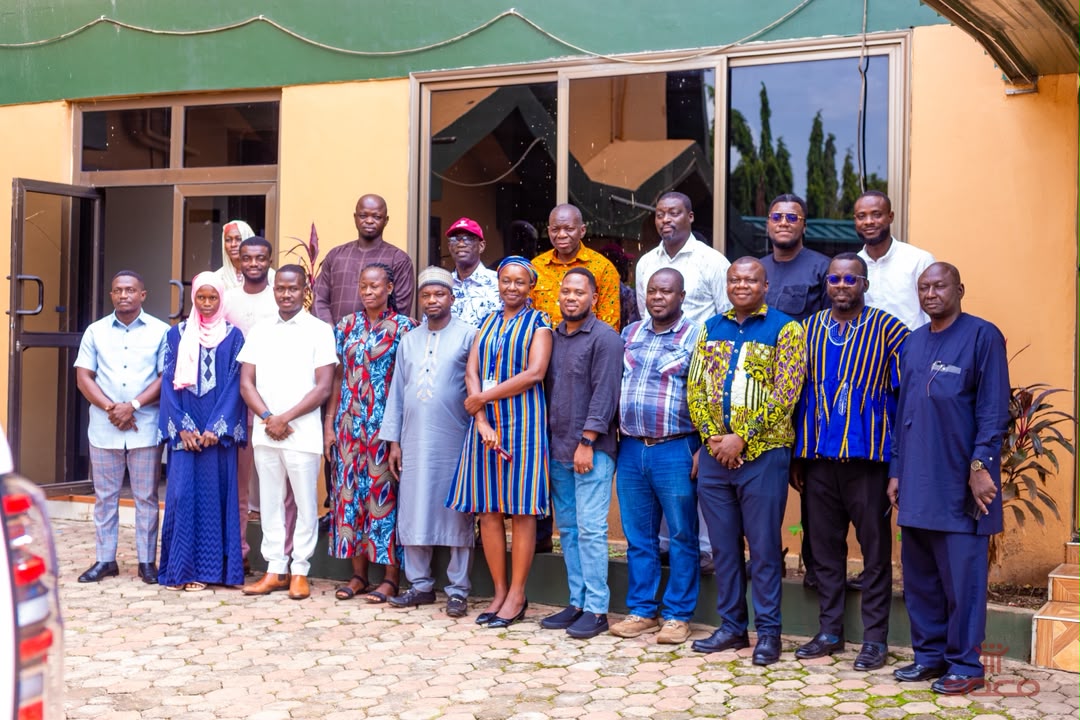
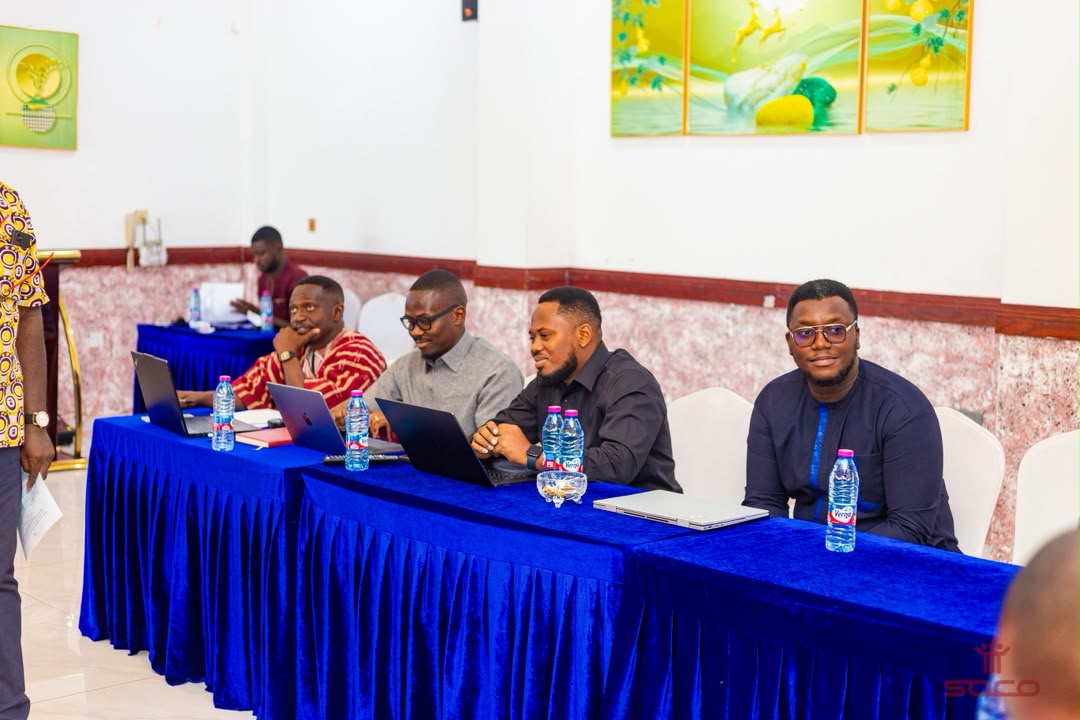
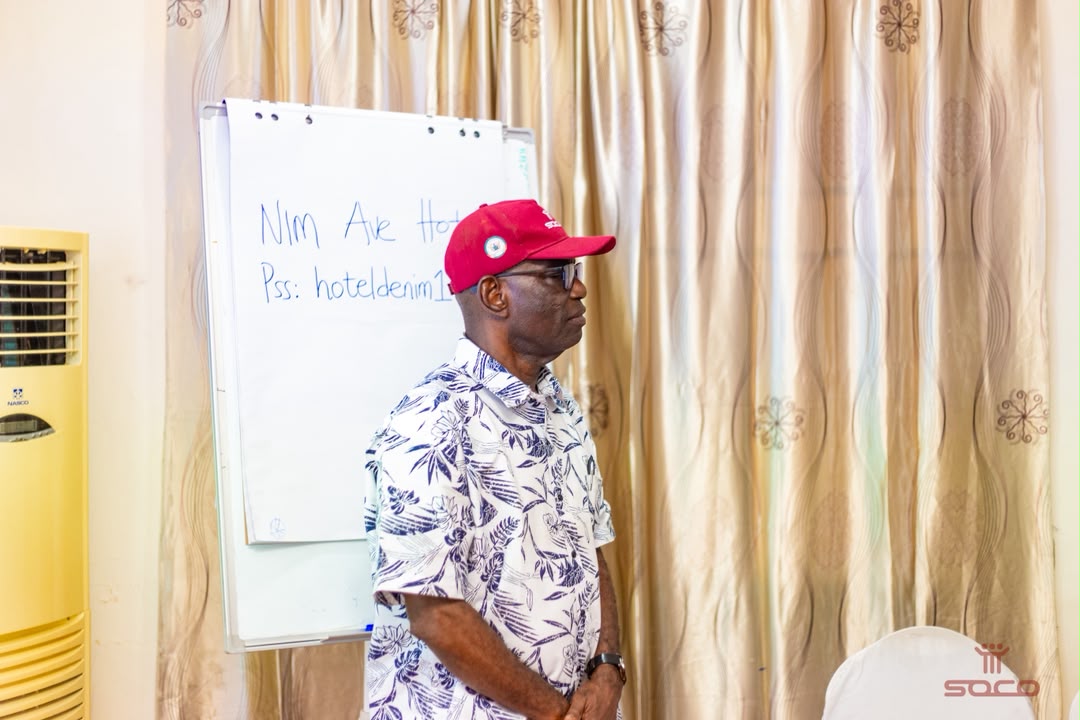
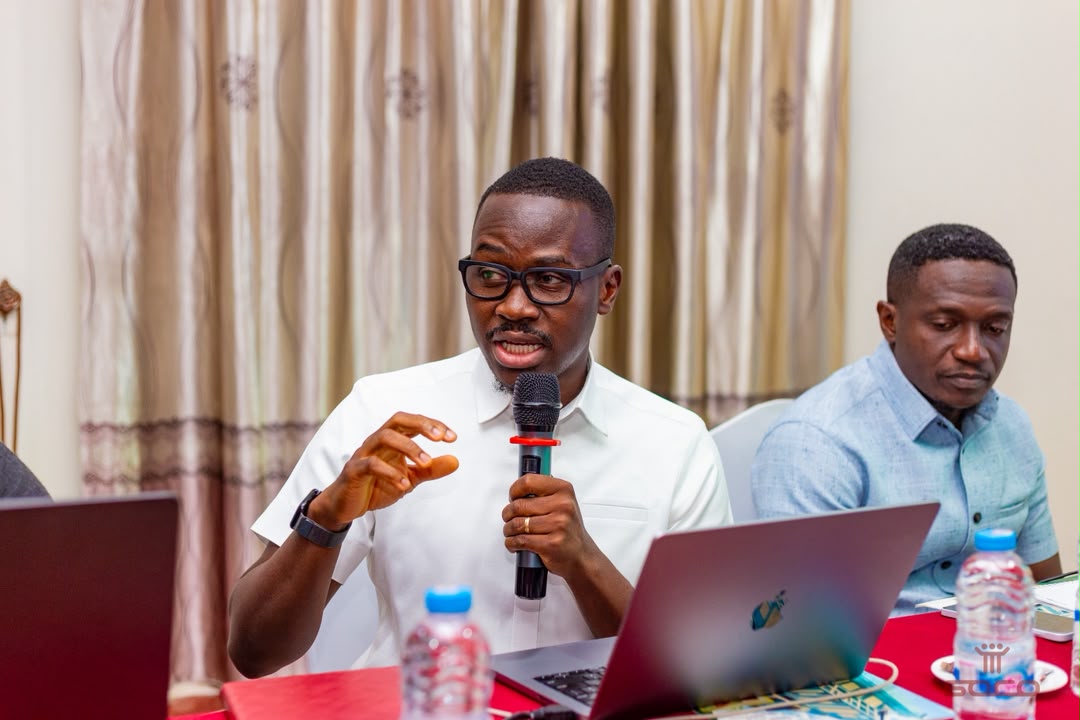
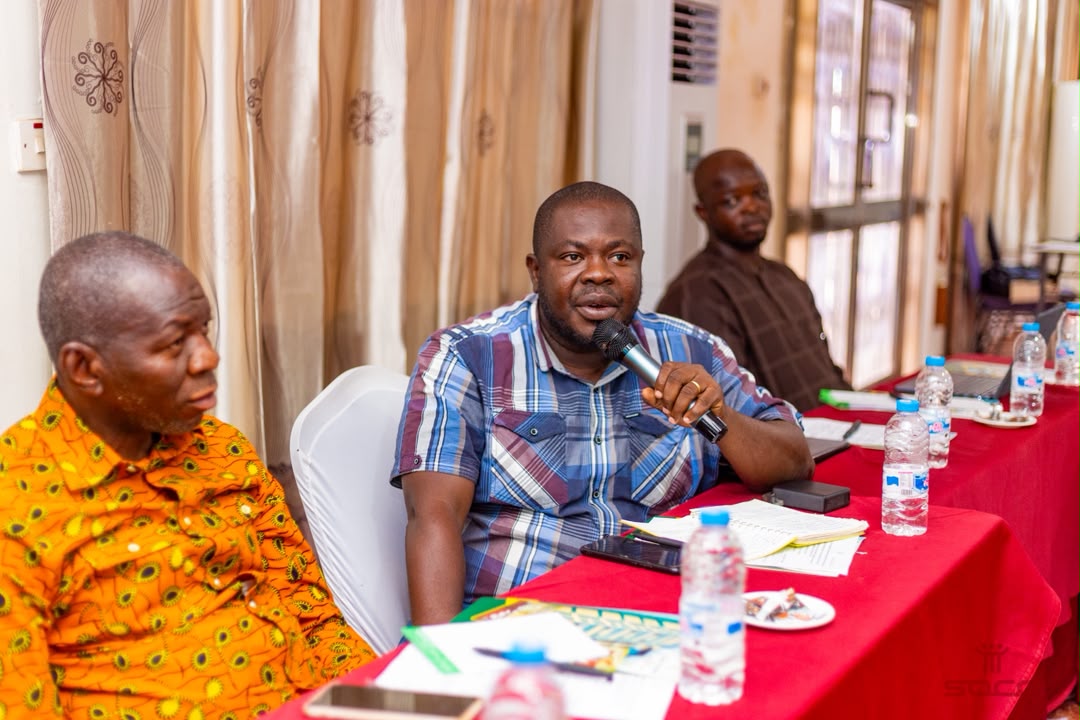
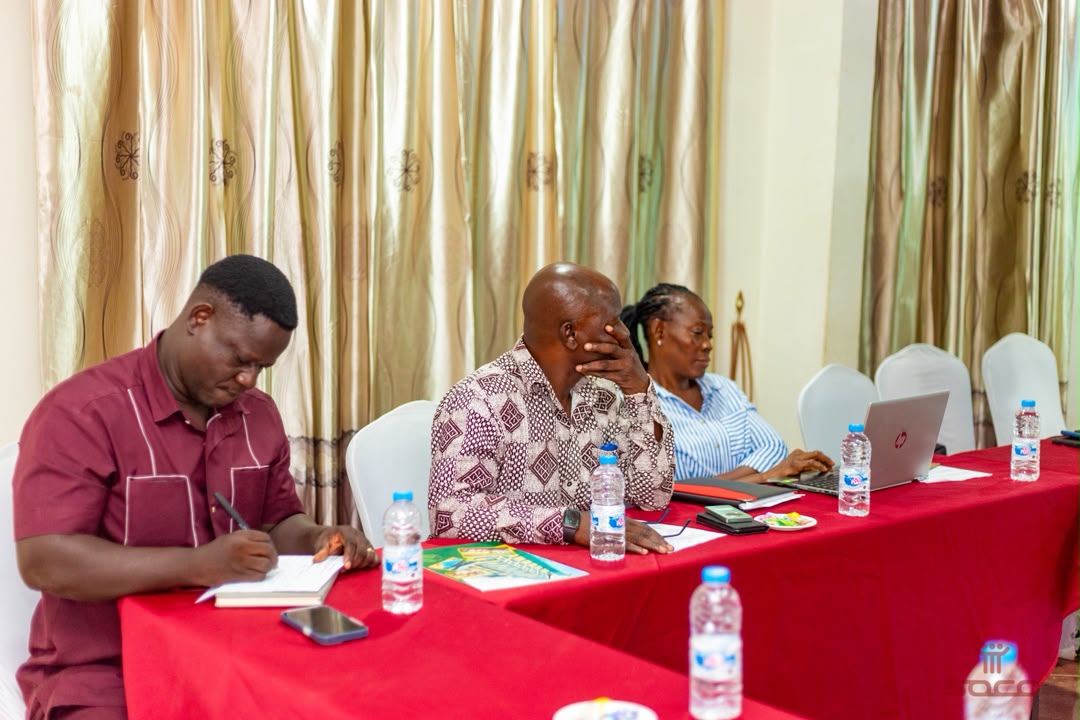
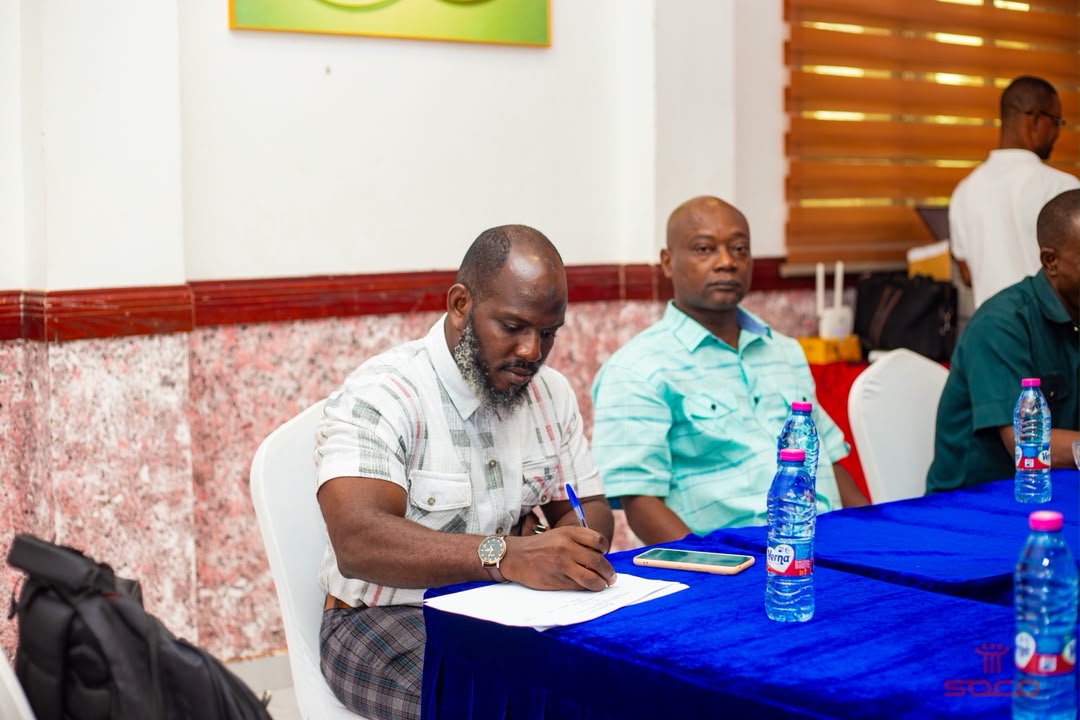
It is against this backdrop that the SOCO Project, under the Ministry of Local Government, Chieftaincy and Religious Affairs (MLGCRA), together with the National Development Planning Commission and with support from the World Bank, organised a series of stakeholder orientation workshops across its three operational zones. The workshops were held in Wa (11th – 12th June 2026), Bolgatanga (15th – 16th June 2026) and Tamale (17th–18th June 2026), bringing together representatives from Regional Coordinating Councils (RCCs), Metropolitan, Municipal and District Assemblies (MMDAs), Development Partners and key public institutions involved in development planning and implementation.
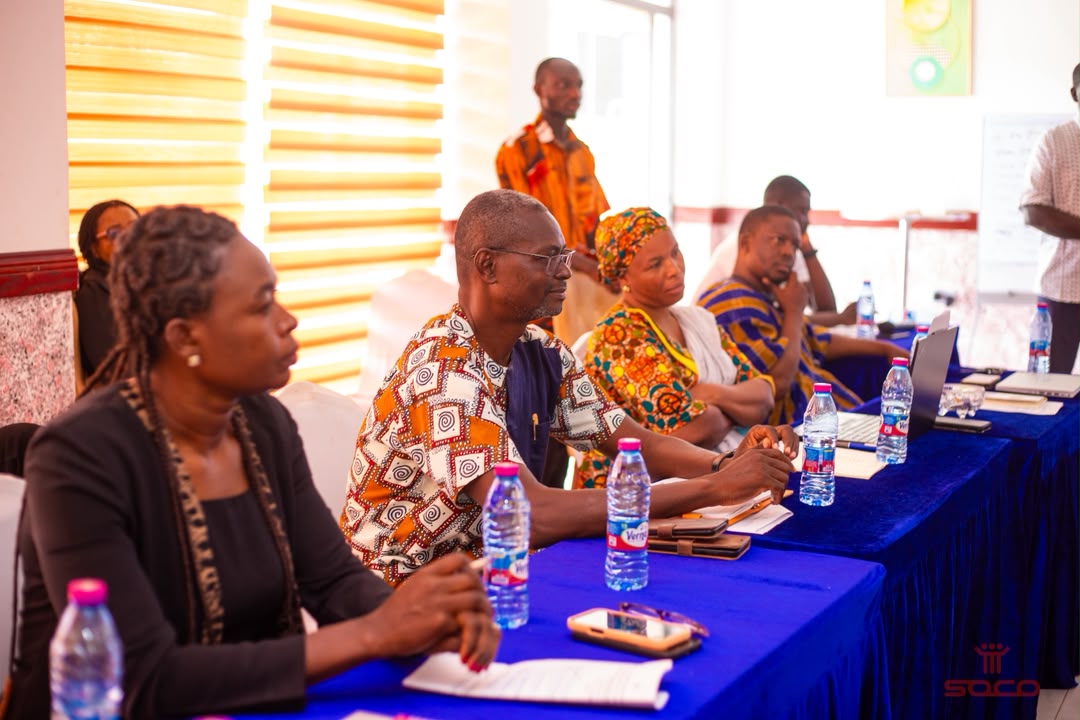
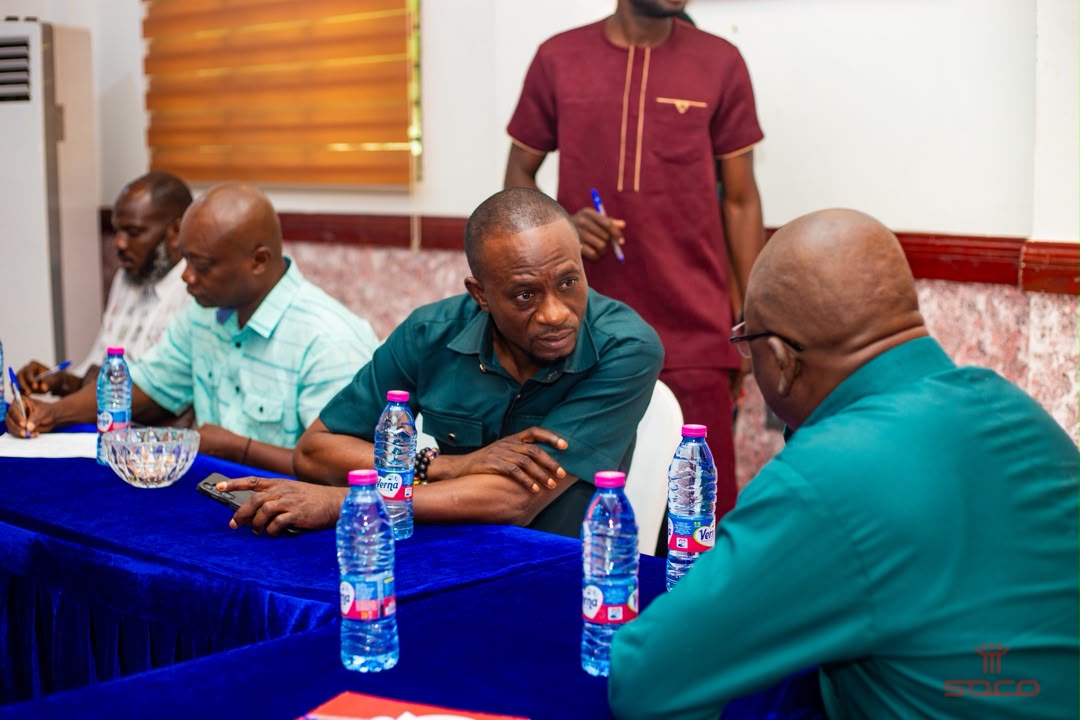
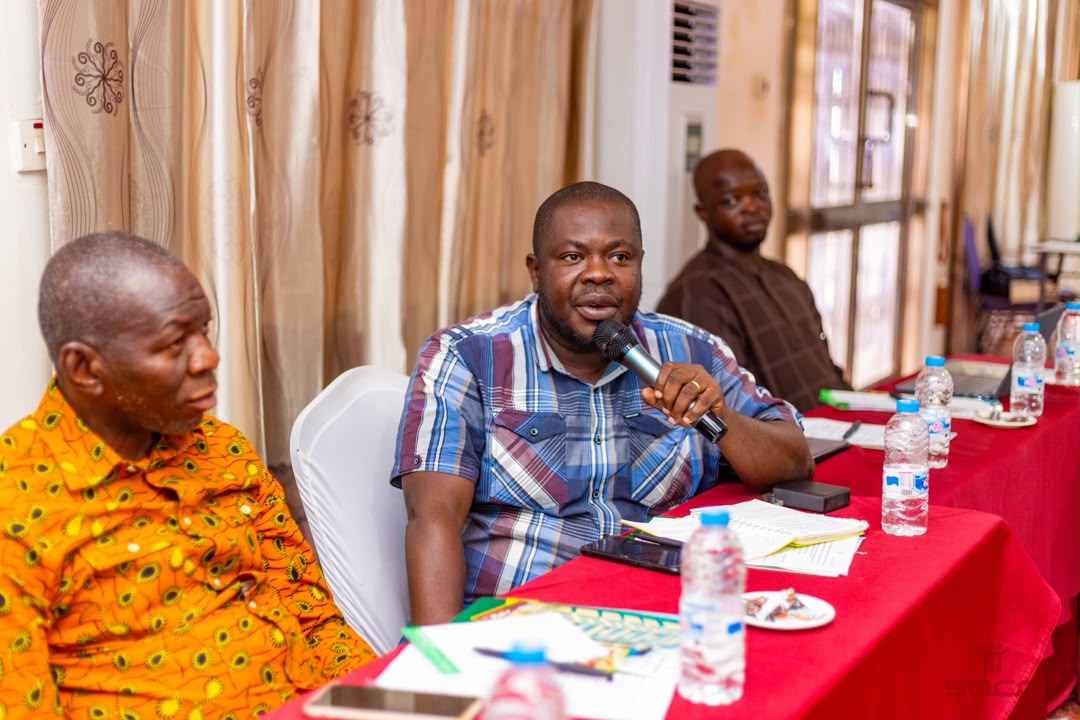
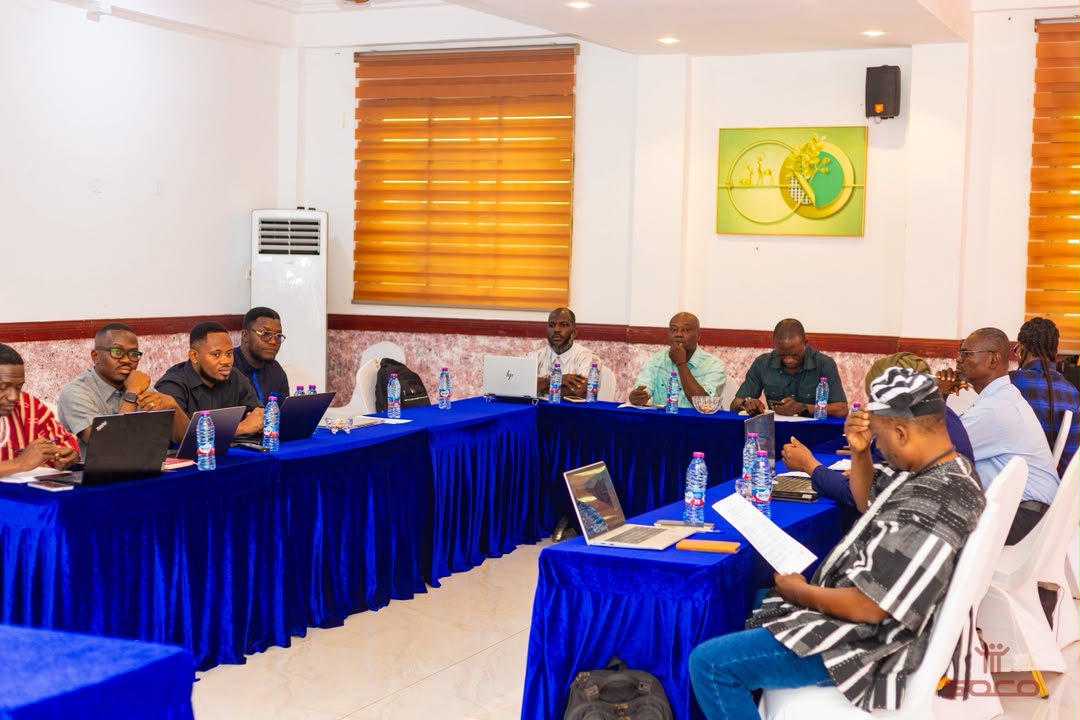
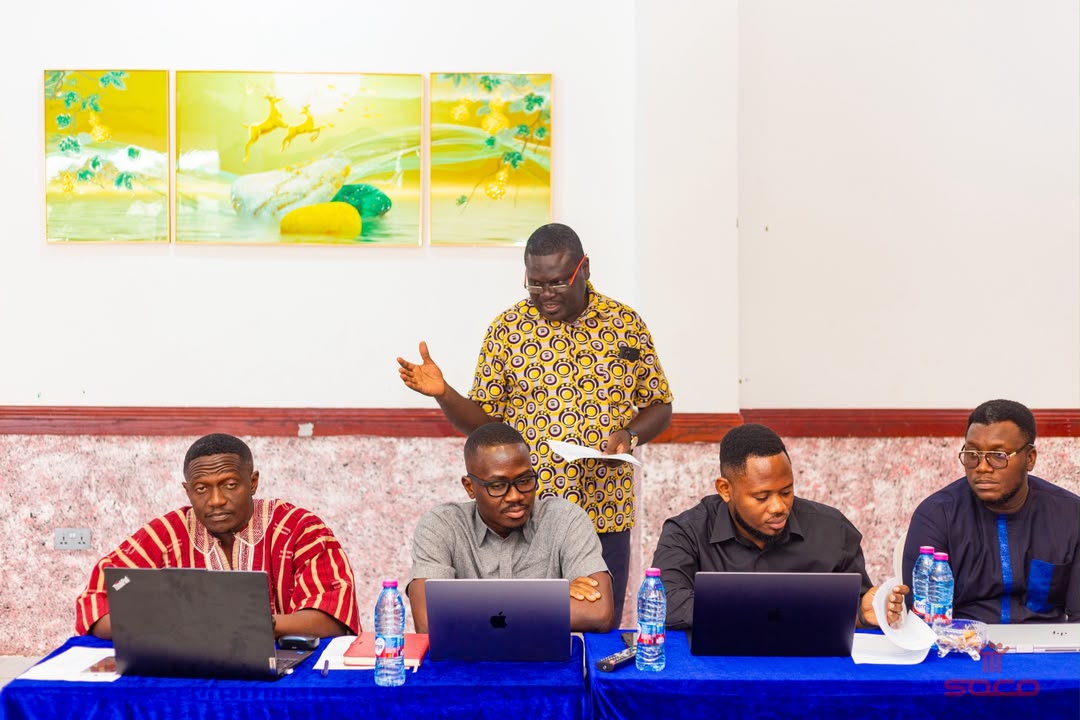
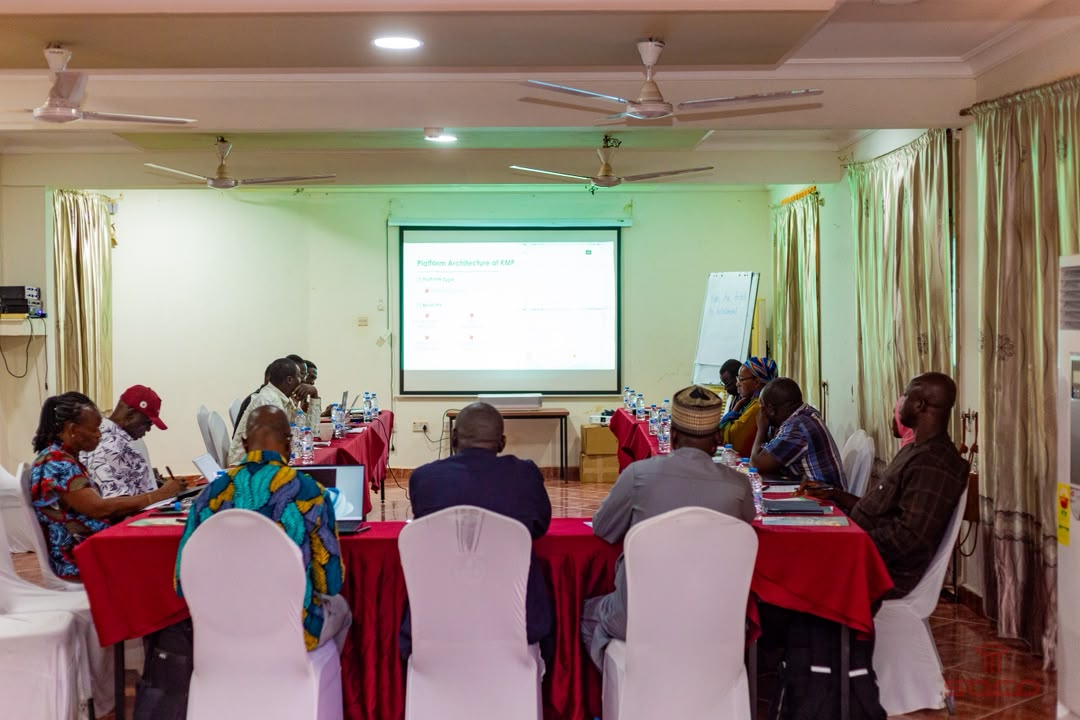
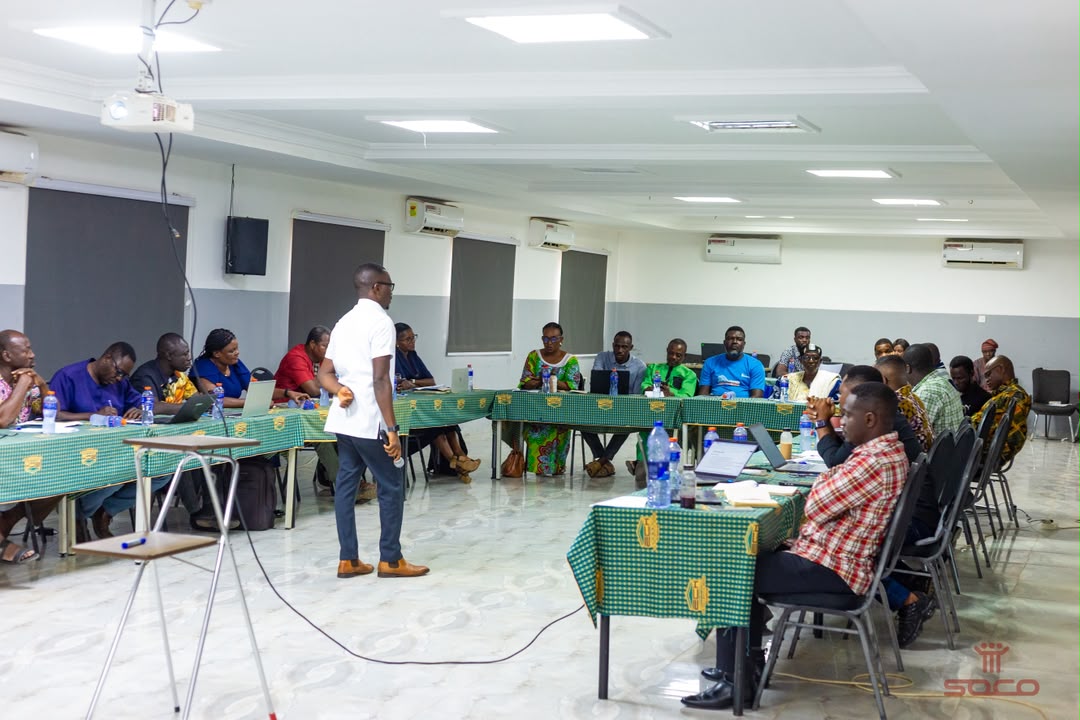
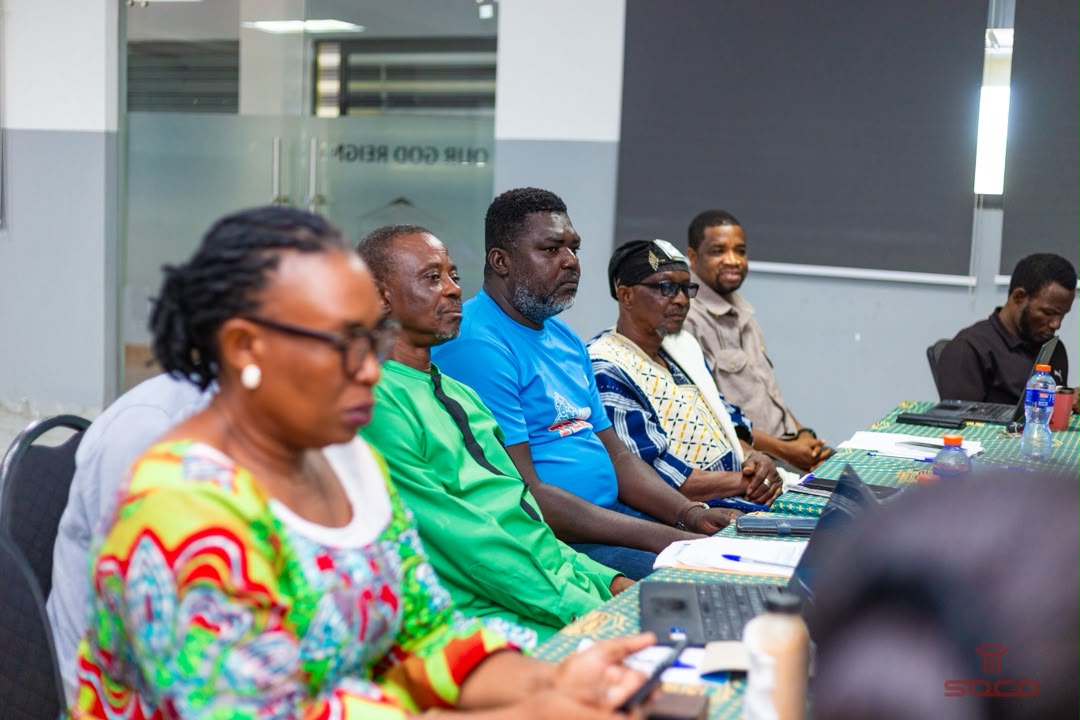
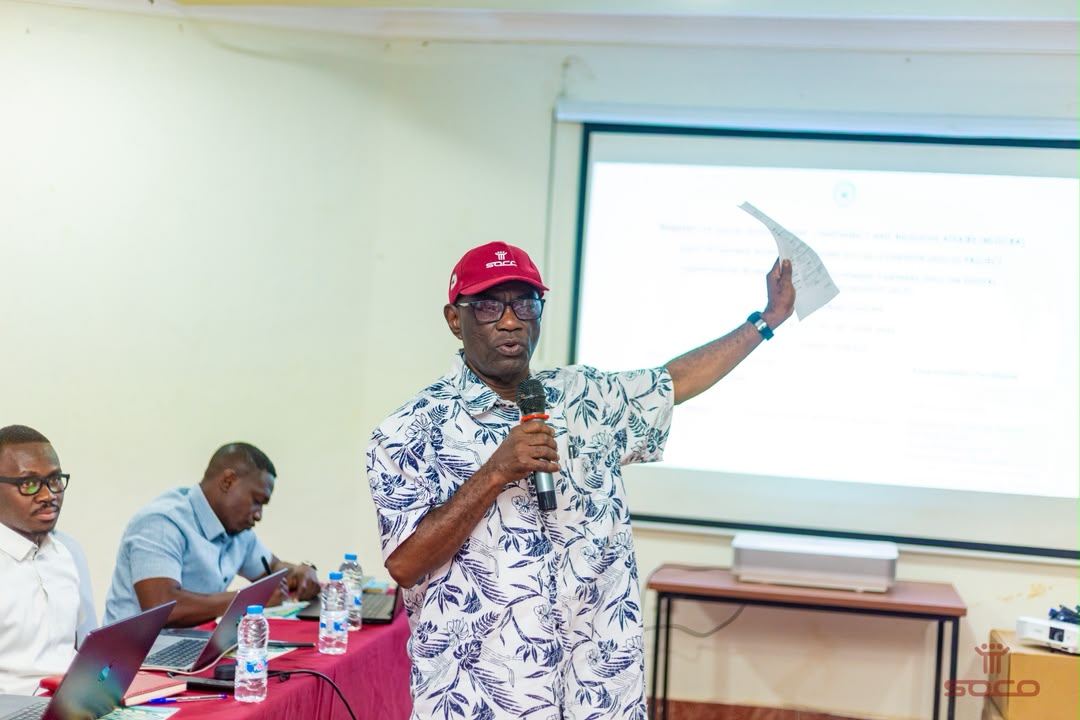
The engagements marked an important step in preparing institutions for a platform that is expected to strengthen coordination among development actors while improving planning and decision-making at the local level. Rather than presenting stakeholders with a completed system, the workshops created an opportunity for future users to understand the concept behind the platform, discuss how it should respond to existing coordination challenges and contribute ideas that will shape its continued development.
The orientation workshops brought together a broad cross-section of Development Partners, civil society organisations and government institutions working across the project areas. Participating organisations included GIZ SKBoWa Project, UNICEF, World Vision, Catholic Relief Services (CRS), TreeAid, the International Organization for Migration (IOM) Coastal States Stability Mechanism (CSSM), WaterAid Ghana, Campaign for Female Education (CAMFED) Ghana, the Anglican Diocesan Development and Relief Organization (ADDRO), the West Africa Network for Peacebuilding (WANEP), AfriKids, the Participatory Action for Rural Development Alternatives (PARDA), the Rural Water and Development Programme (RWDP Ghana), the Afram Plains Development Organisation (APDO), the Professional Network Association (ProNet North), Green Bongo for Sustainable Development and the Empowerment for Life (E4L) Programme.
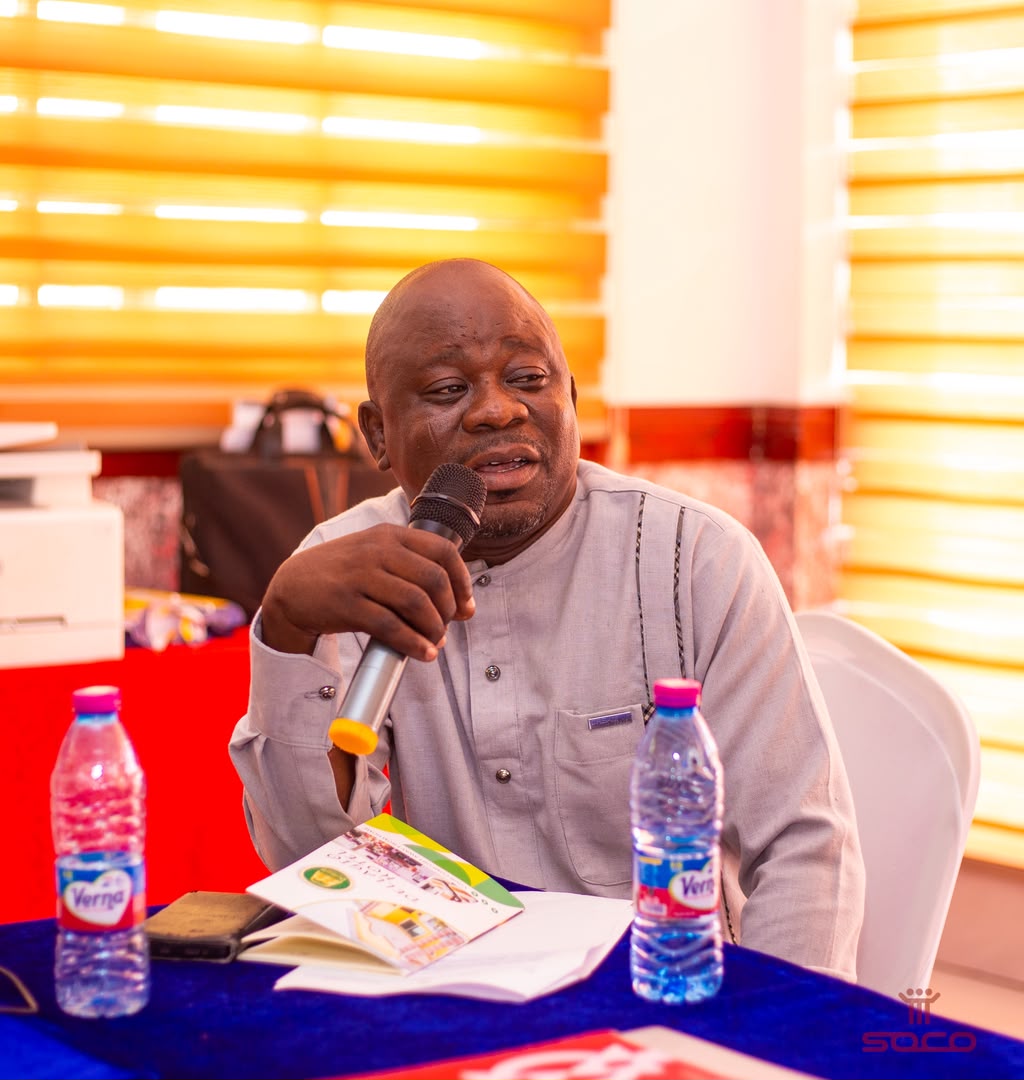
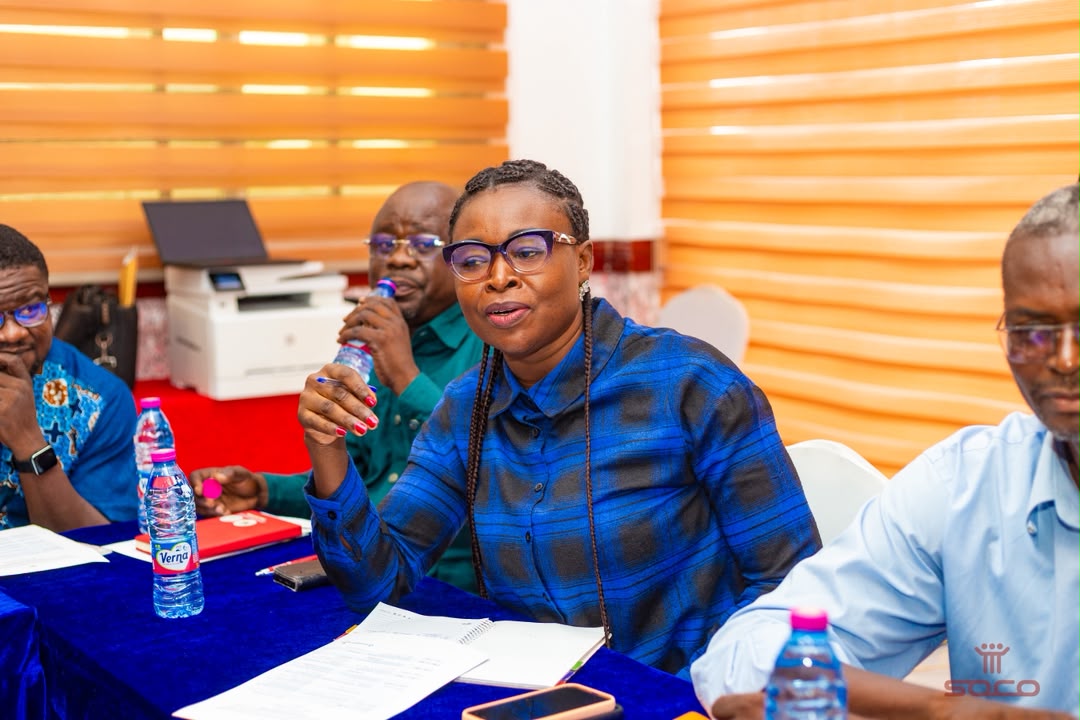
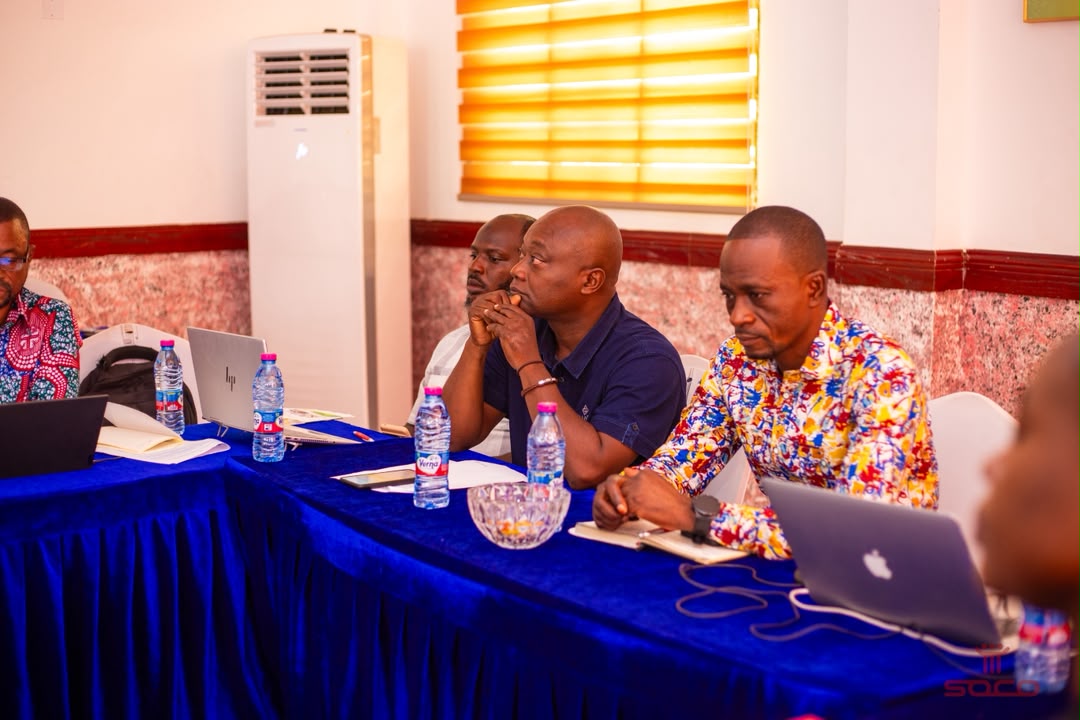
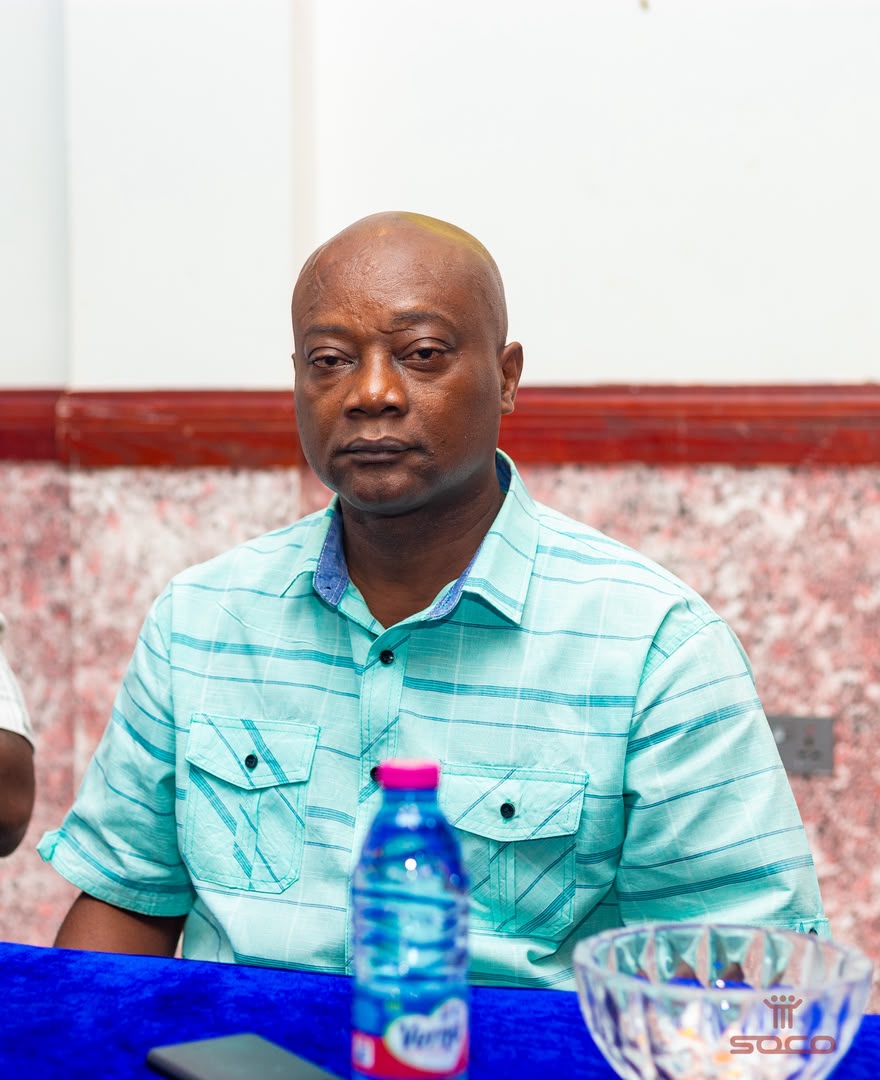
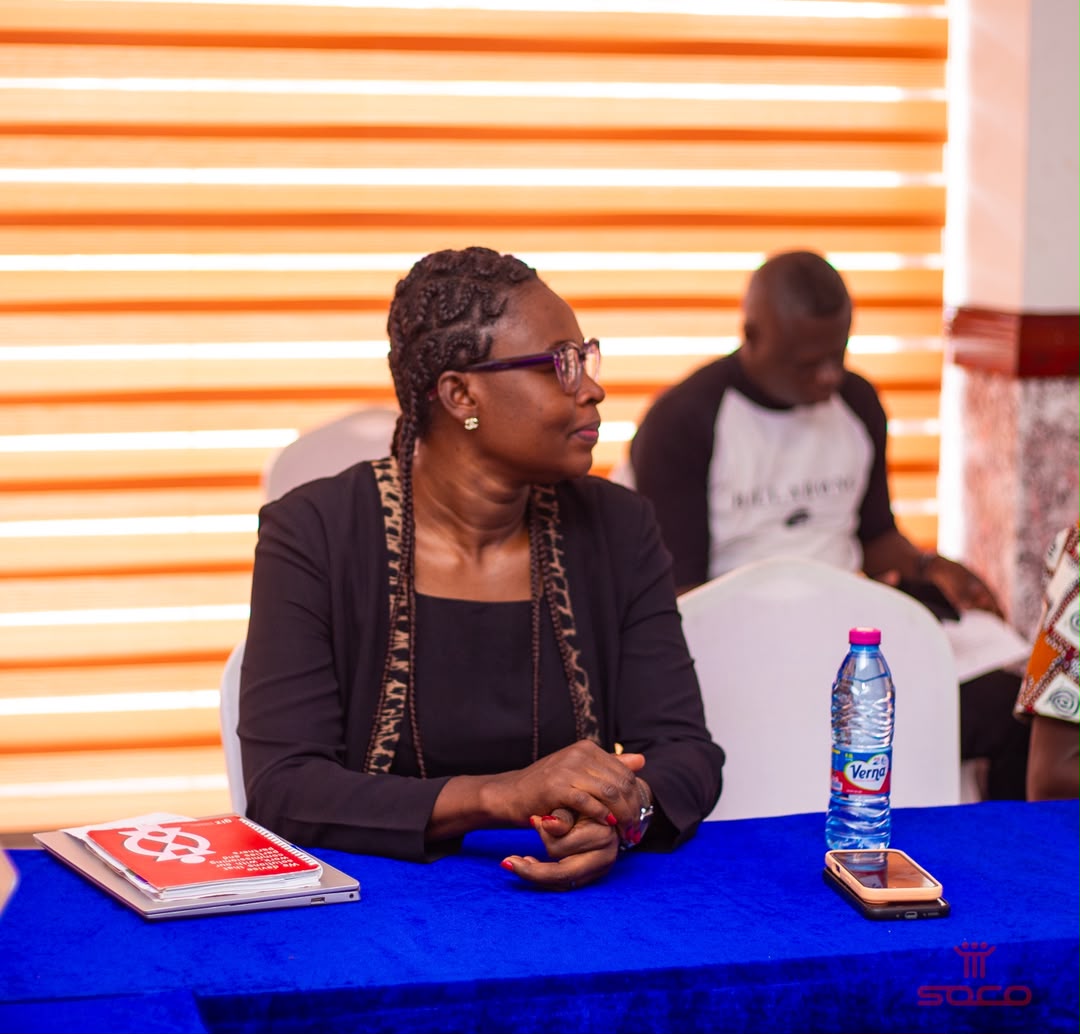
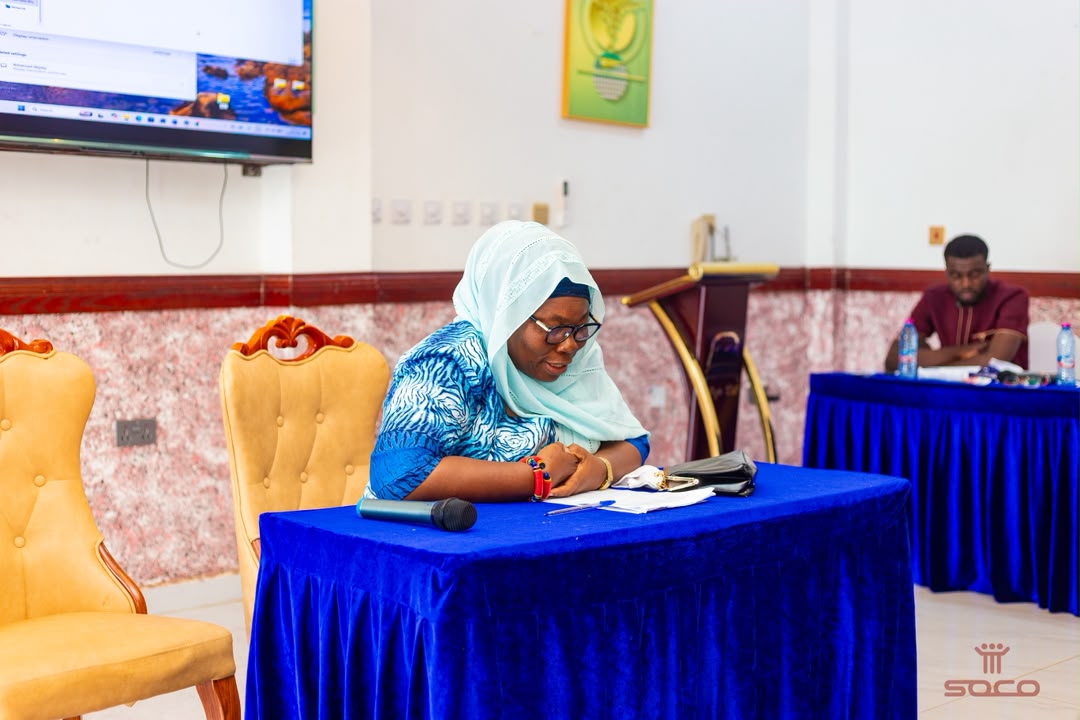
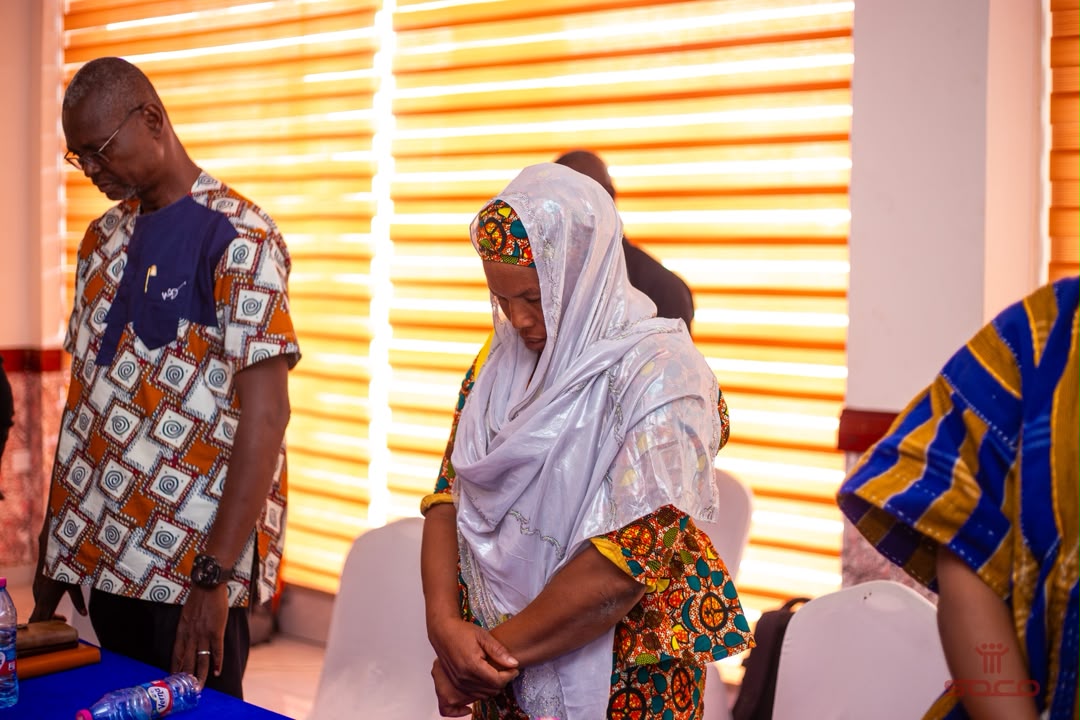
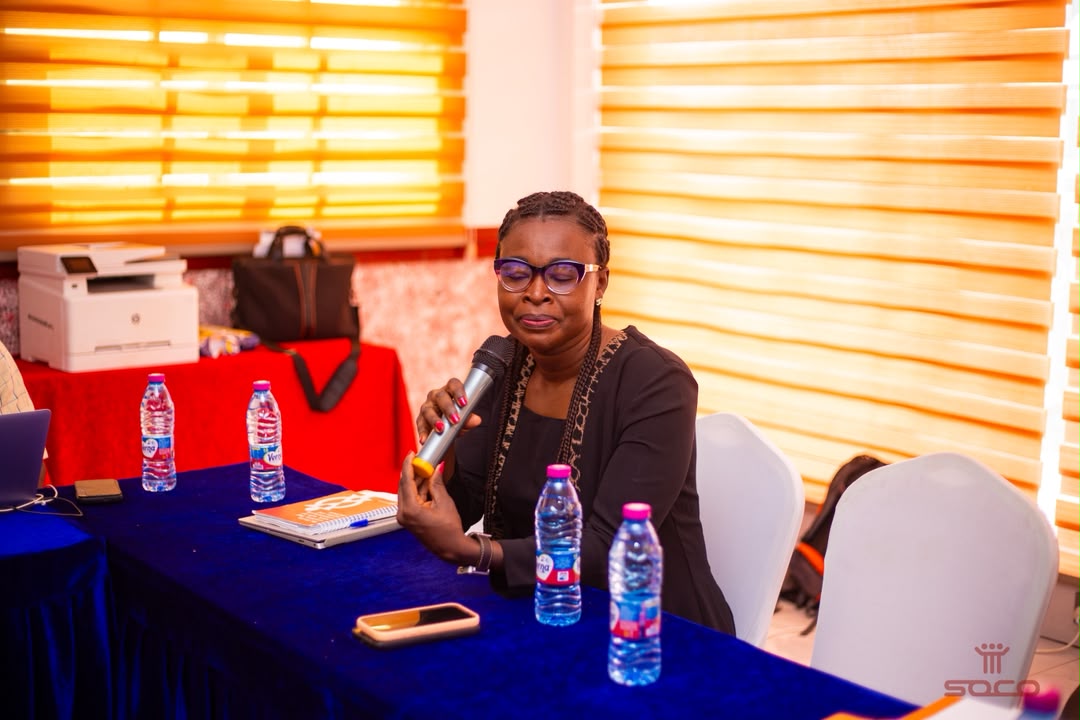
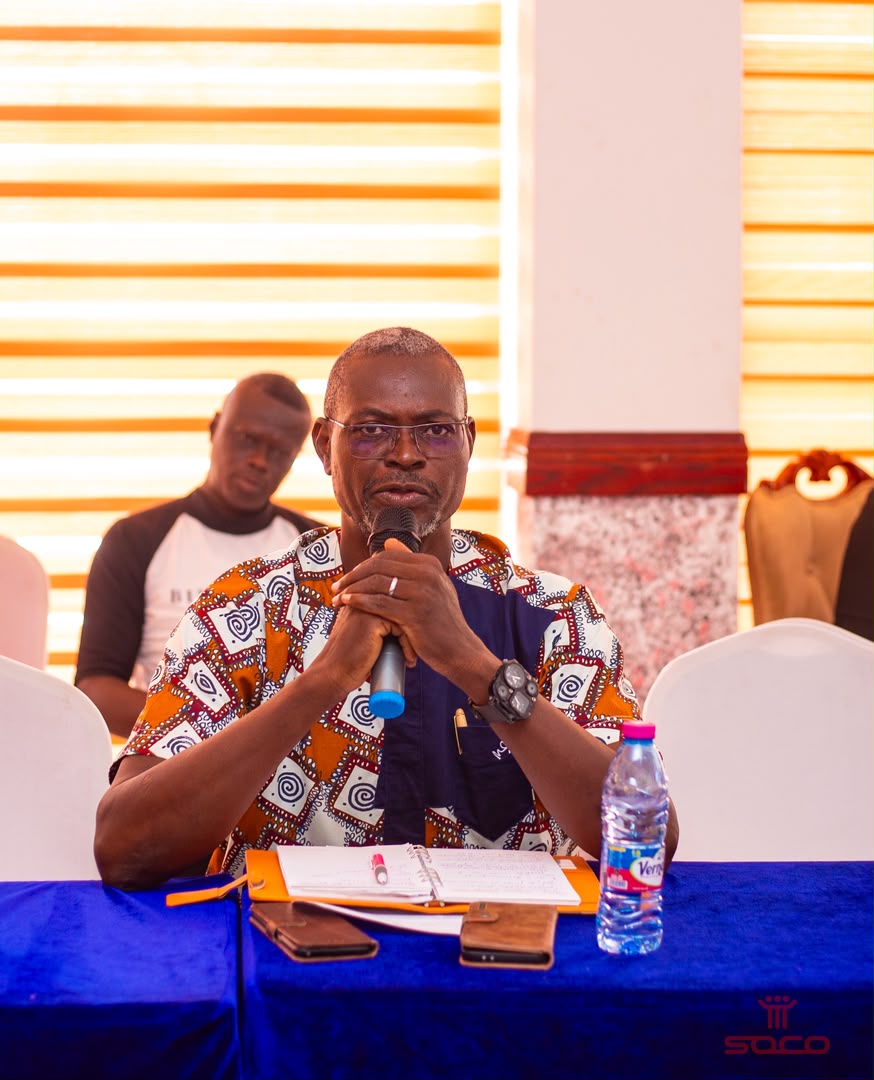
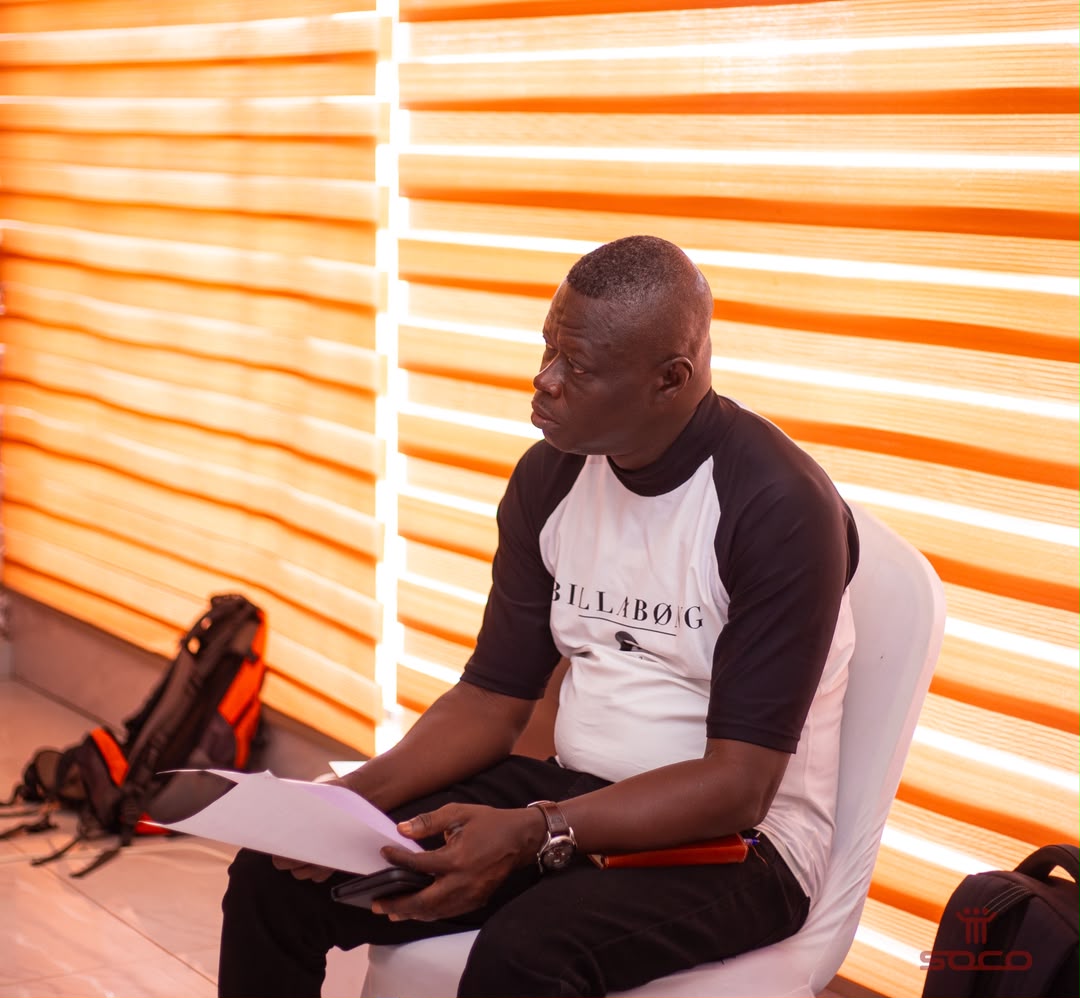
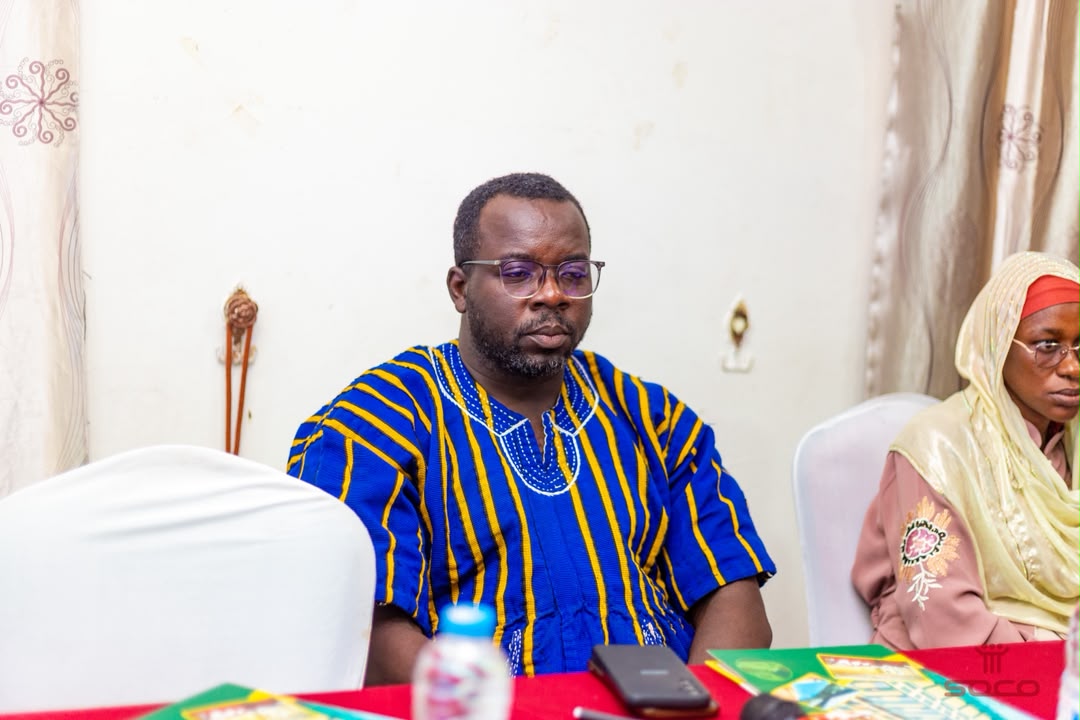
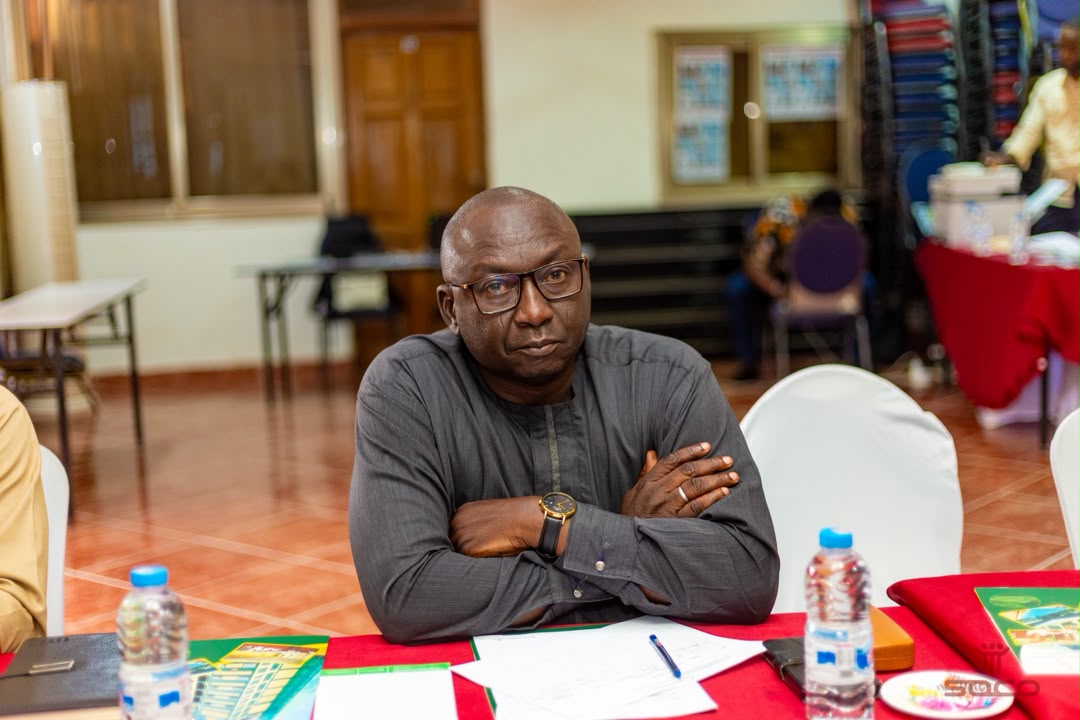
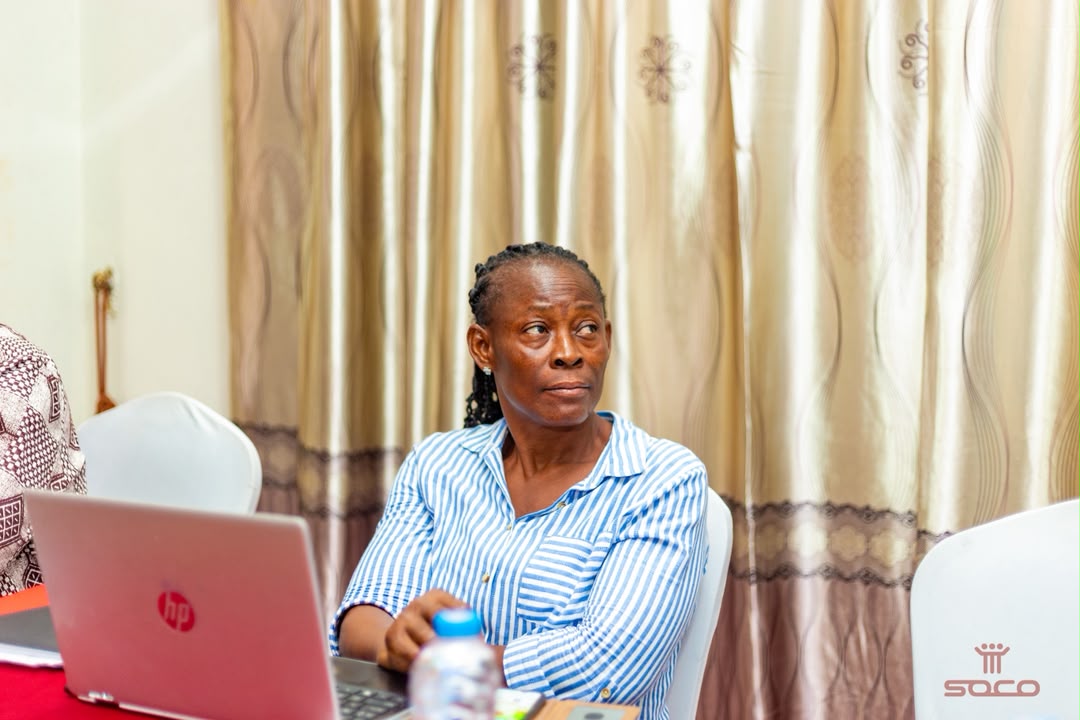
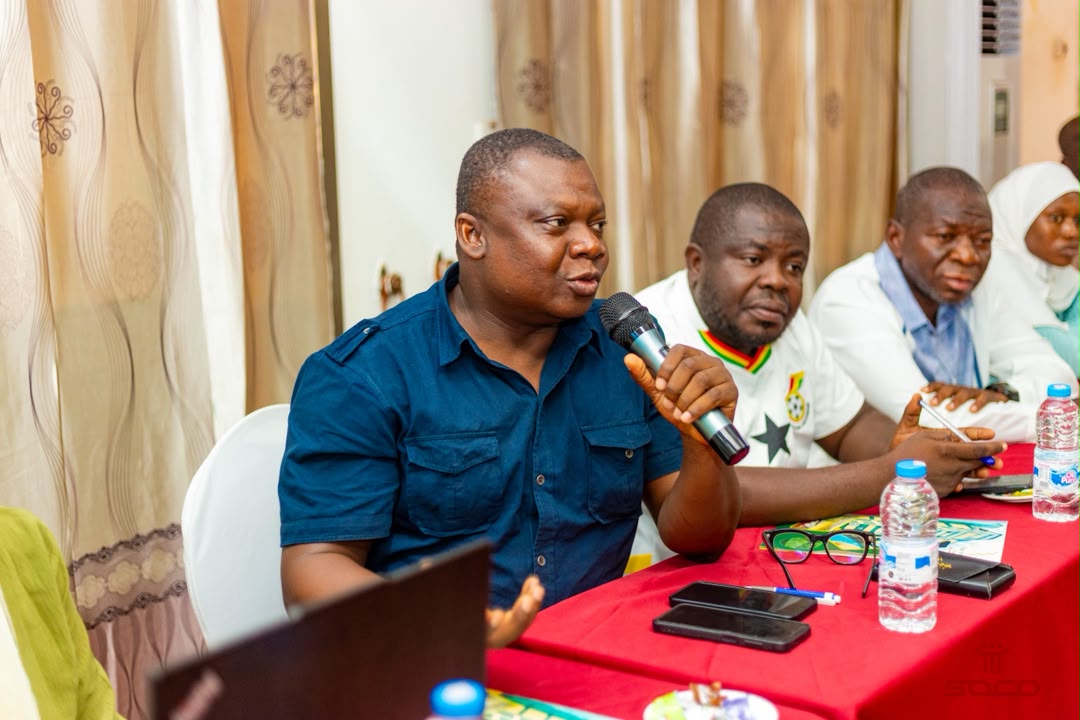
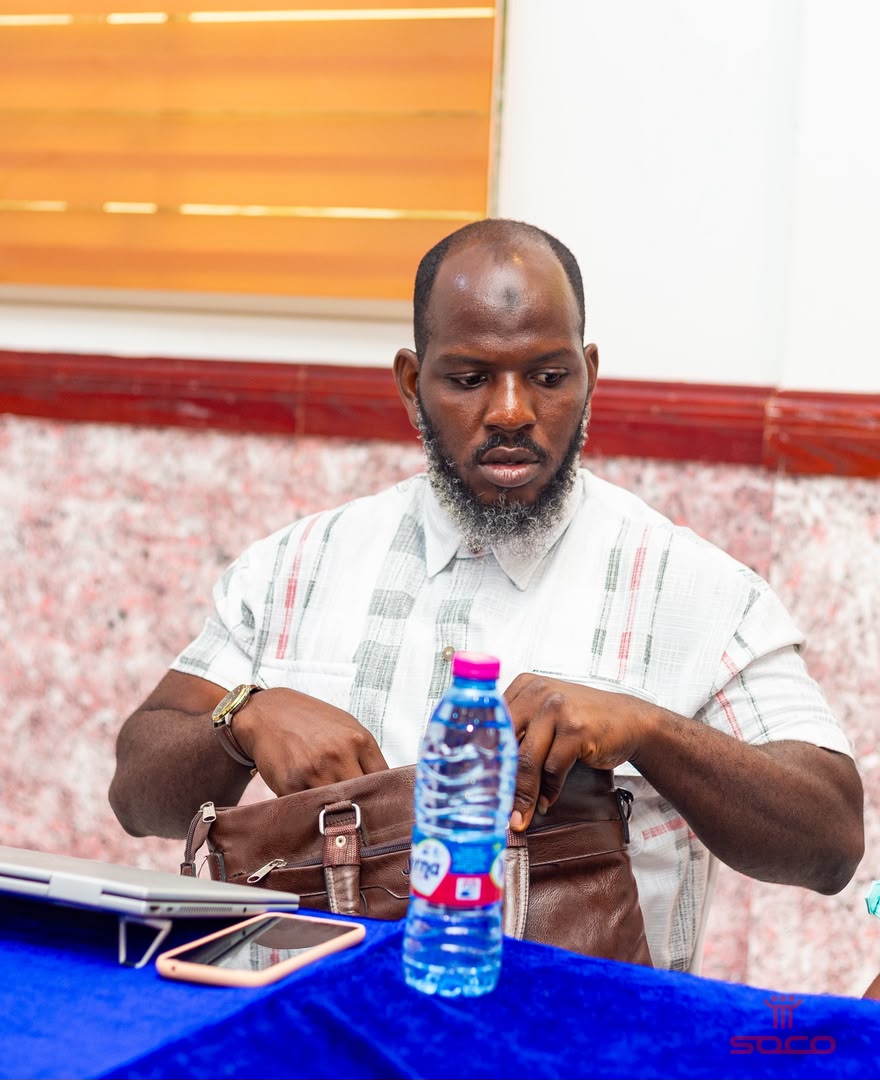
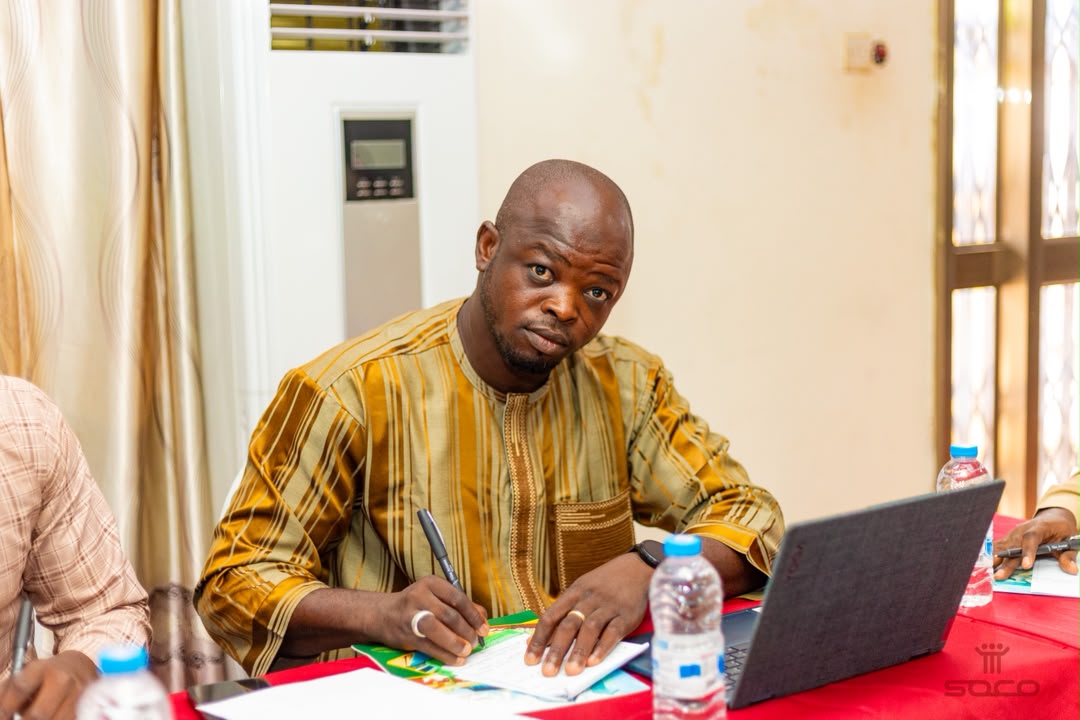
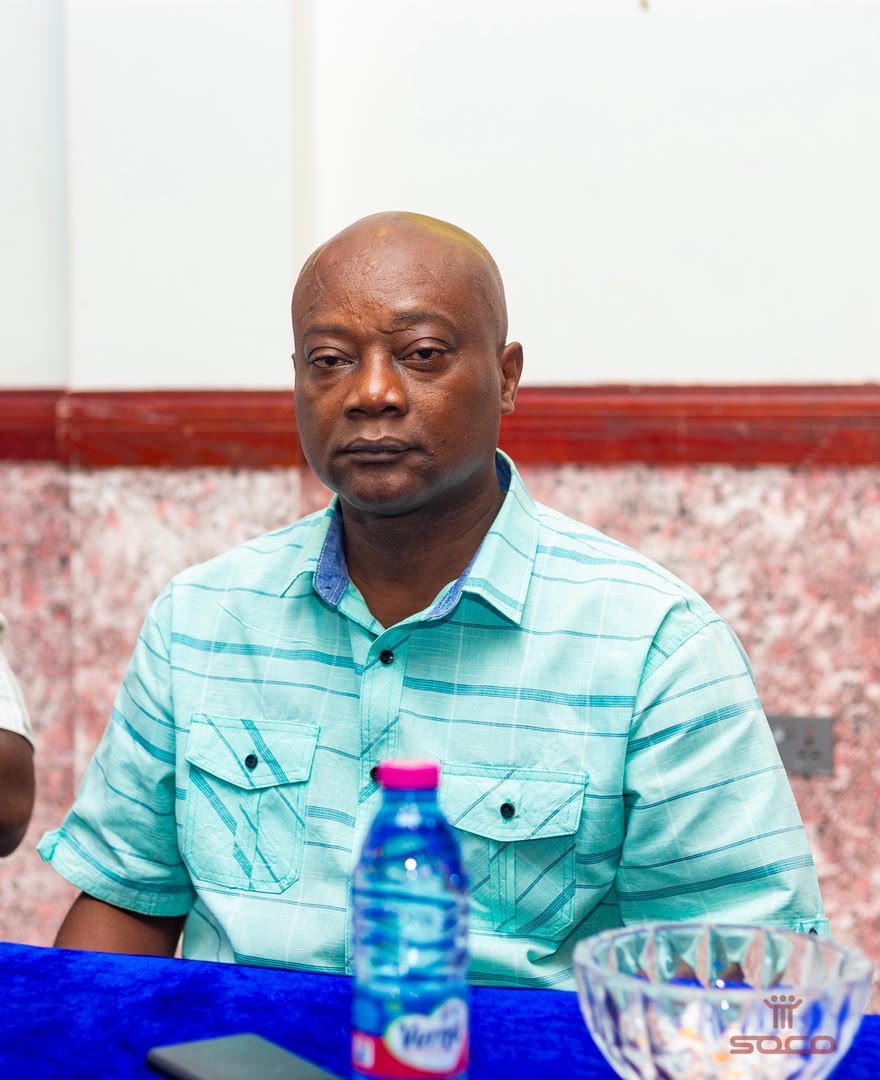
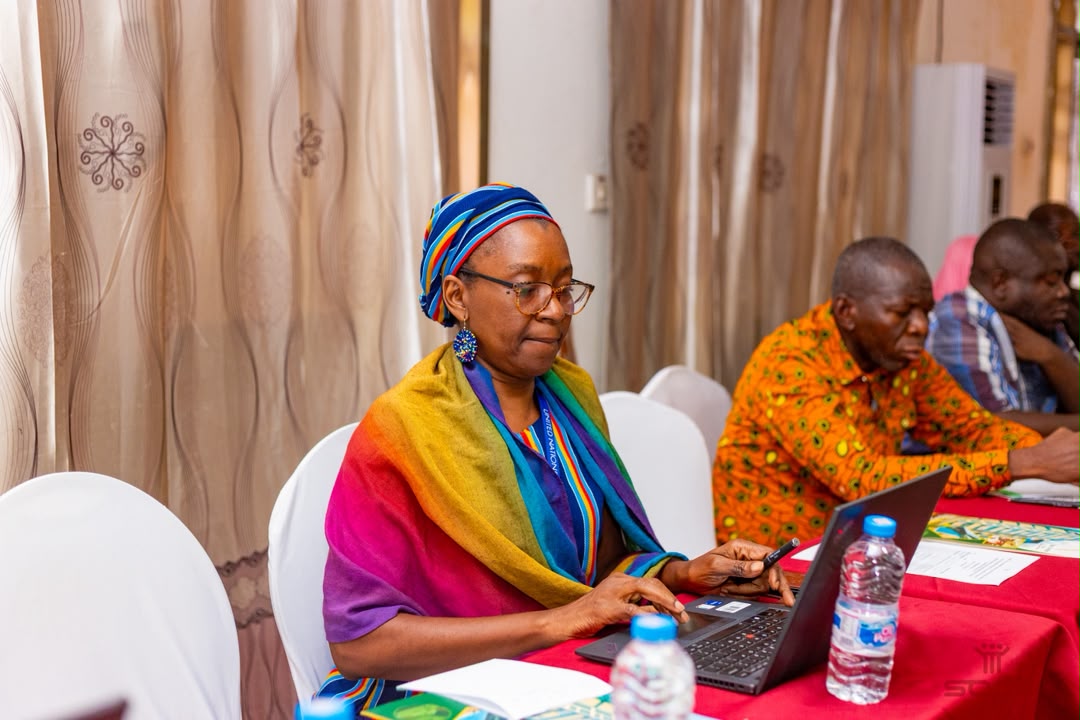
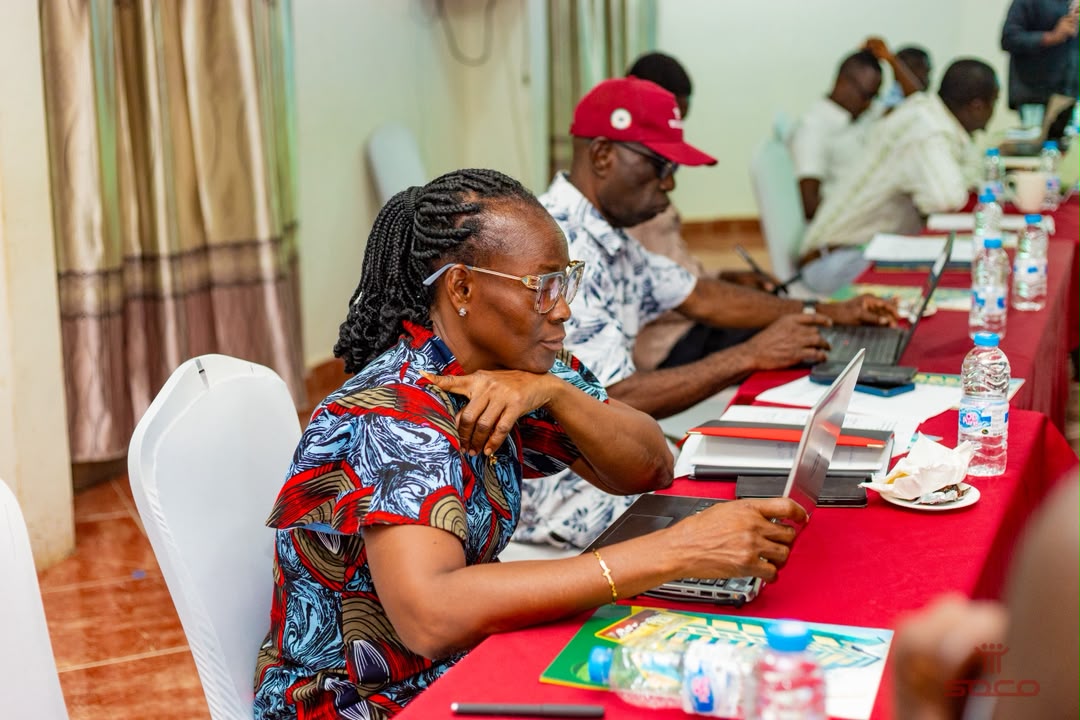
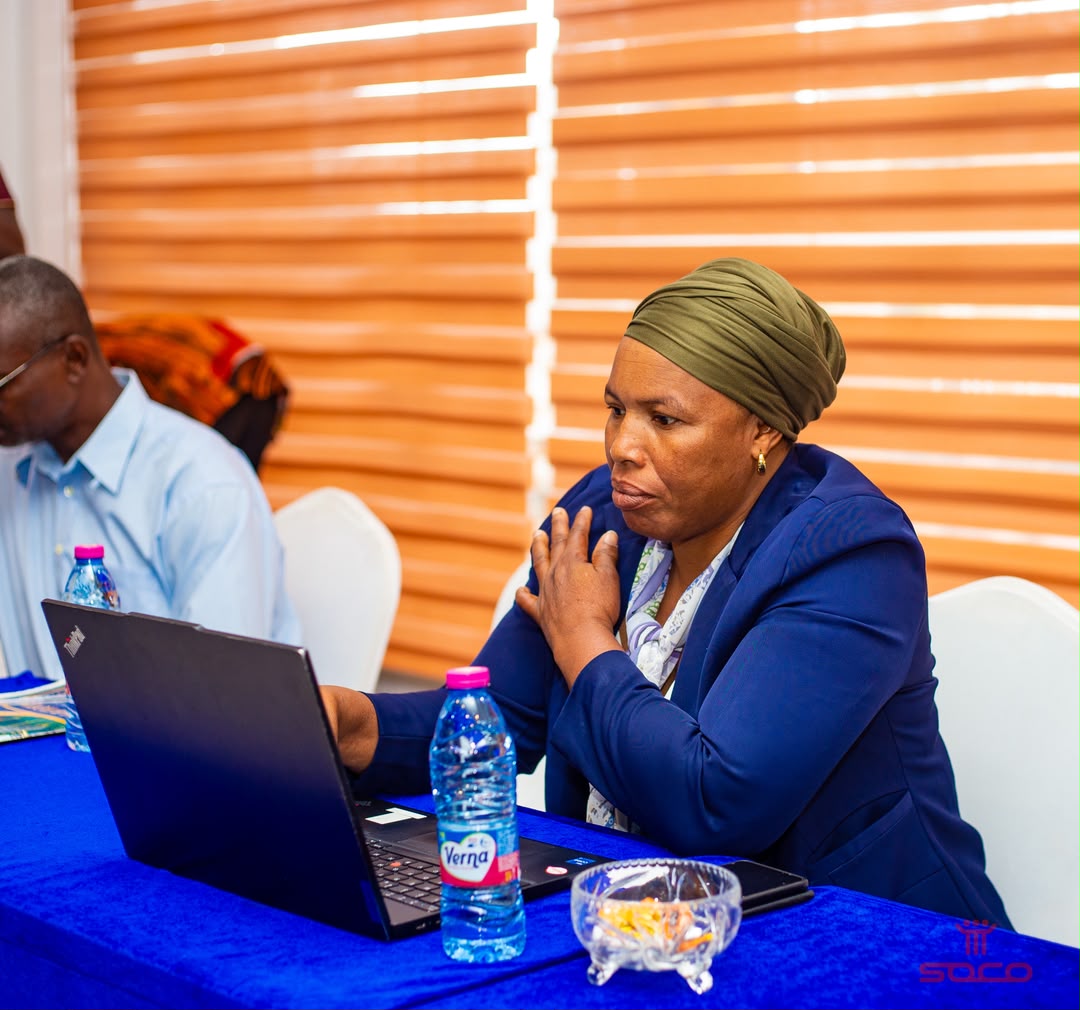
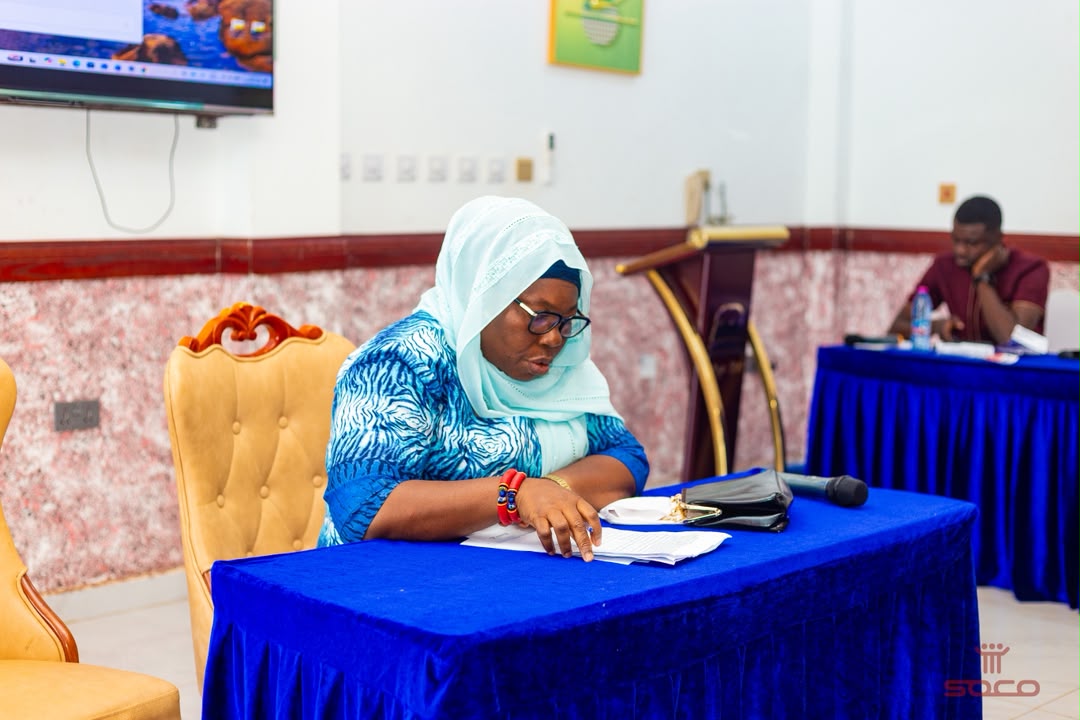
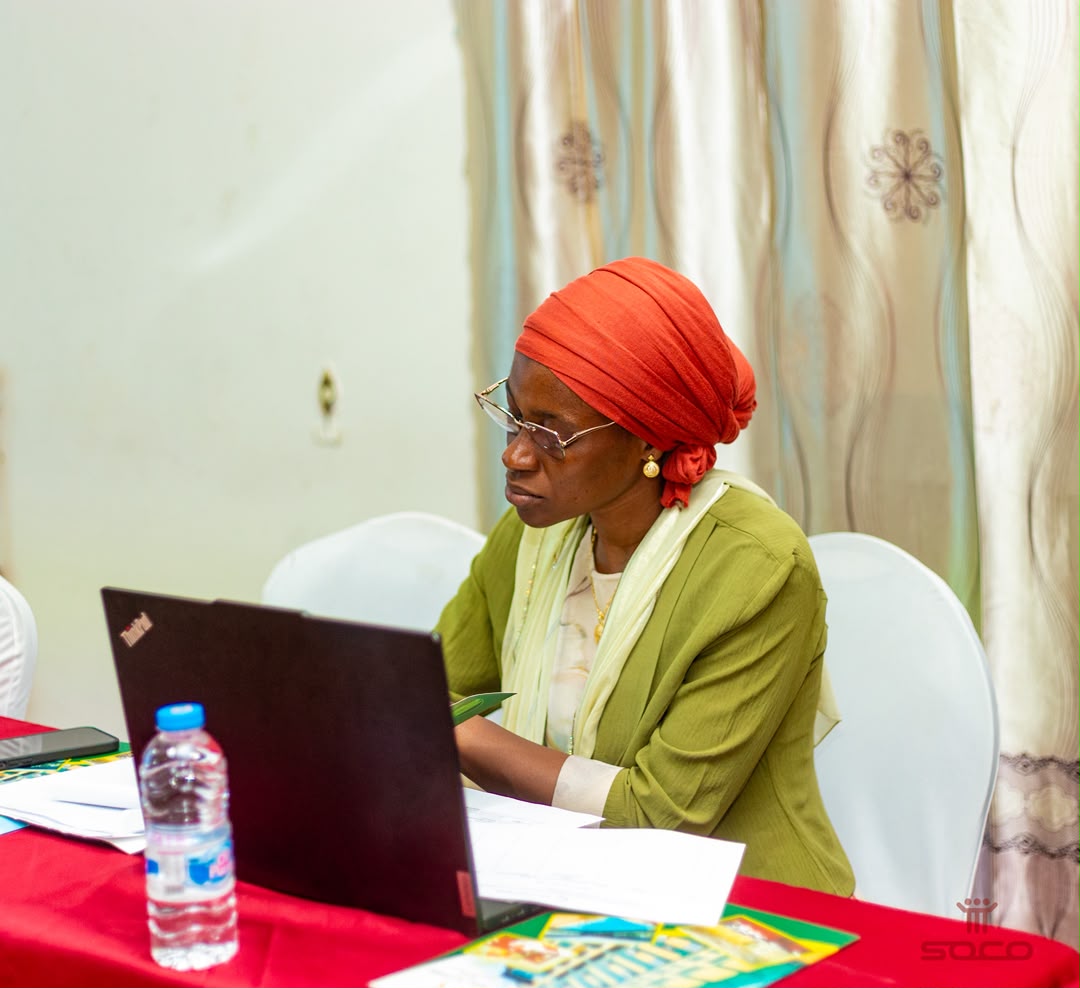
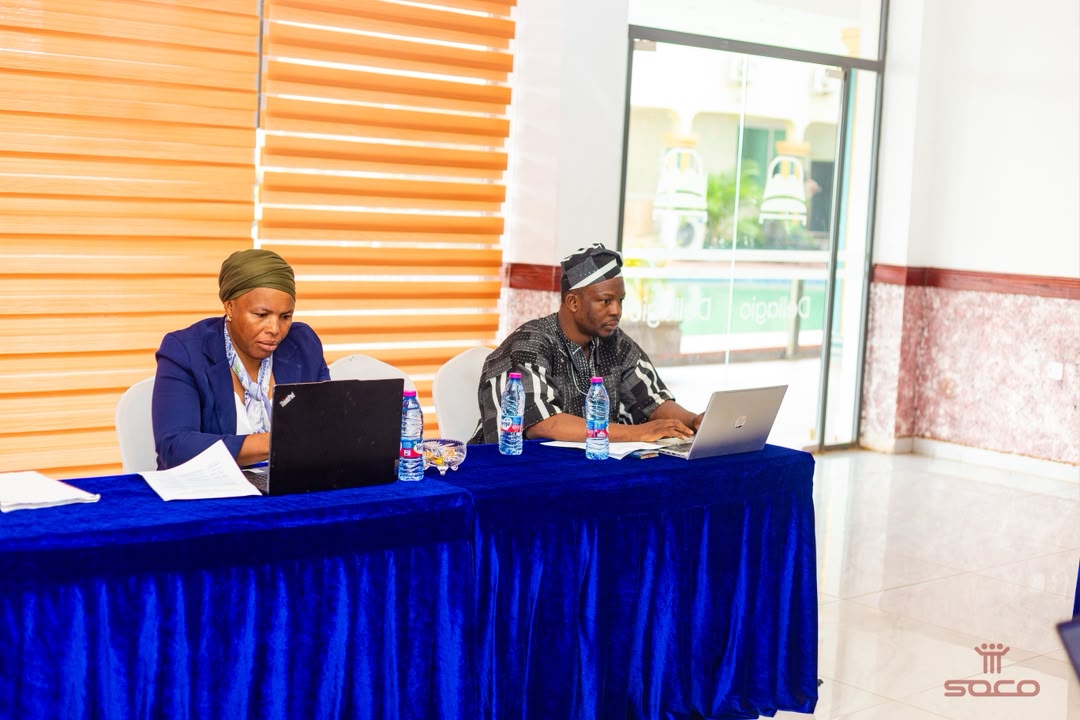
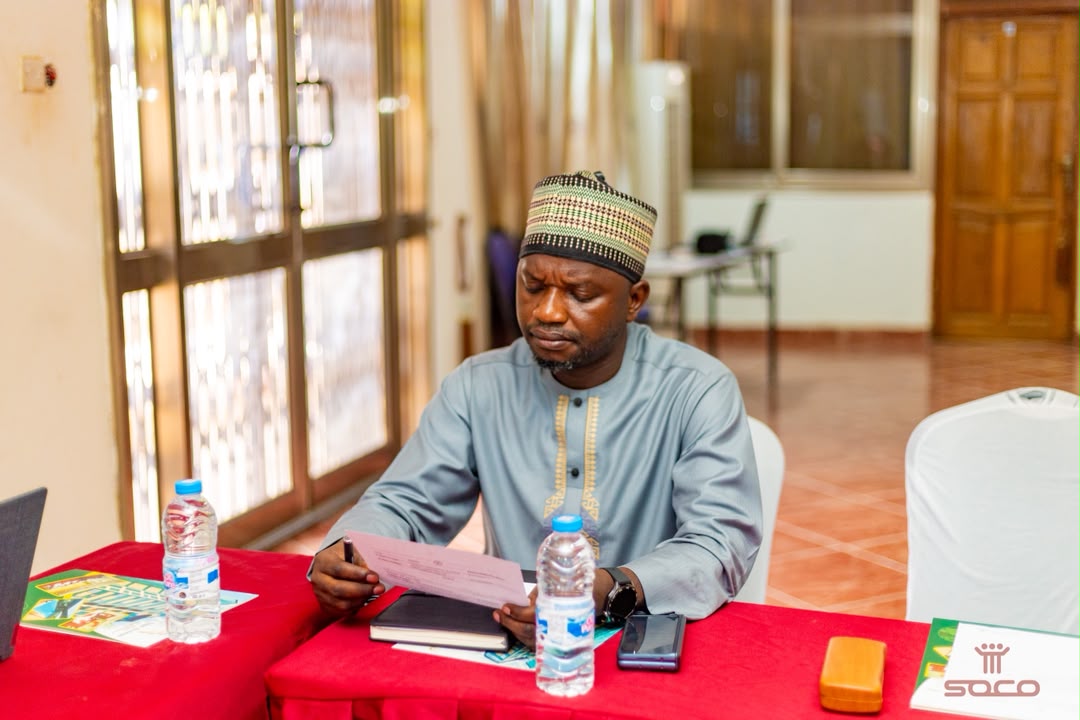
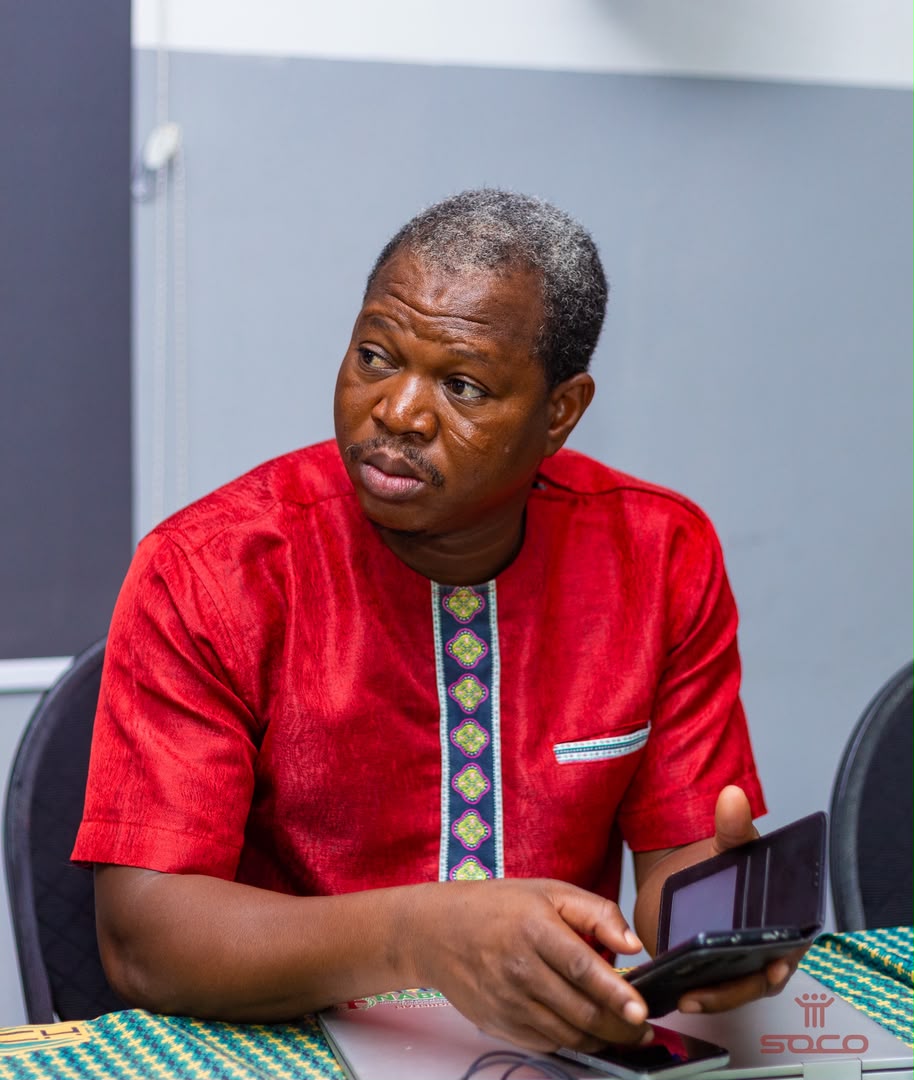
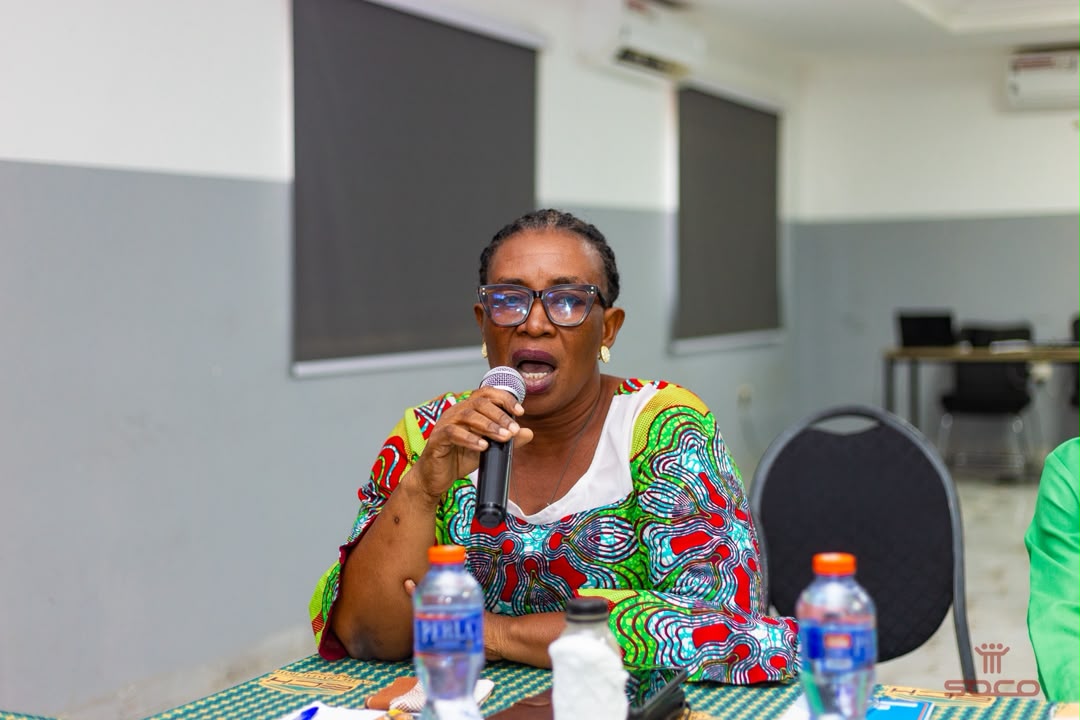
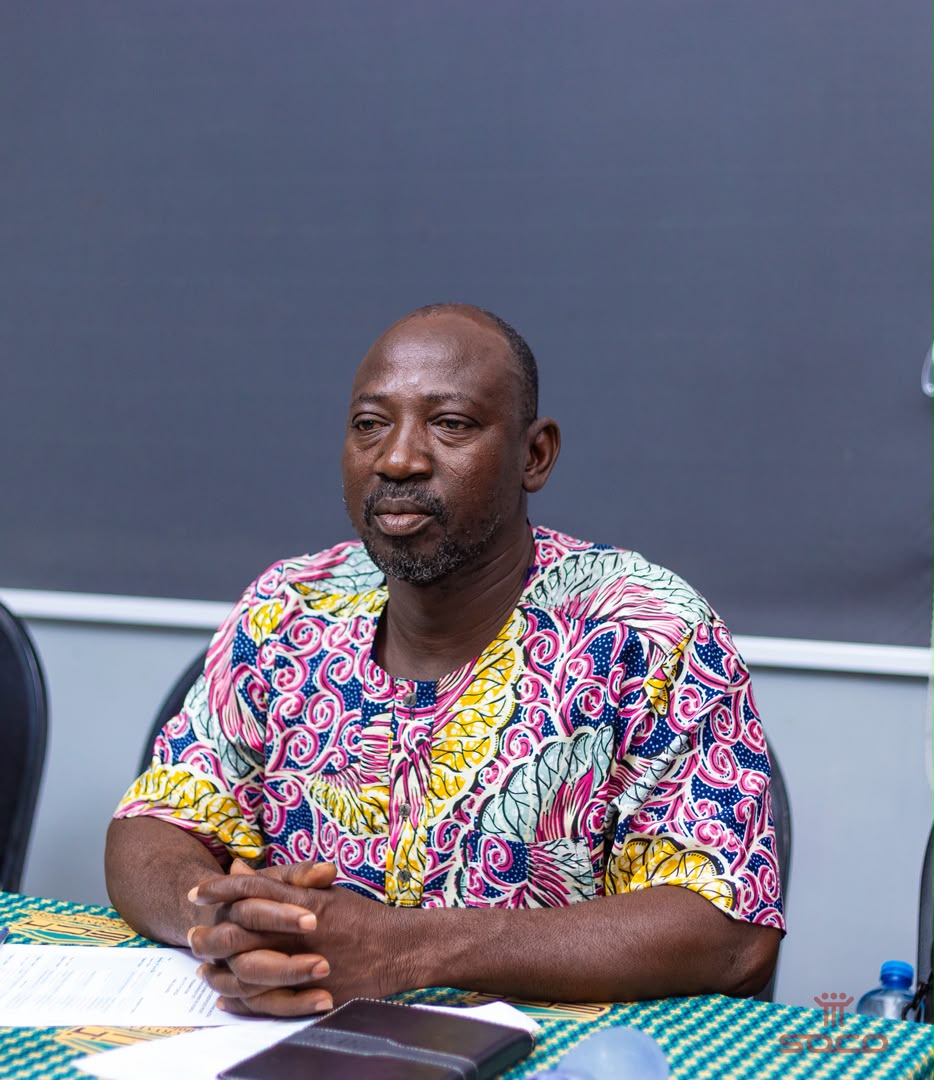
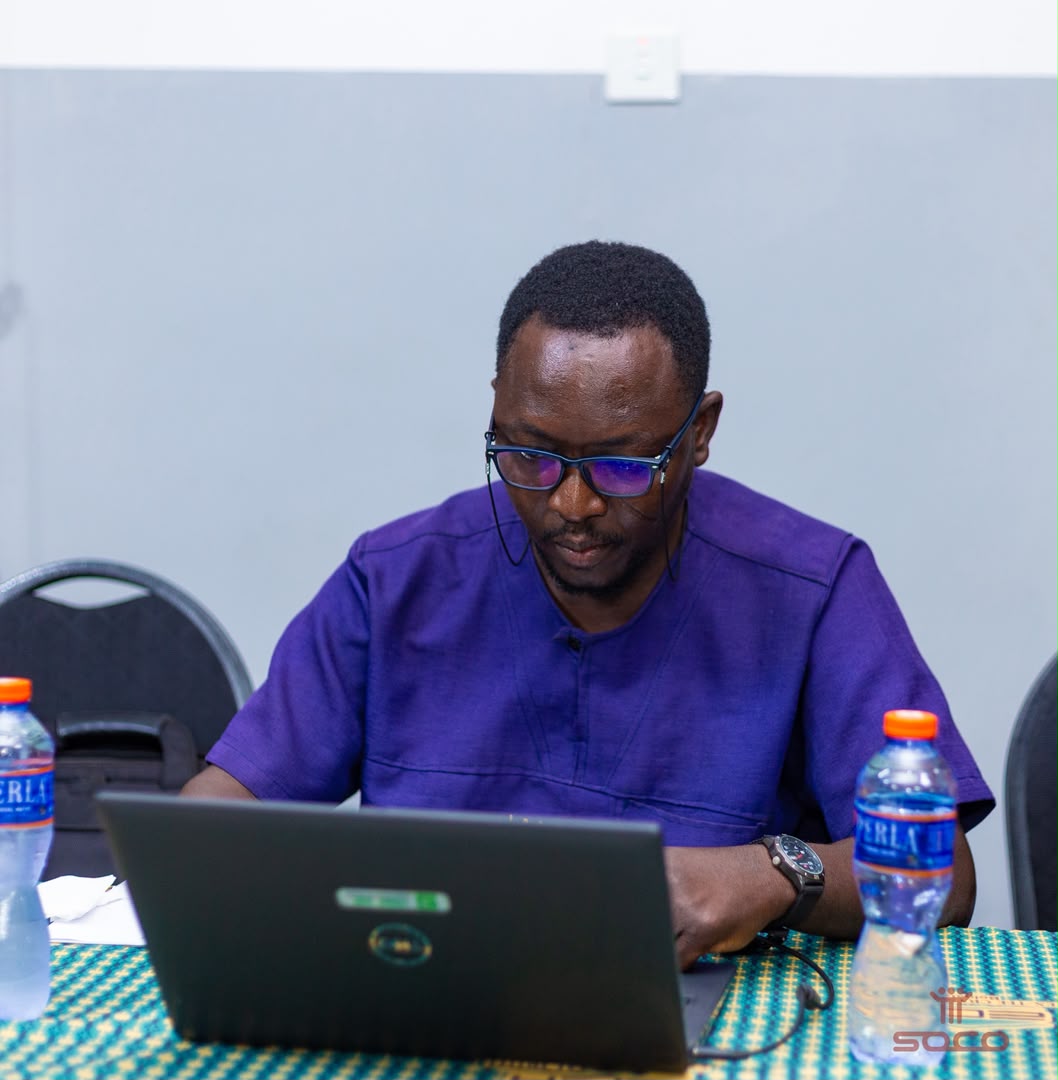

Welcoming participants to the Upper East zonal workshop, the Upper East Regional Coordinating Director, Alhaji Mohammed Issahaku, emphasised that sustainable development cannot be achieved by individual institutions working in isolation. He noted that the development challenges confronting communities are often interconnected and require government institutions, Development Partners and other stakeholders to work together, share information and coordinate their interventions. He described the Digital Coordination Platform as an important initiative that could strengthen development planning and improve the efficiency of resource allocation across beneficiary districts.
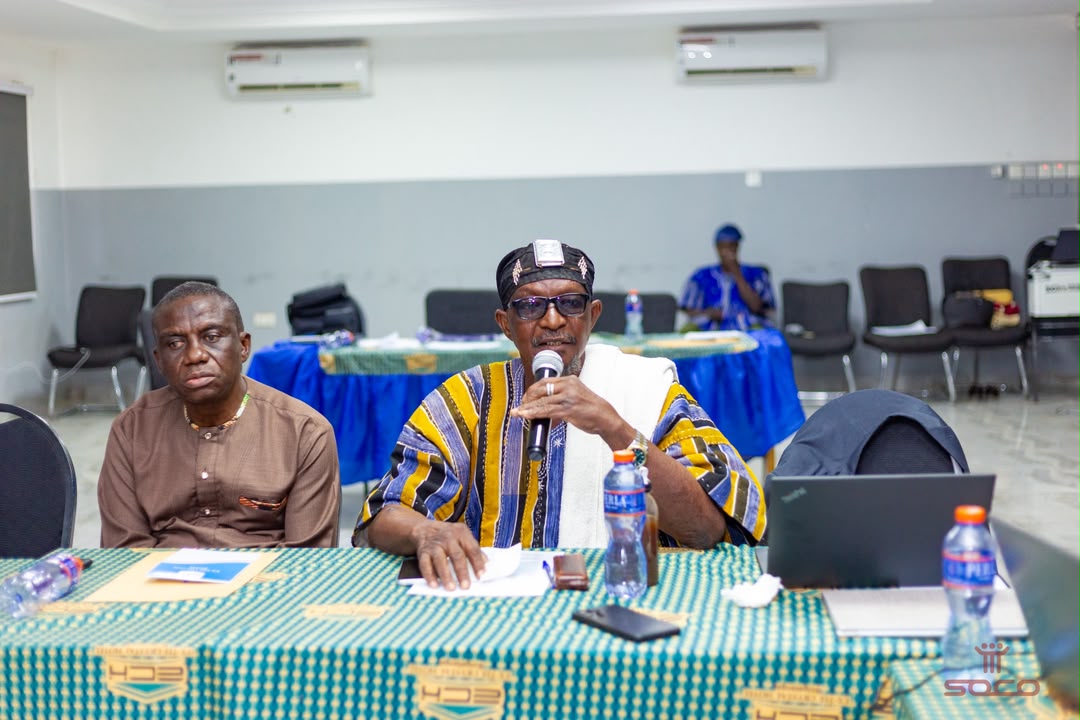
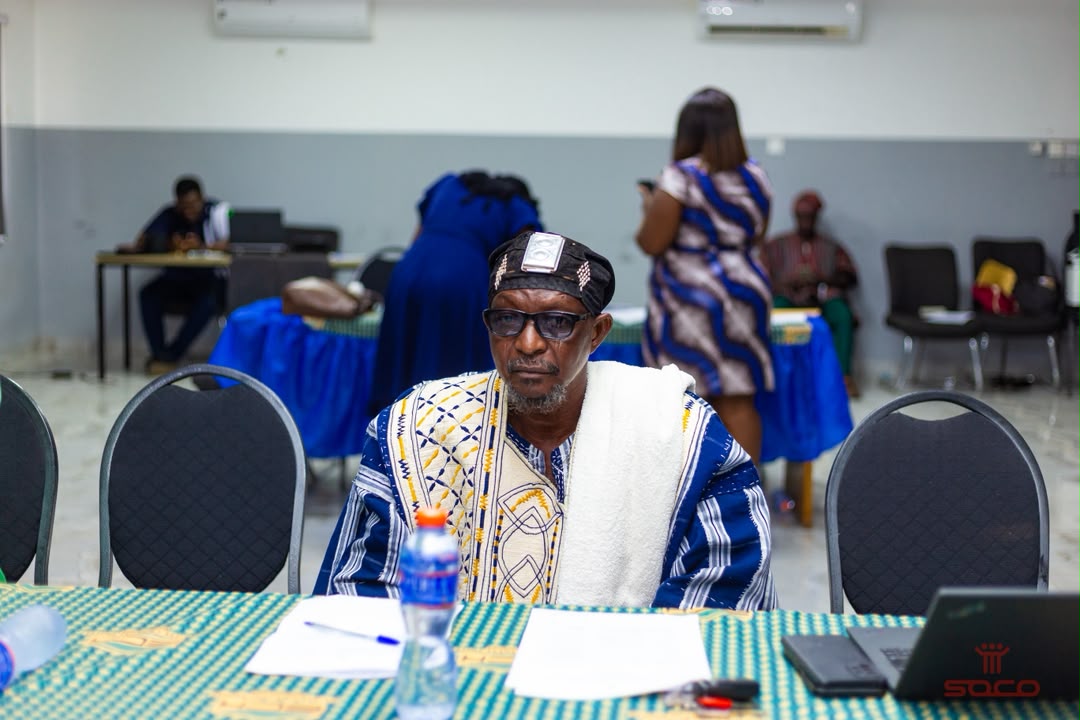
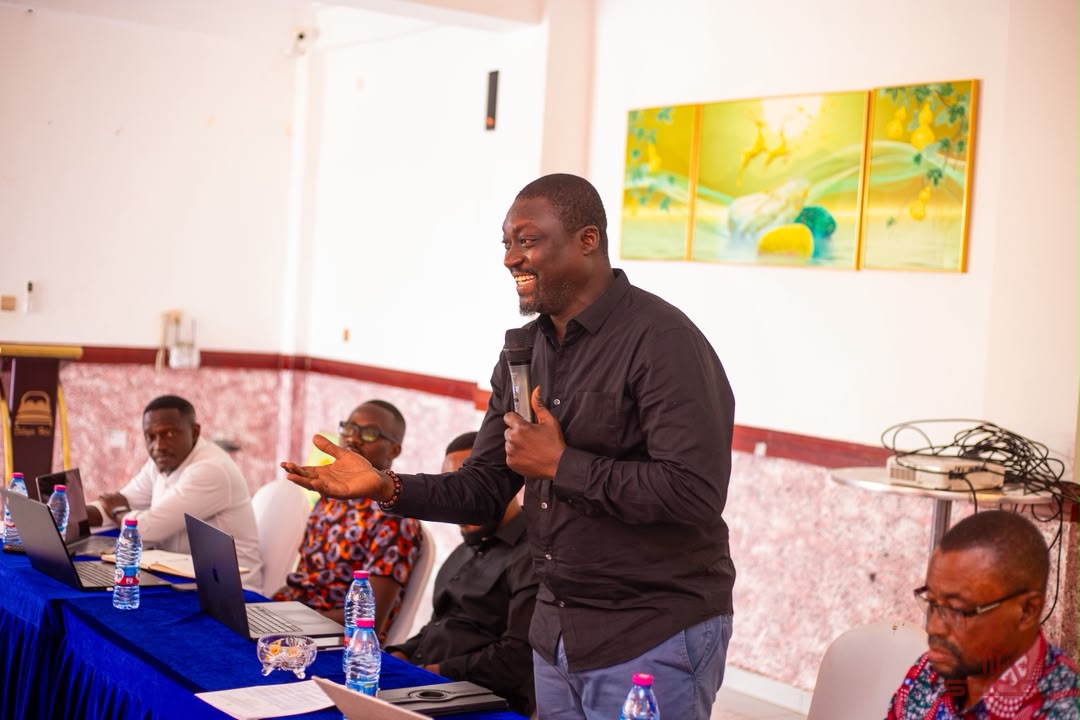
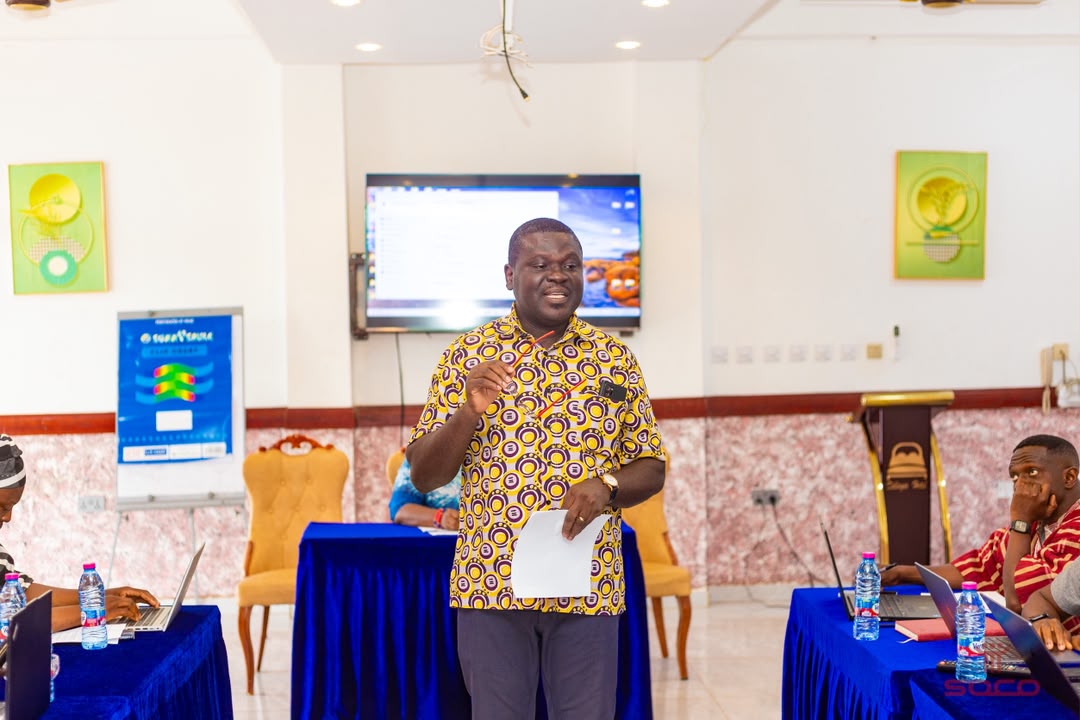
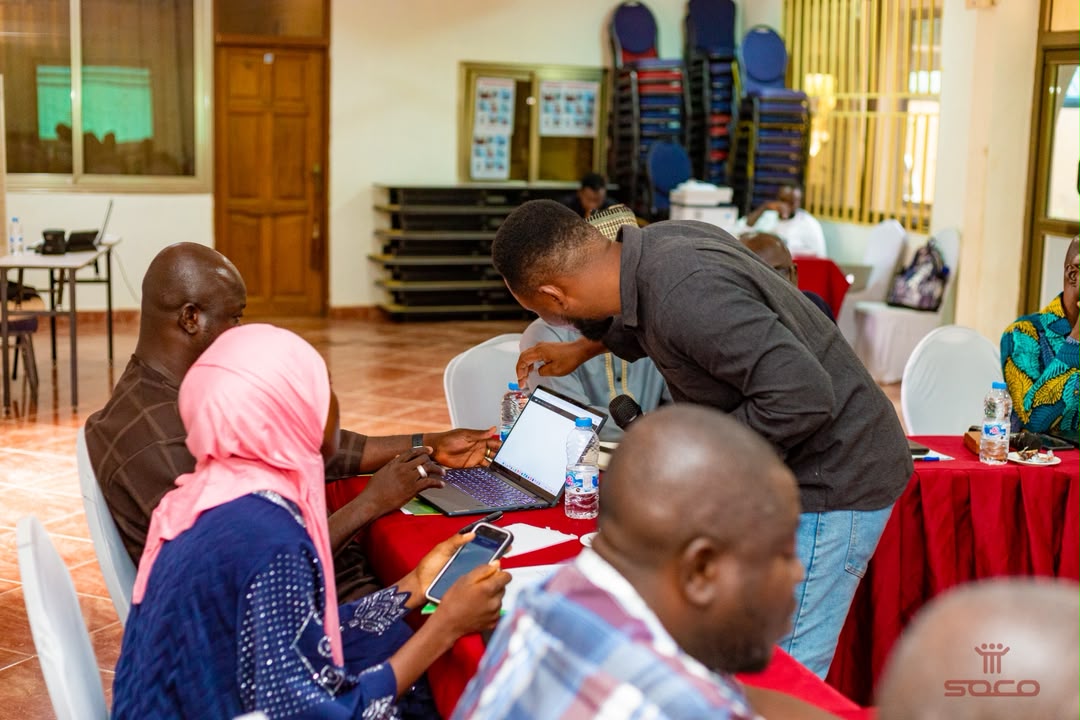
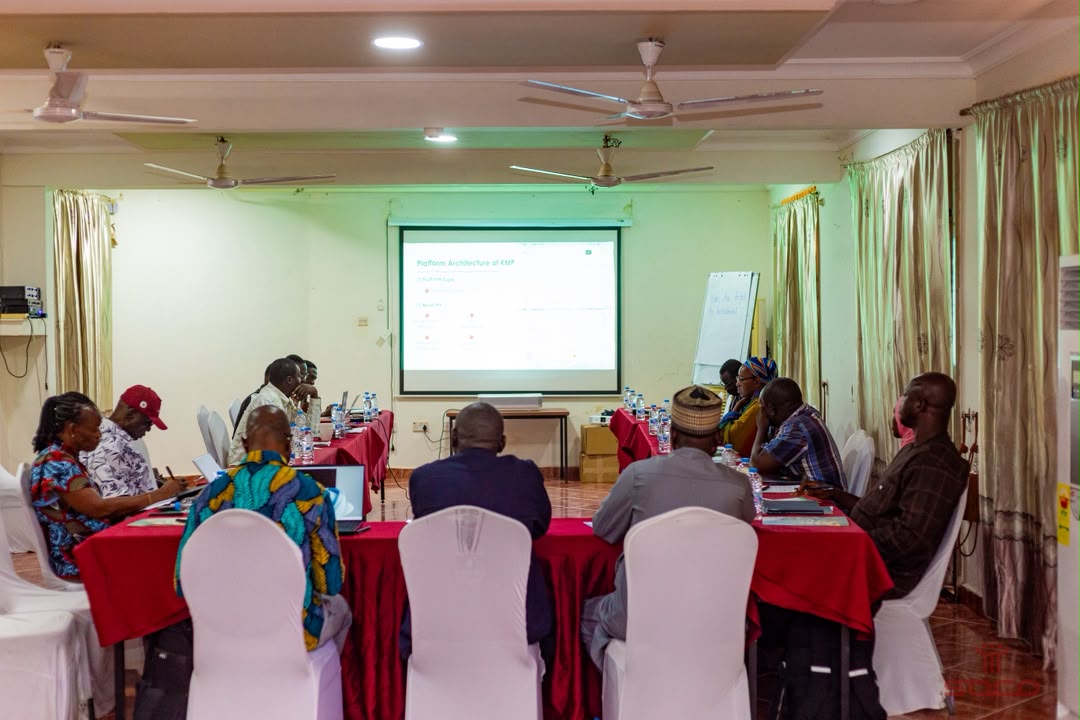
The technical orientation was led by Richard Adofo Ansong, the Management Information Systems Specialist for the SOCO Project, who introduced participants to the vision behind the Digital Coordination Platform and its role within the broader SOCO implementation framework. Working alongside him, Samuel Hunpevi, a World Bank Consultant and Developer of the platform, guided participants through its proposed features while facilitating discussions on how the system can best respond to the operational needs of its future users. The sessions encouraged participants to reflect on existing coordination challenges, identify opportunities for improvement and provide practical recommendations that will inform the next stage of the platform’s development.
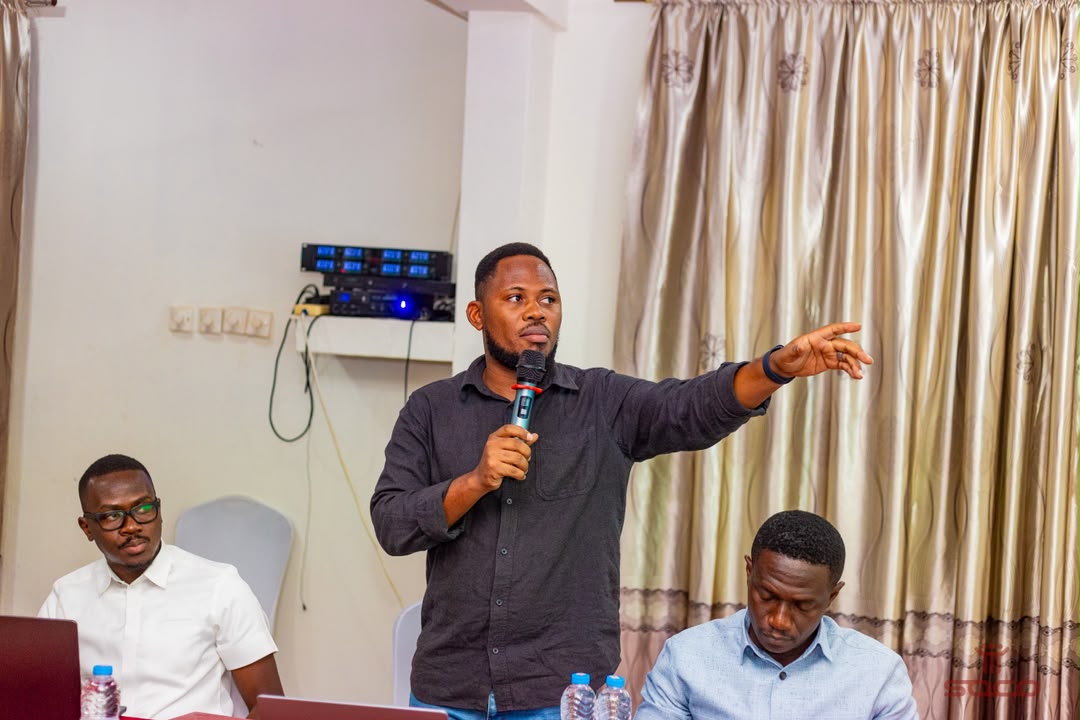

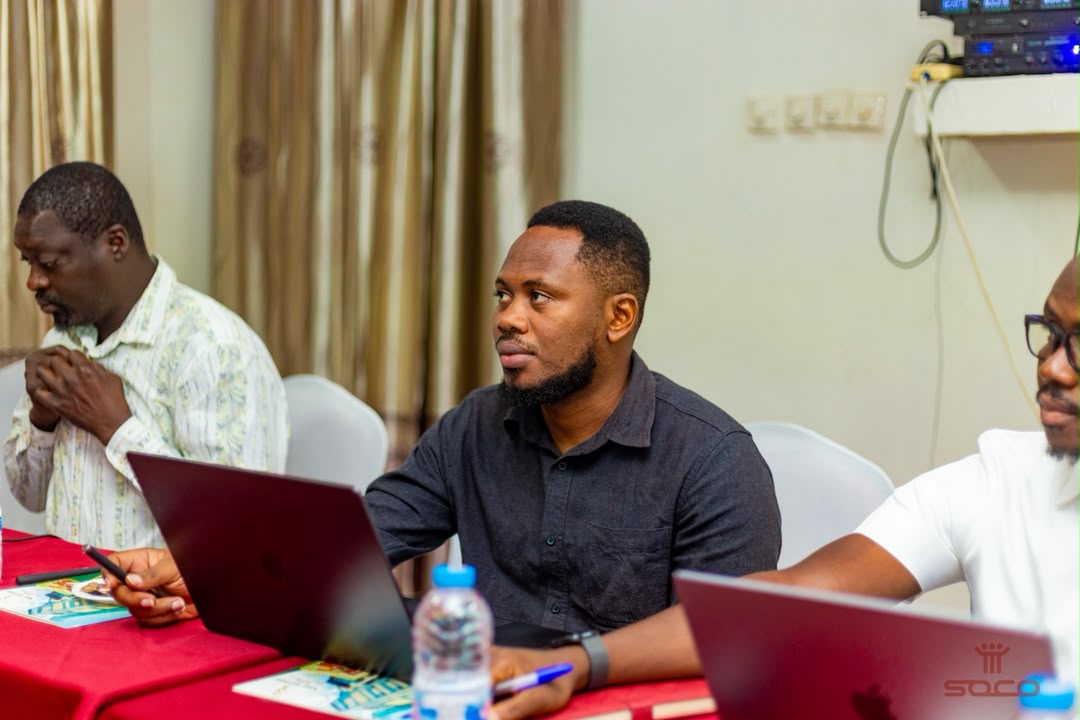
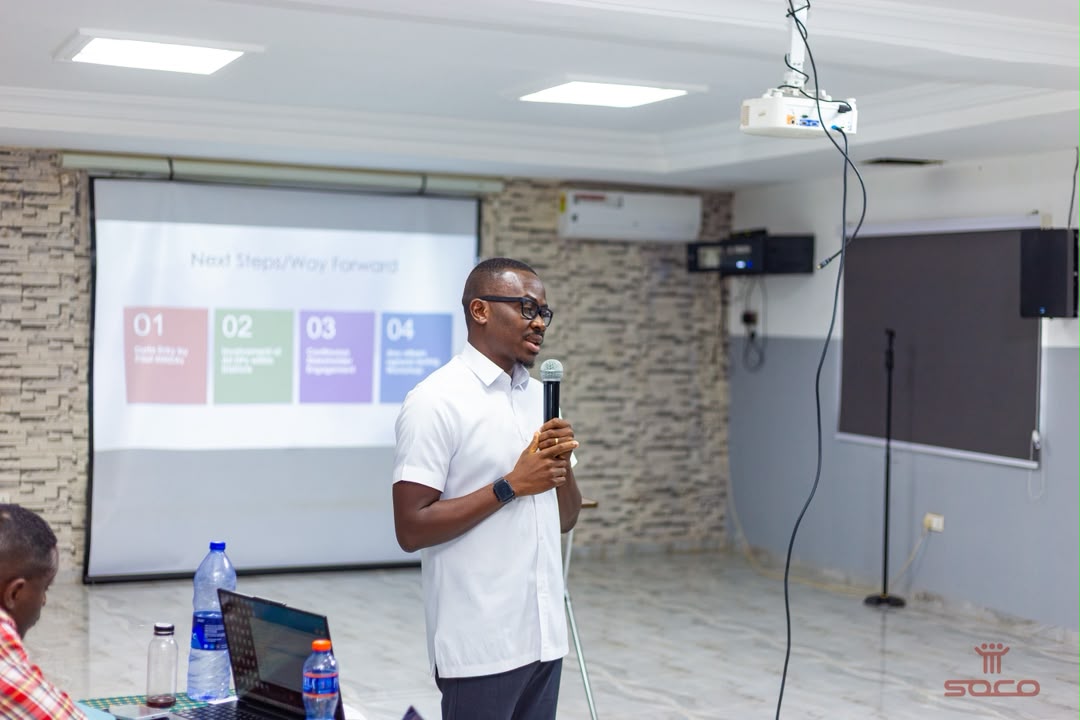
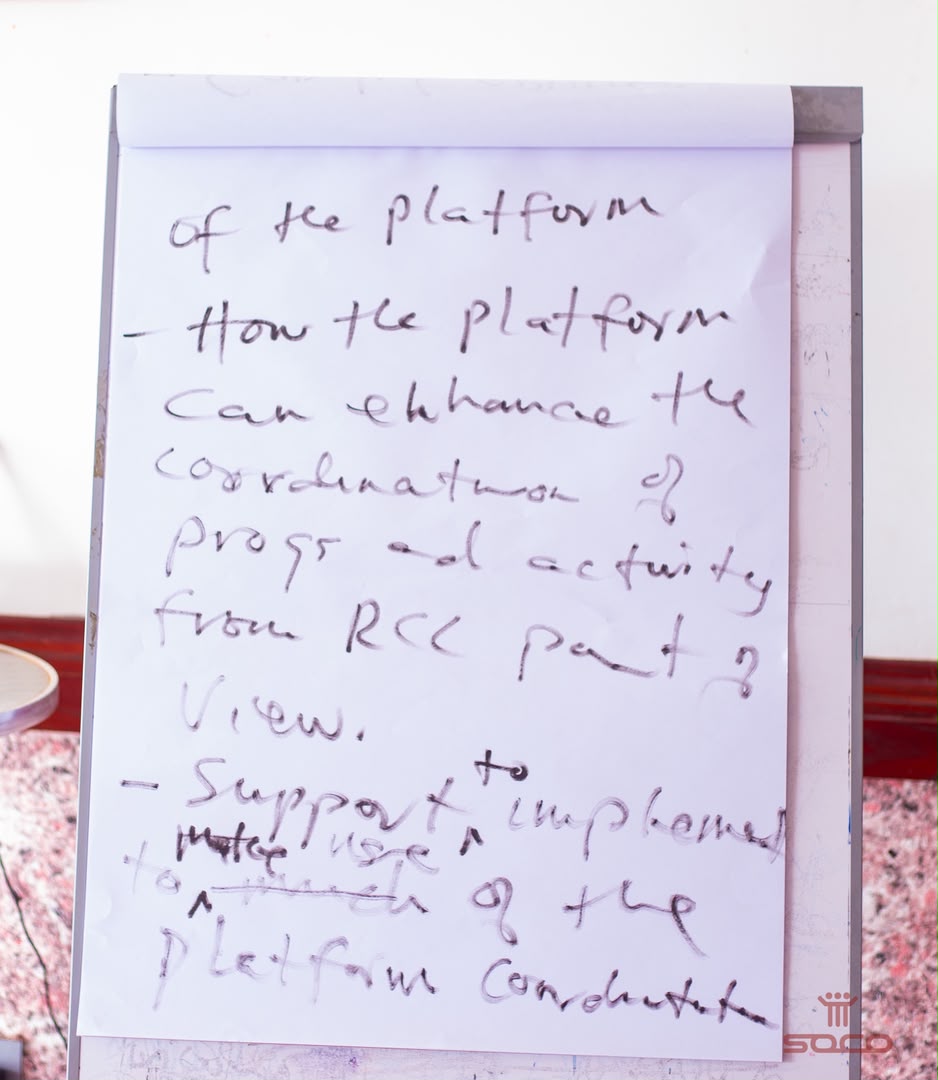
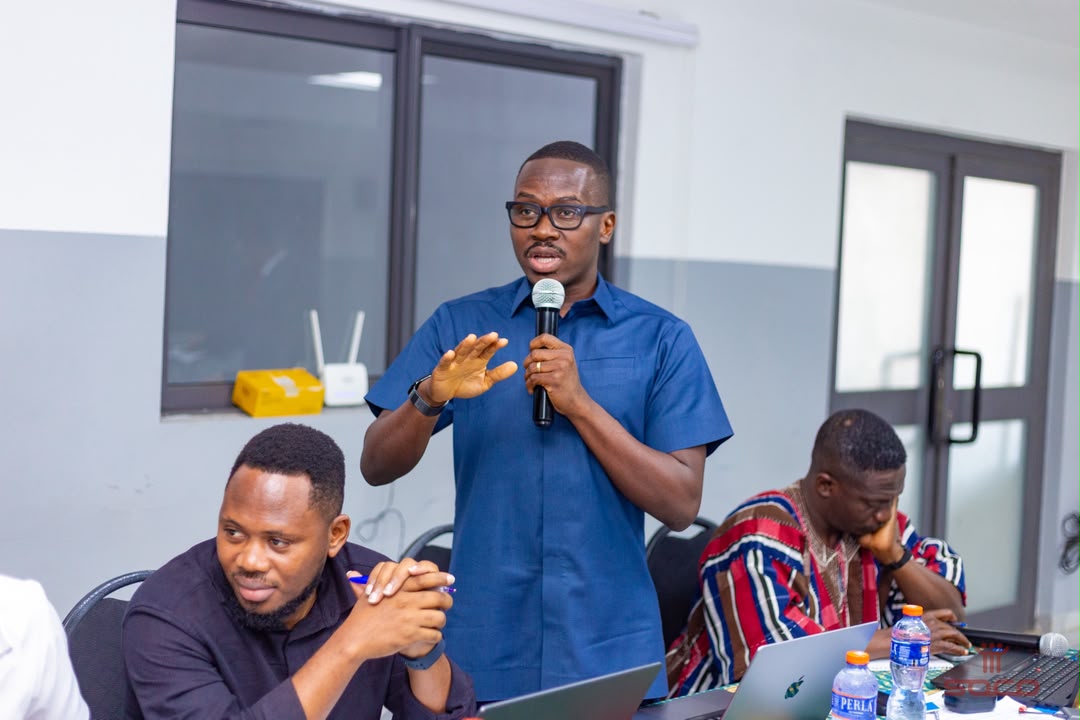
The workshops also benefited from the expertise of Paul Adu-Mensah, Acting Head of Information Technology at the Research, Statistics and Information Management (RSIM) Directorate of MLGCRA, and Porekuu Peter Francis Xavier, Chief Analyst at the National Development Planning Commission (NDPC). Their contributions highlighted the importance of aligning digital innovation with government systems and development planning processes, while reinforcing the value of reliable data in supporting evidence-based decision-making and coordinated development programming.

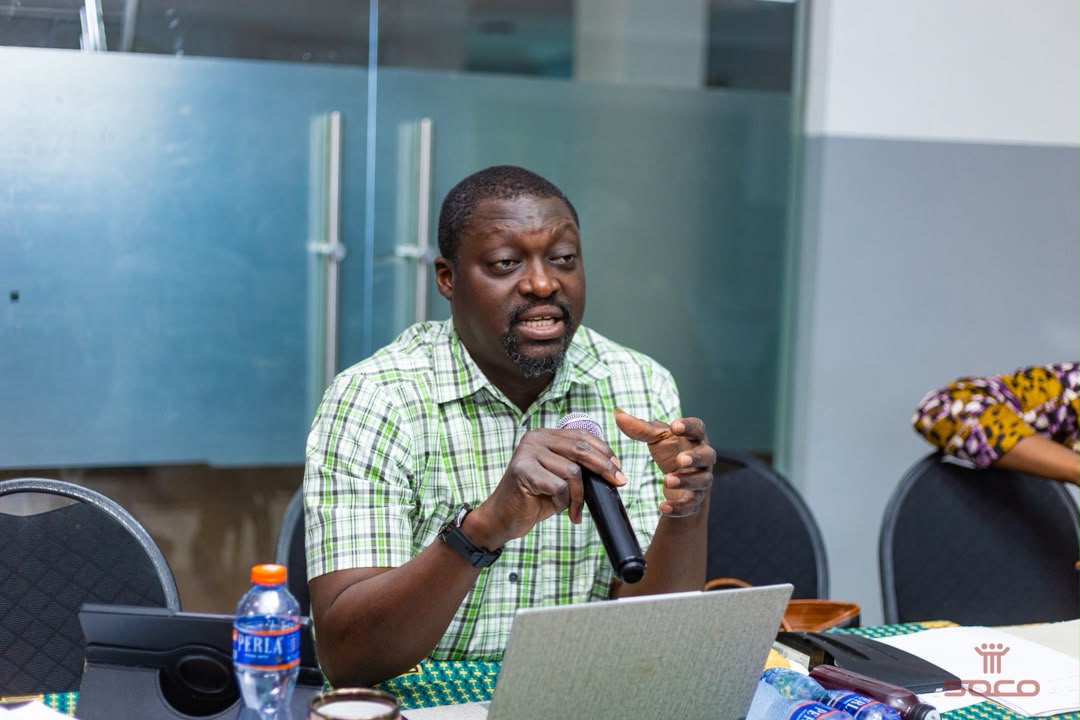
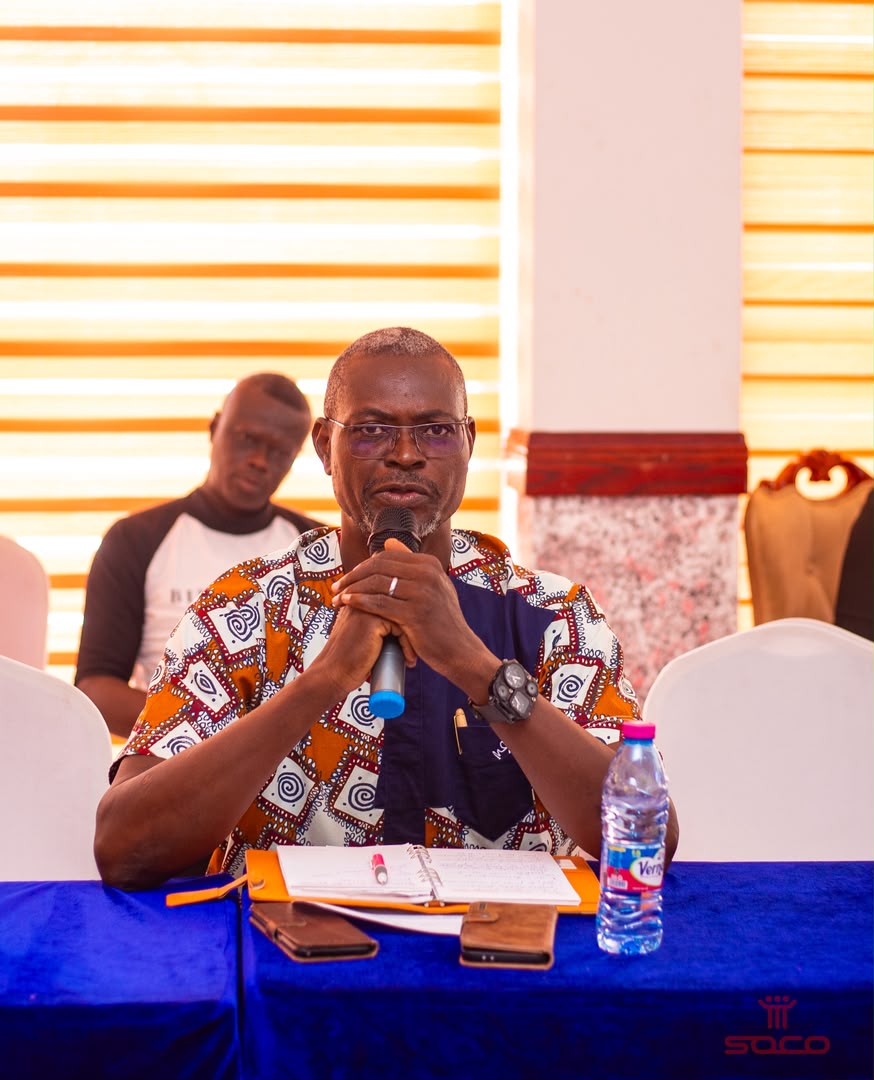
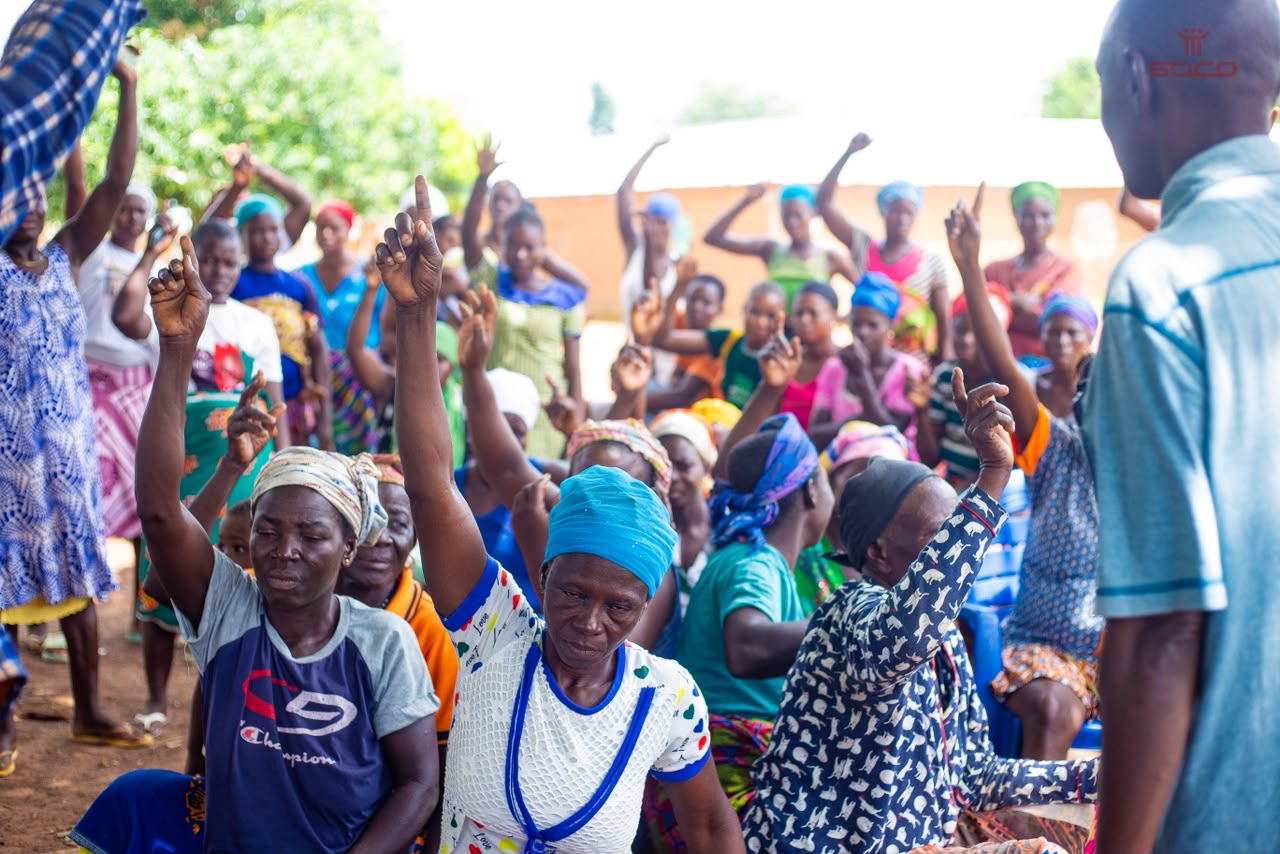
Beyond the technical discussions, the workshops provided an opportunity for Development Partners and participating organisations to share information about their ongoing programmes and areas of operation. These exchanges highlighted the diversity of development interventions across the project regions while reinforcing the need for a common platform that promotes collaboration, transparency and better coordination among stakeholders. Participants also explored how the platform could support stronger planning by linking partner interventions with Community Action Plans, making it easier to identify priority needs, reduce duplication of effort and improve the targeting of development investments.
The Digital Coordination Platform will first be piloted in the Yendi Municipal Assembly, the Bongo District Assembly, and the Wa West District Assembly. Lessons from these pilot districts will help refine the platform, strengthen user experience and demonstrate its value before wider implementation.