How the SOCO Project is laying the foundation for a Digital Coordination Platform to strengthen development planning, collaboration and impact across Northern Ghana.
Every year, government, development partners and civil society organisations invest significant resources to improve people’s lives. Roads are constructed, schools are rehabilitated, health facilities are equipped, livelihoods are supported, and communities gain access to essential services. Yet, behind every successful development intervention lies an important question that is often overlooked: How well are these efforts coordinated?
Development is rarely the responsibility of a single institution. It requires governments, development partners, non-governmental organisations and community stakeholders to work towards a common goal. When these actors have access to reliable information and can coordinate their activities, development investments are more likely to complement one another, respond to local priorities and deliver lasting impact.
However, effective coordination remains a challenge in many developing contexts. Development actors often operate with different planning systems, reporting mechanisms and datasets. District authorities may not always have complete information on the organisations working within their jurisdictions, the communities being supported or the types of interventions already underway. As a result, similar projects may be unknowingly implemented in the same communities, while equally deserving areas receive little or no attention. Opportunities to pool resources, build partnerships and maximise development outcomes can also be missed.
For local governments, this challenge extends beyond coordination. Limited access to comprehensive and timely information makes it more difficult to plan strategically, allocate resources efficiently and ensure that development investments respond to the priorities of the communities they are intended to serve.
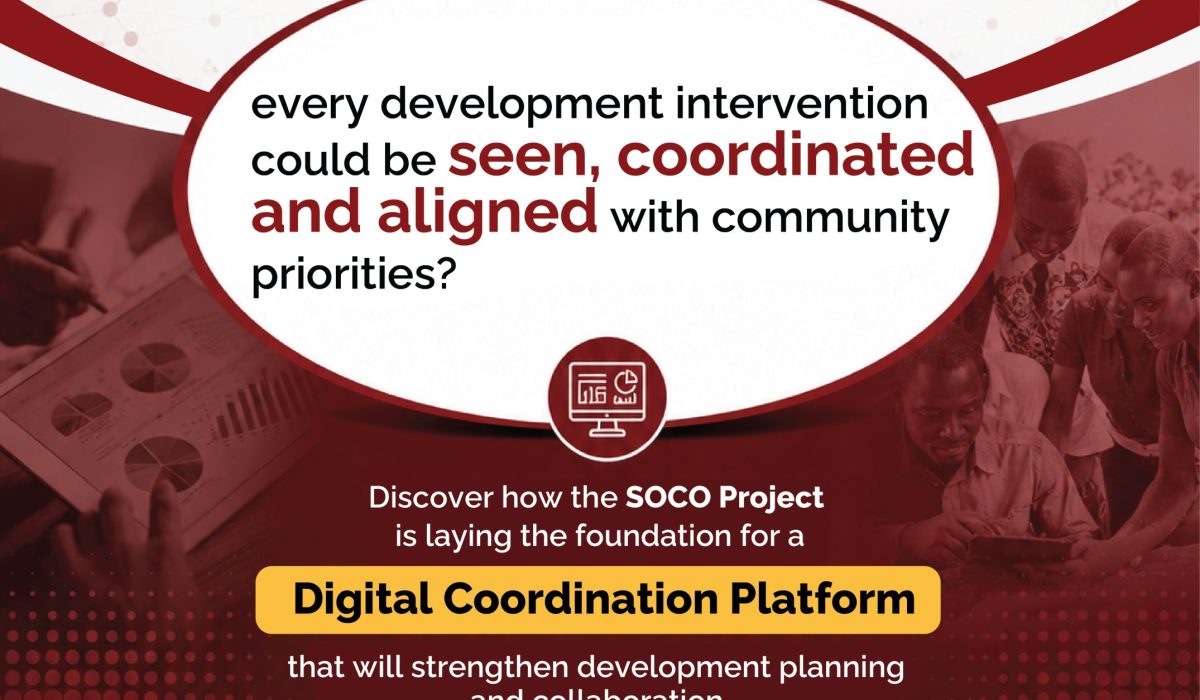
Recognising the importance of addressing this gap, the Gulf of Guinea Northern Regions Social Cohesion (SOCO) Project, under the Ministry of Local Government, Chieftaincy and Religious Affairs (MLGCRA), together with the National Development Planning Commission (NDPC) and with support from the World Bank, is developing a Digital Coordination Platform (DCP) to strengthen how development interventions are coordinated across Northern Ghana.
The platform is envisioned as more than a digital tool. It is being developed as a shared coordination system that will enable Metropolitan, Municipal and District Assemblies (MMDAs), Regional Coordinating Councils (RCCs), Development Partners and other institutions to access reliable information on development interventions within participating districts. By bringing this information together in one place, the platform is expected to improve collaboration, strengthen planning and support more informed decision-making.
At the heart of the initiative is a simple but important principle: better information leads to better development decisions.
The Digital Coordination Platform is expected to provide a centralised space where information on development partners, ongoing and planned interventions, funding sources and implementation locations can be captured, visualised and analysed. Rather than relying on fragmented information held by different organisations, stakeholders will have access to a shared picture of development activities across participating districts, enabling them to identify opportunities for collaboration, reduce duplication of effort and improve the efficiency of development investments.
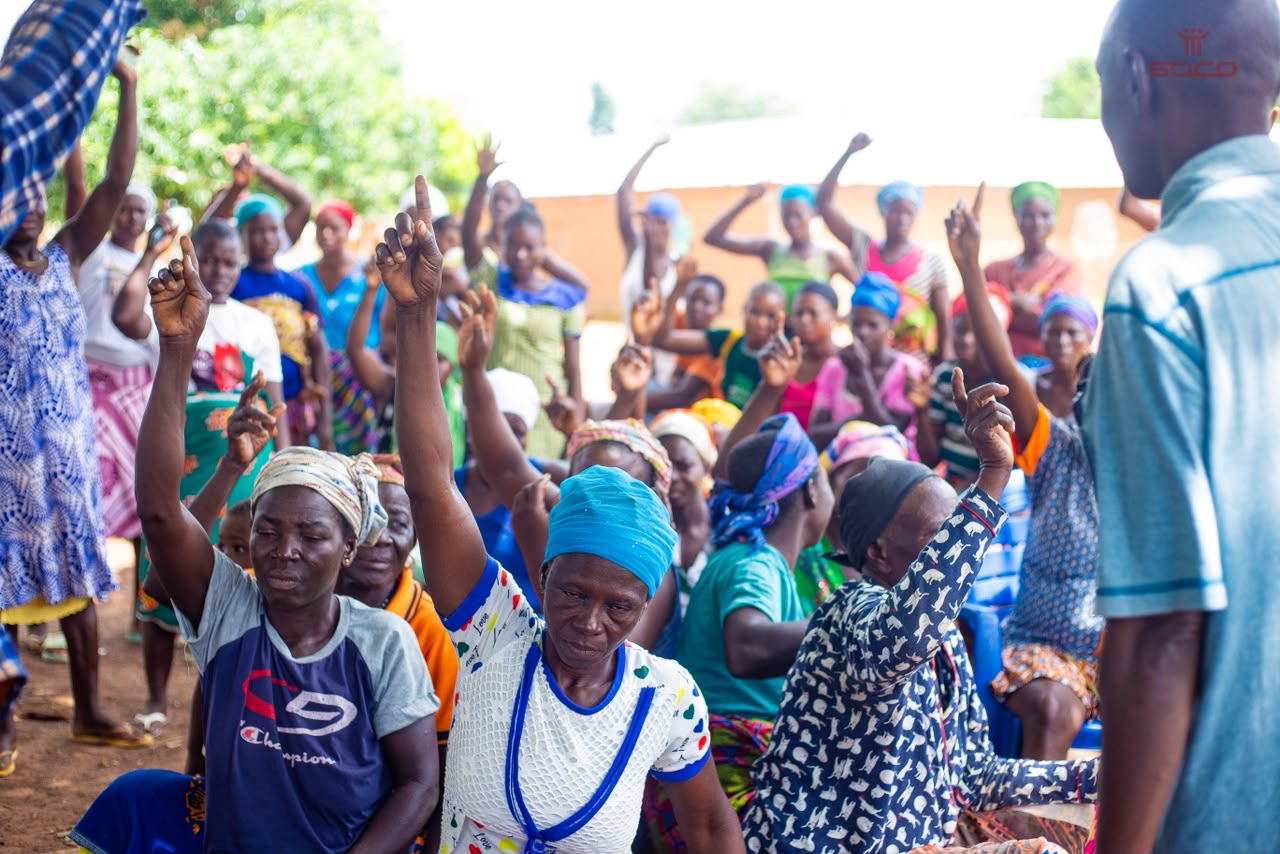
A key feature of the platform is its alignment with the SOCO Project’s Community Action Planning approach. Community Action Plans (CAPs) are developed through participatory engagement with communities and reflect the development priorities identified by community members themselves. By linking development interventions directly to these Community Action Plans, the platform is expected to help ensure that investments are guided by locally identified needs rather than isolated organisational priorities. This will strengthen the connection between planning and implementation while promoting a more coordinated approach to community development.
Beyond improving coordination, the platform is also expected to strengthen monitoring, reporting and accountability. With access to more comprehensive development data, District Assemblies will be better positioned to monitor interventions taking place within their jurisdictions, identify underserved communities and support evidence-based planning. Regional Coordinating Councils will gain improved oversight of development activities across districts. At the same time, Development Partners will be able to align their programmes more effectively with district priorities and identify opportunities for partnership with other organisations. The availability of reliable data is also expected to support resource mobilisation, policy development and more transparent management of development investments.
The Digital Coordination Platform also reflects the SOCO Project’s commitment to innovation as an enabler of better development outcomes. Digital technologies are increasingly transforming the way governments and development institutions plan, monitor and evaluate programmes around the world. By investing in a digital coordination system, the project seeks not only to improve information management but also to strengthen institutional collaboration and create more responsive systems for local development planning.
Importantly, the platform is being developed as a long-term institutional solution rather than a stand-alone project output. Its implementation follows a phased approach that prioritises learning, continuous improvement and institutional ownership. The platform will initially be piloted in selected districts, allowing its functionality to be tested and refined before wider implementation. Lessons from these early stages will inform future enhancements, support integration with broader national digital systems and guide the gradual expansion of the platform based on demonstrated value and stakeholder demand.
This approach reflects the understanding that sustainable digital transformation is not achieved simply by introducing new technology. It requires strong institutions, effective collaboration and systems that respond to the practical realities of development planning and implementation.
For the SOCO Project, the Digital Coordination Platform represents an investment in all three.
Ultimately, the platform contributes directly to the project’s broader objective of strengthening resilience, promoting social cohesion and improving local governance across Northern Ghana. Better coordination enables institutions to maximise limited resources, improve service delivery and ensure that development interventions respond more effectively to community priorities. As partnerships become stronger and decisions become increasingly evidence-based, communities stand to benefit from development that is not only more coordinated, but also more inclusive, responsive and sustainable.
The SOCO Project is laying the foundation for a more connected, collaborative and data-informed approach to development, one that has the potential to strengthen partnerships, improve accountability and deliver lasting benefits for communities across Northern Ghana.