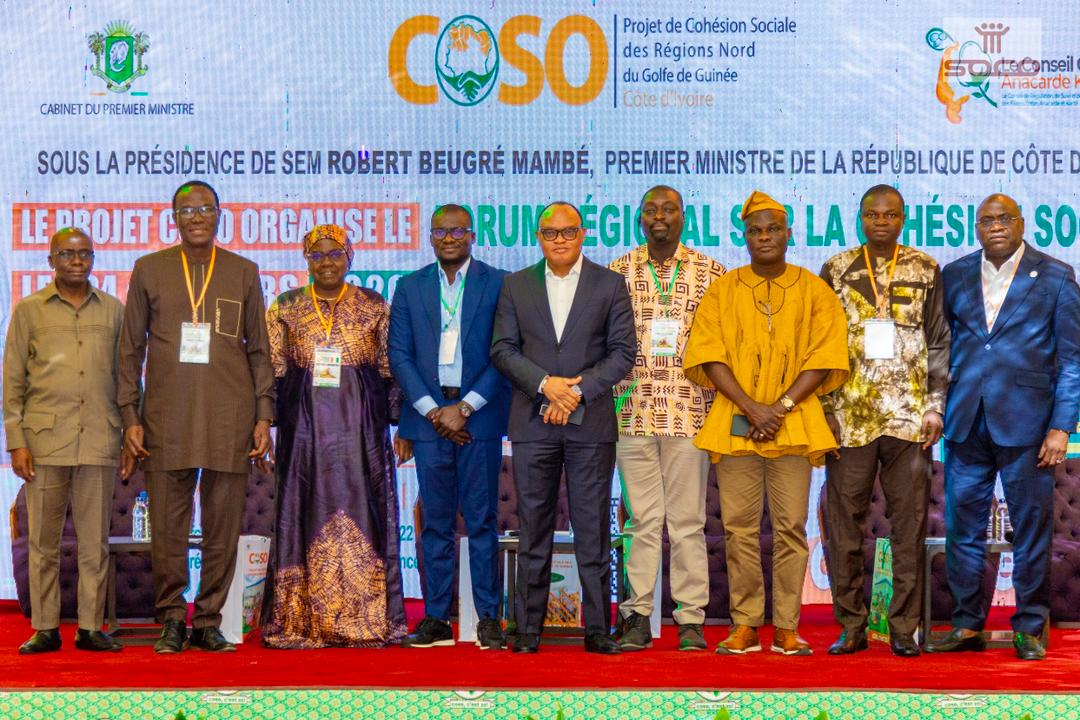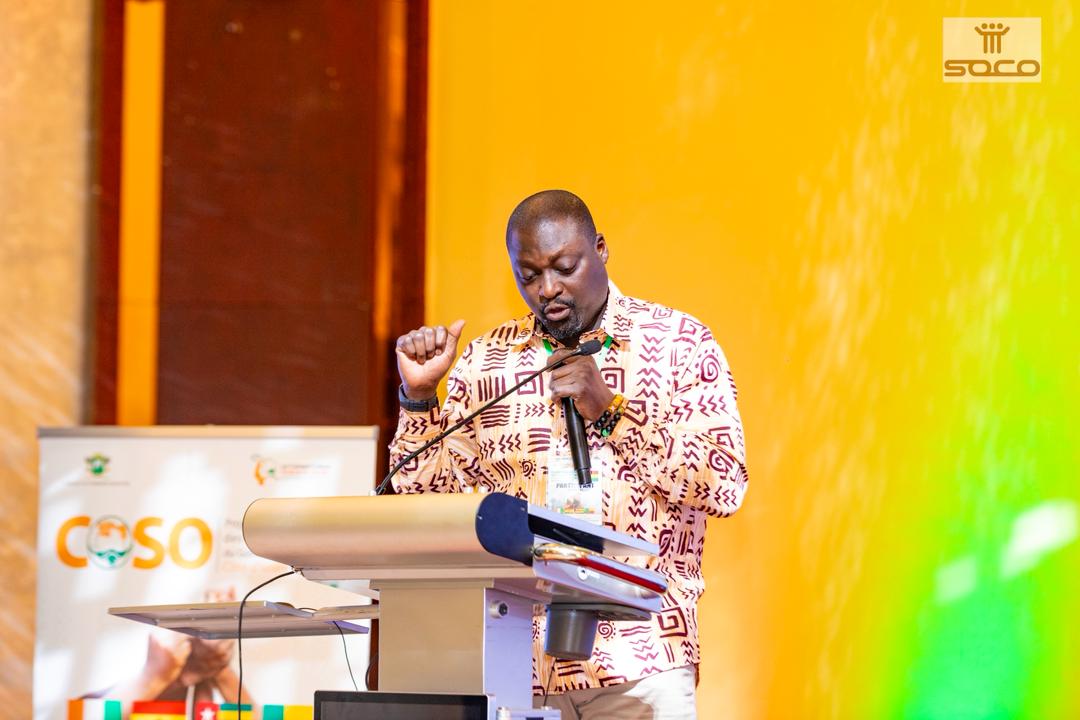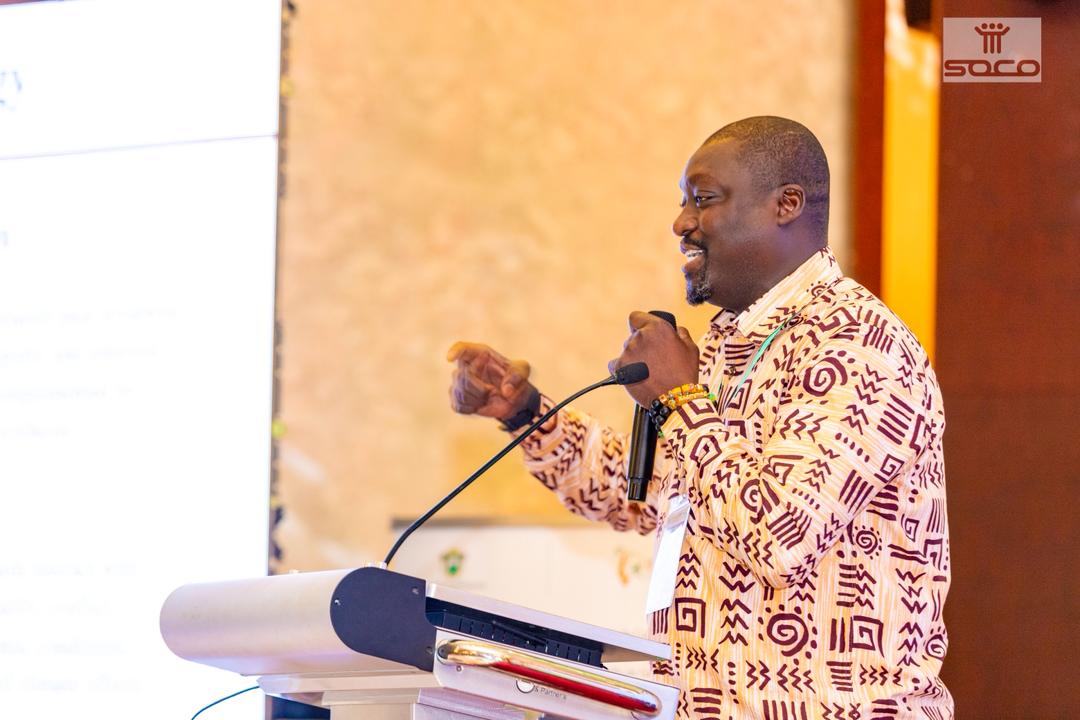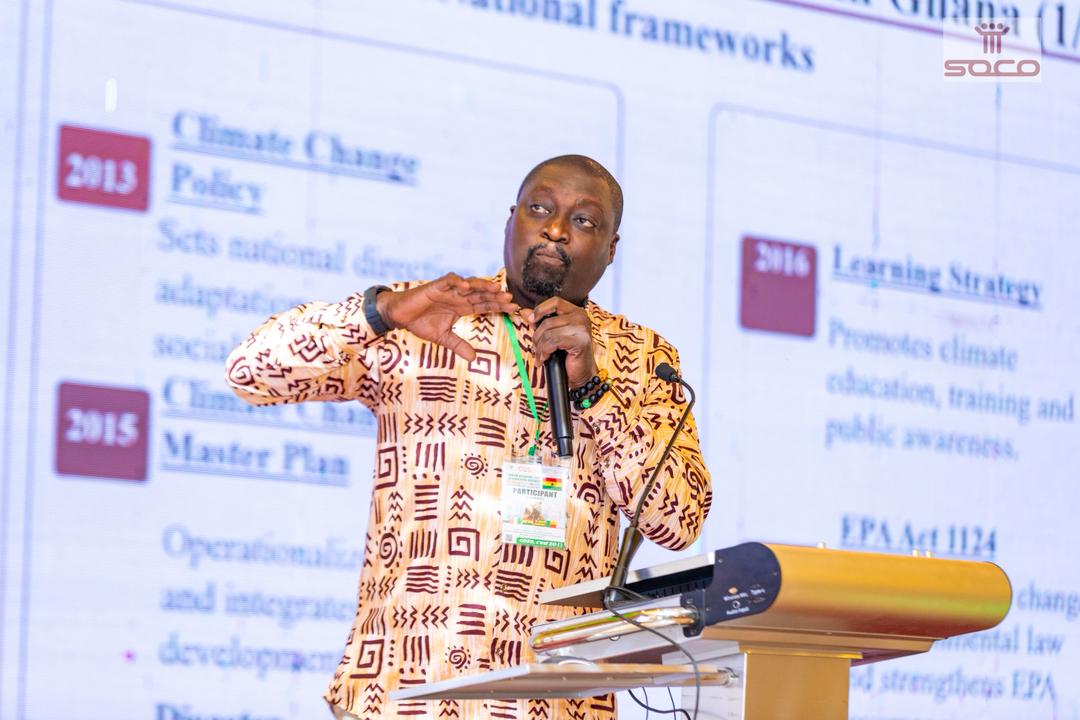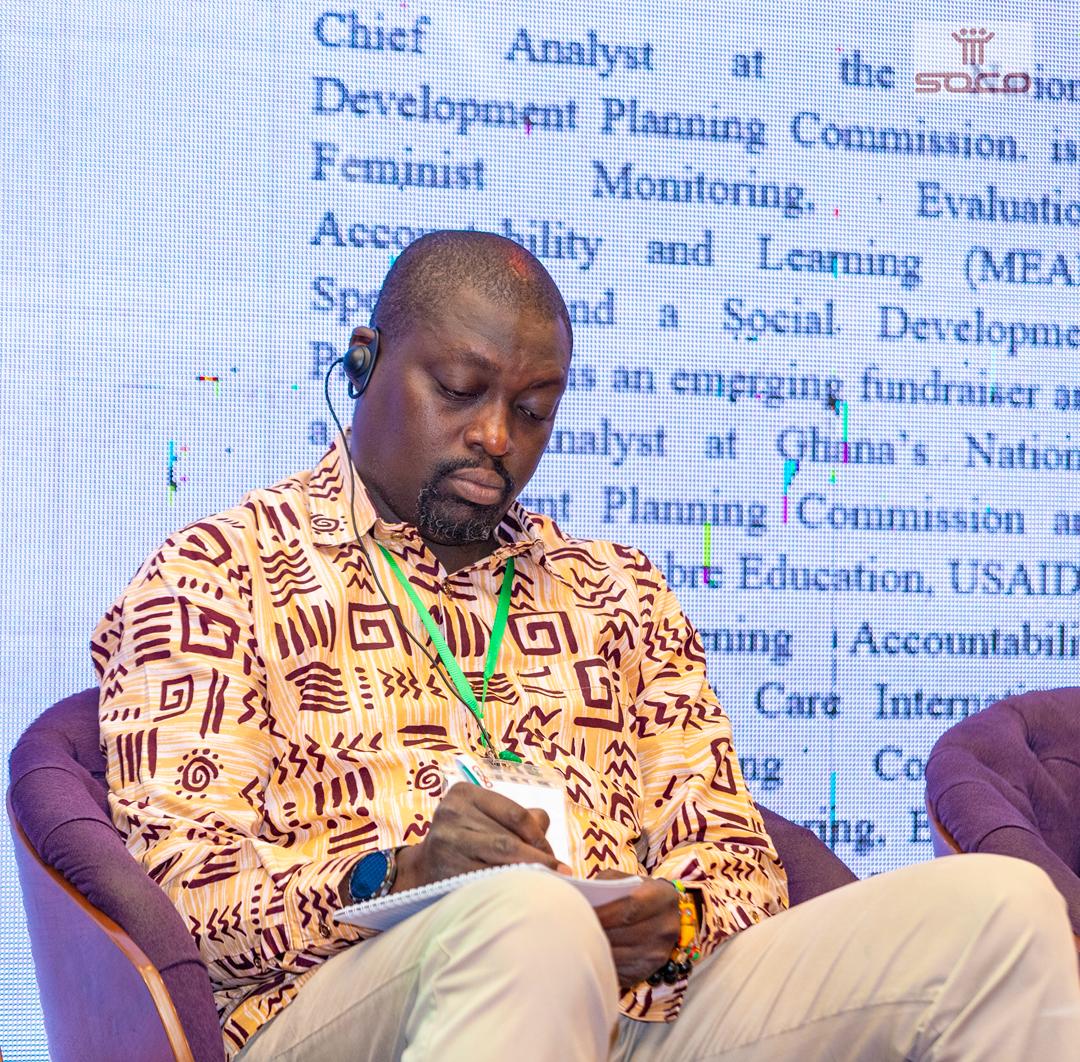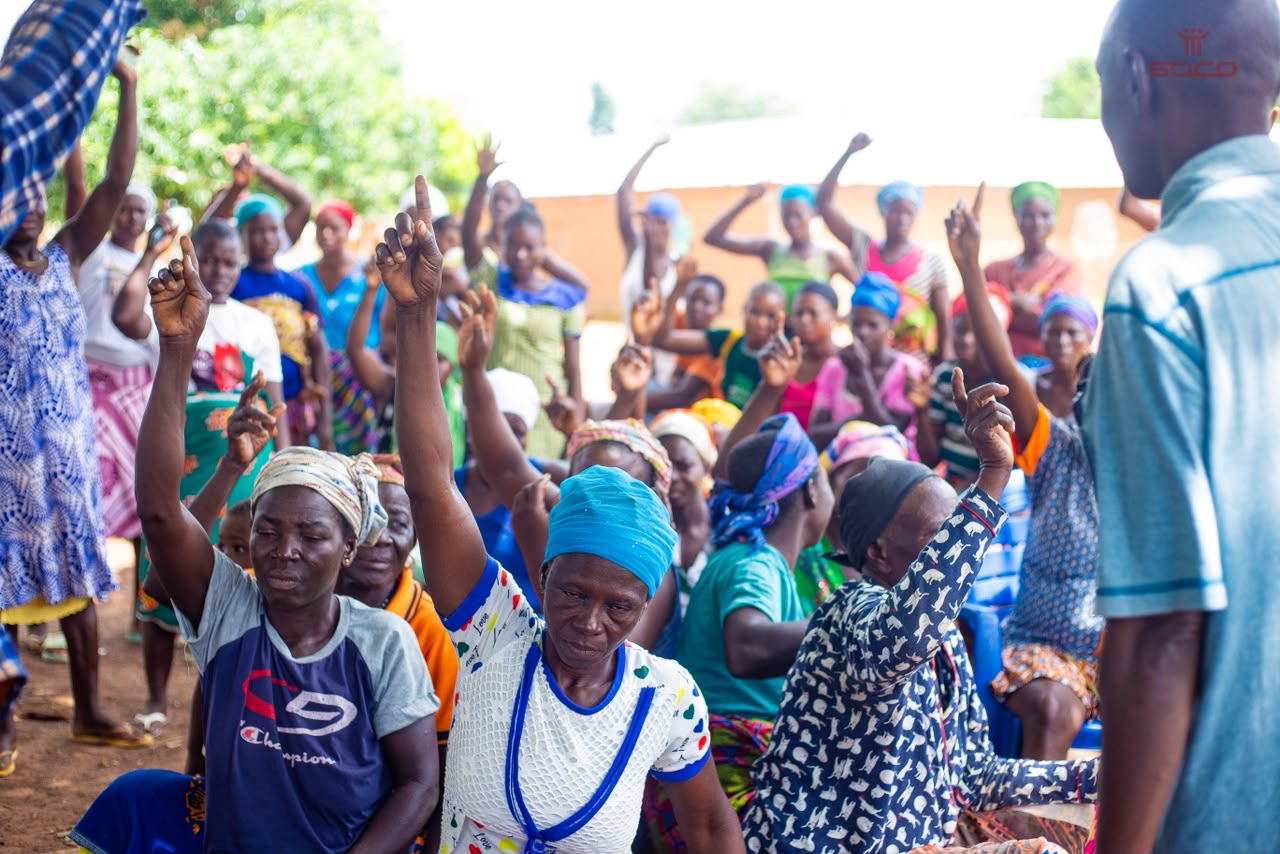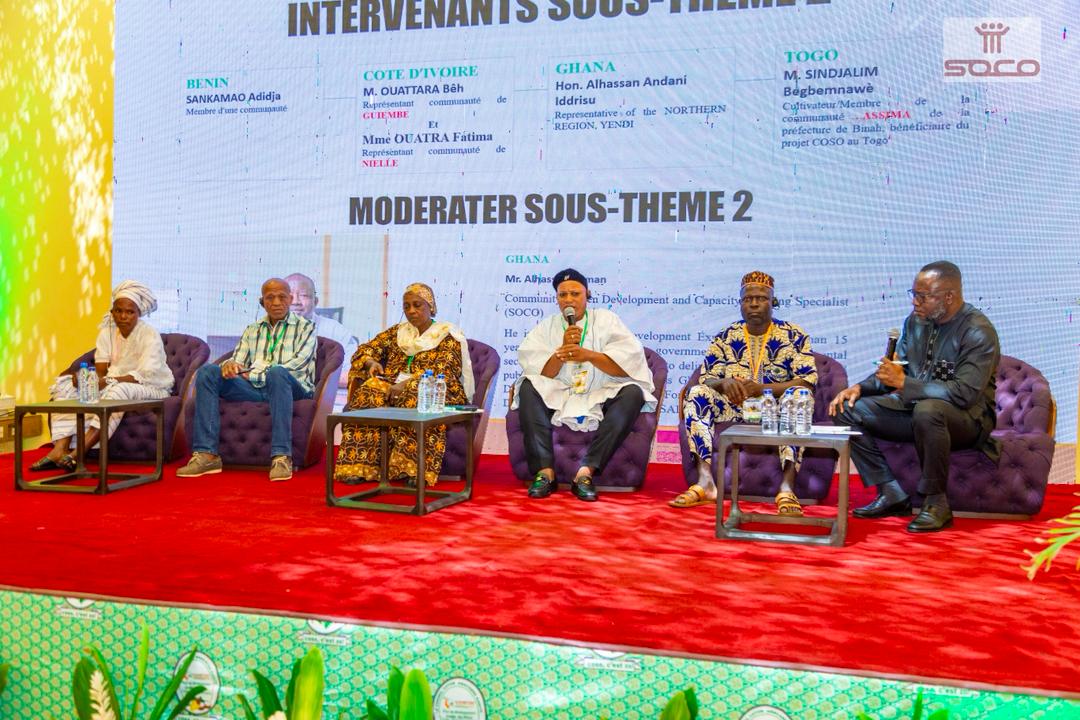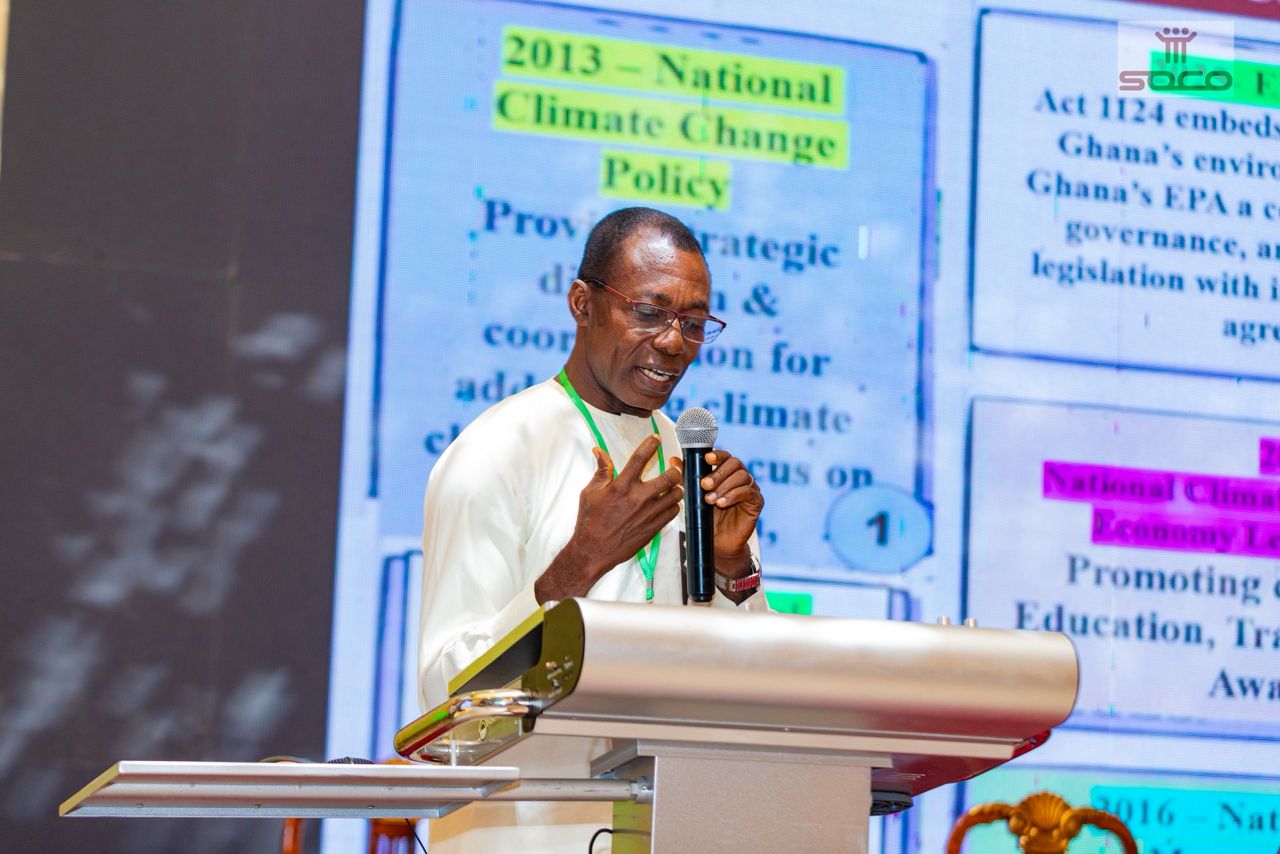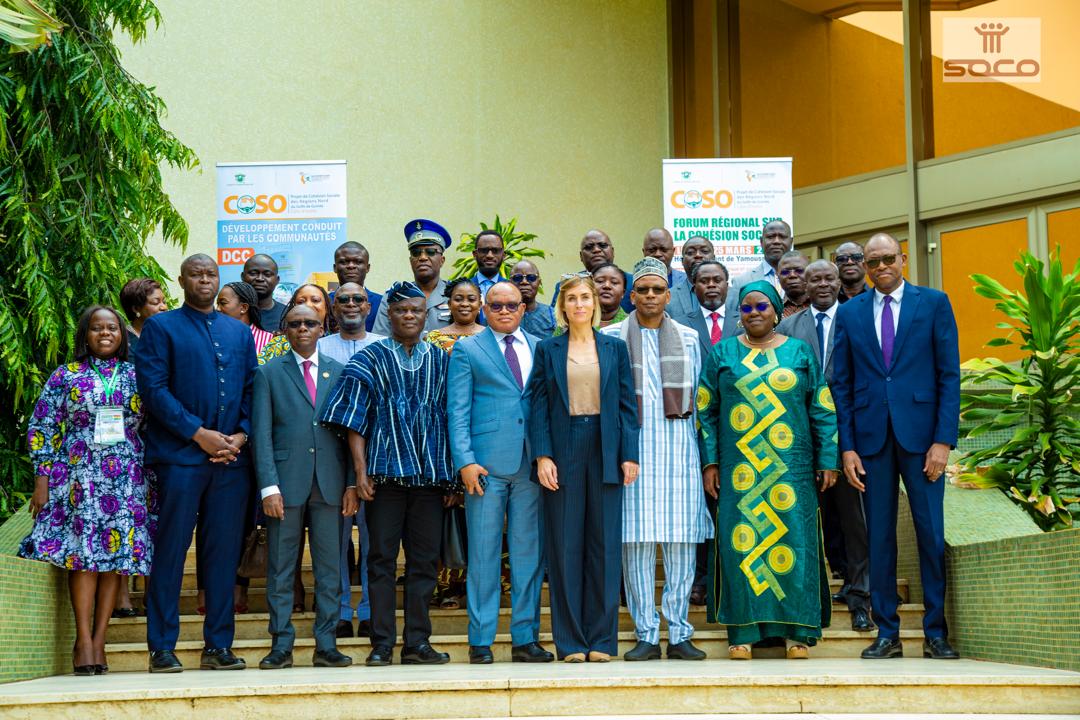
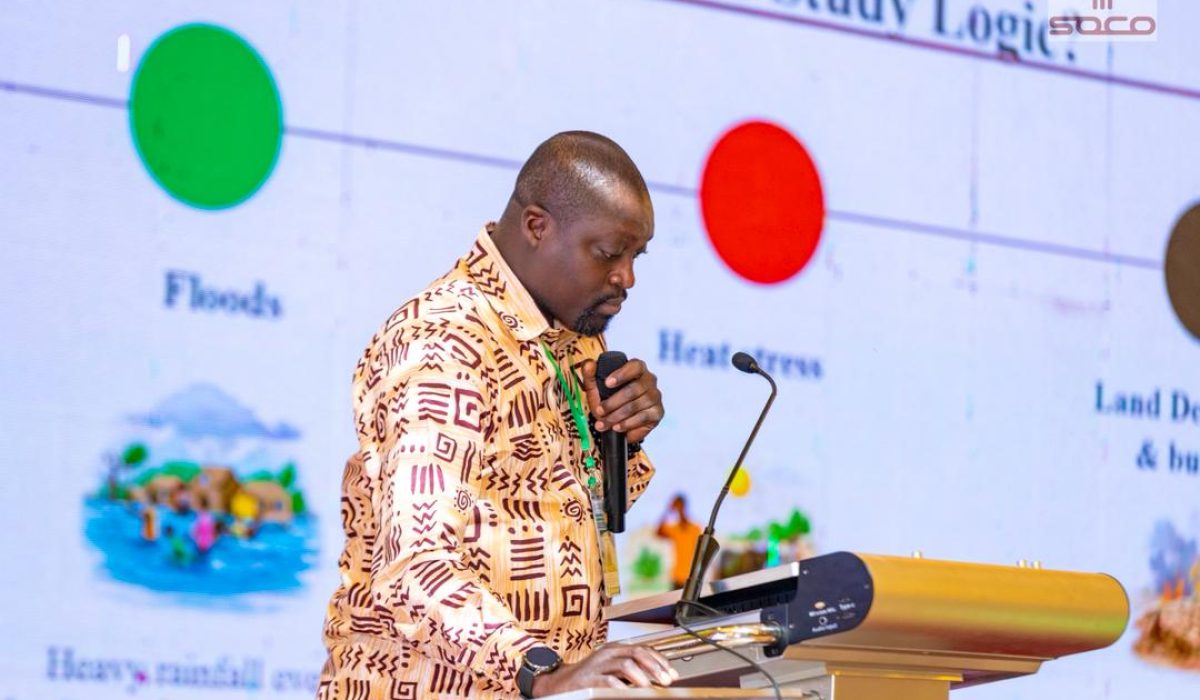
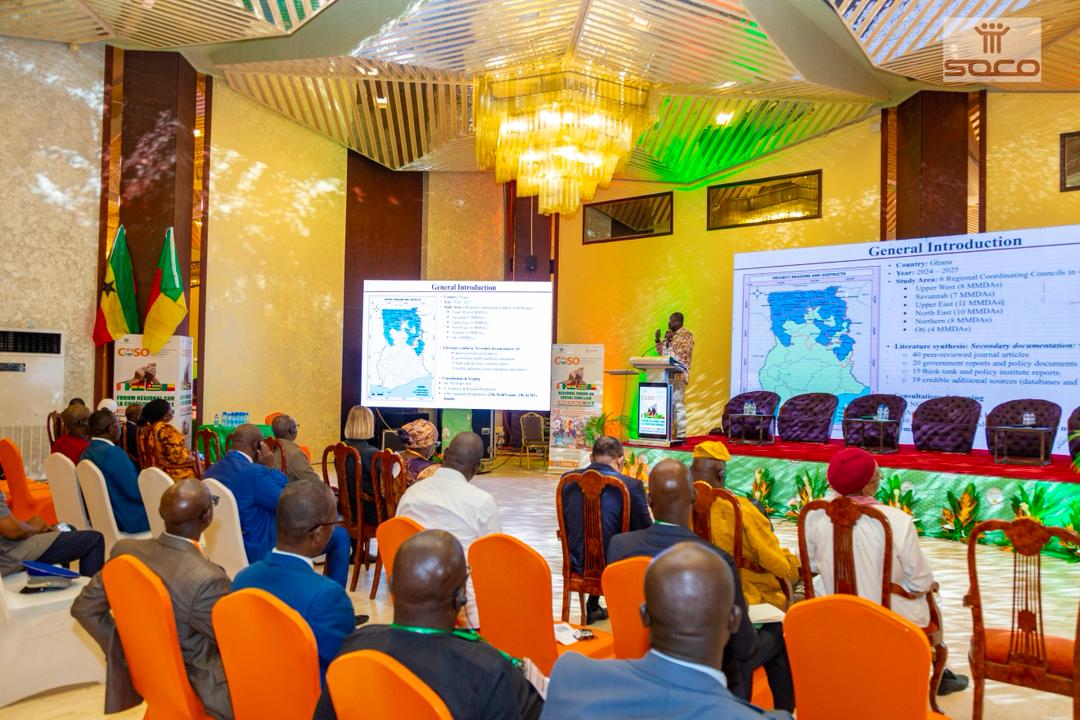
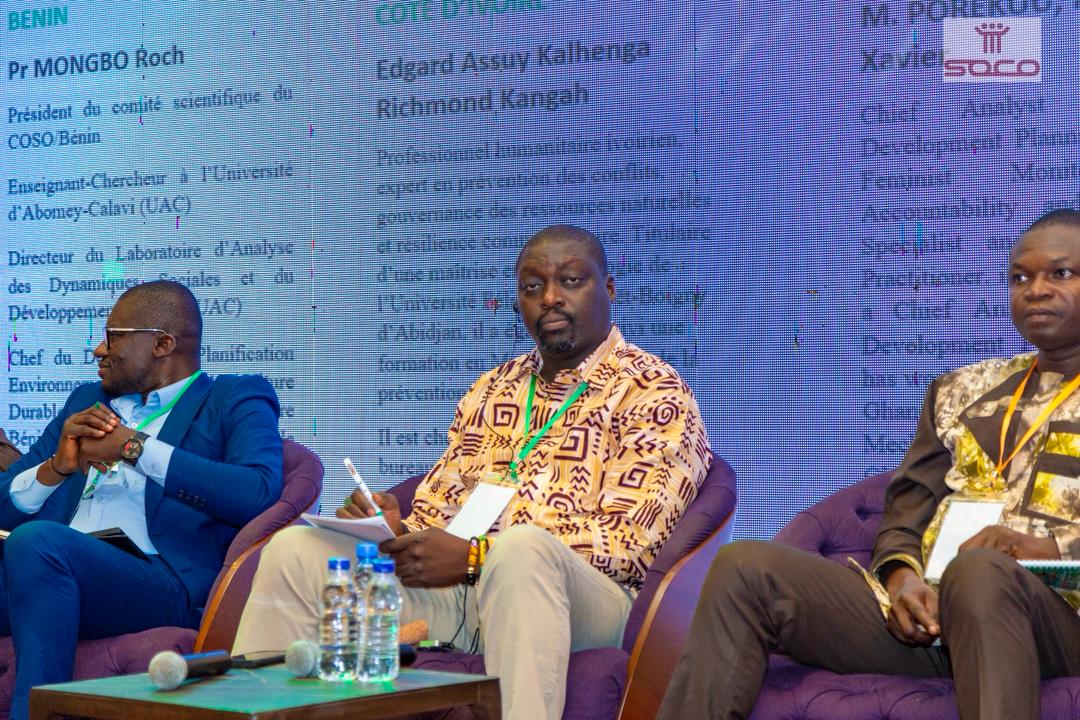
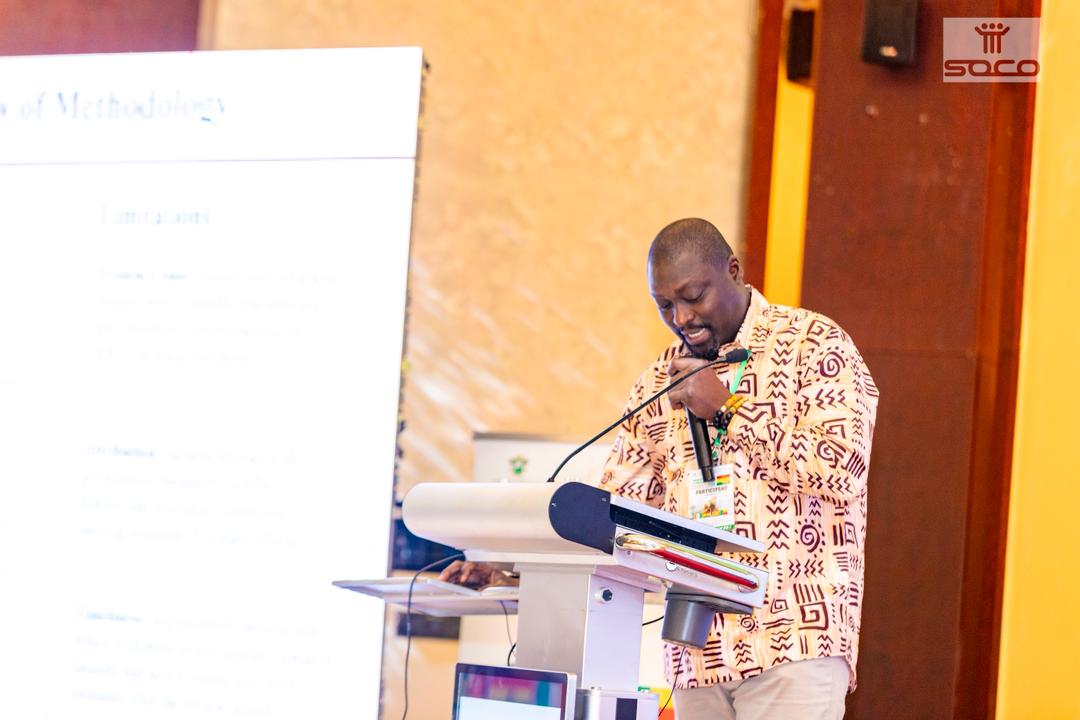
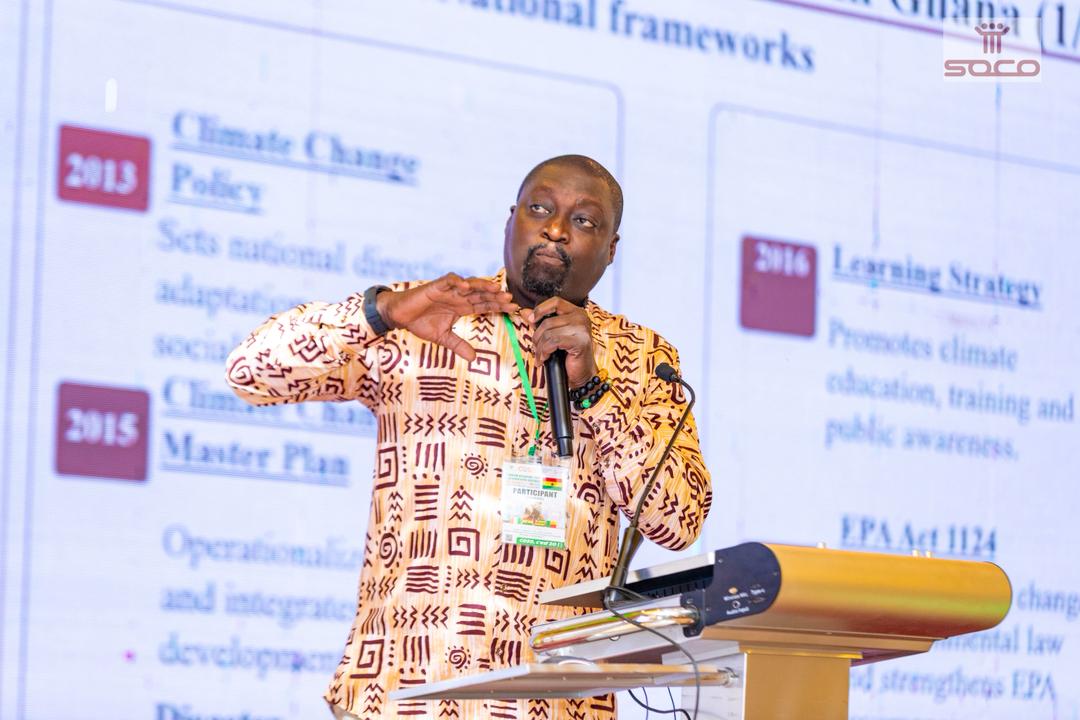
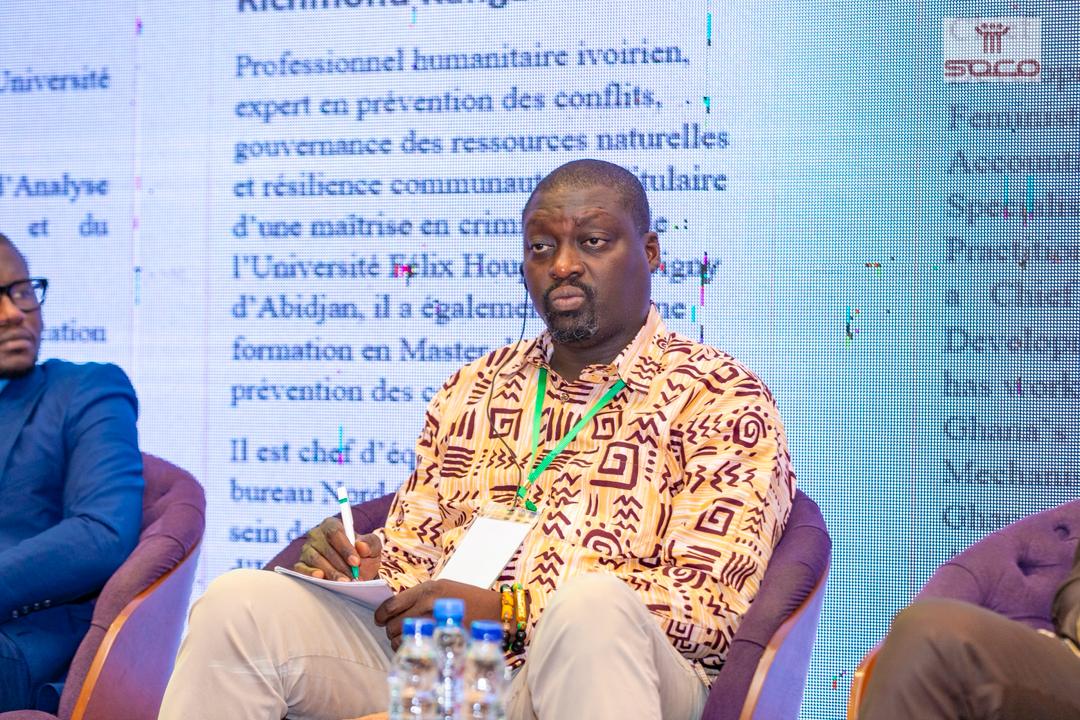
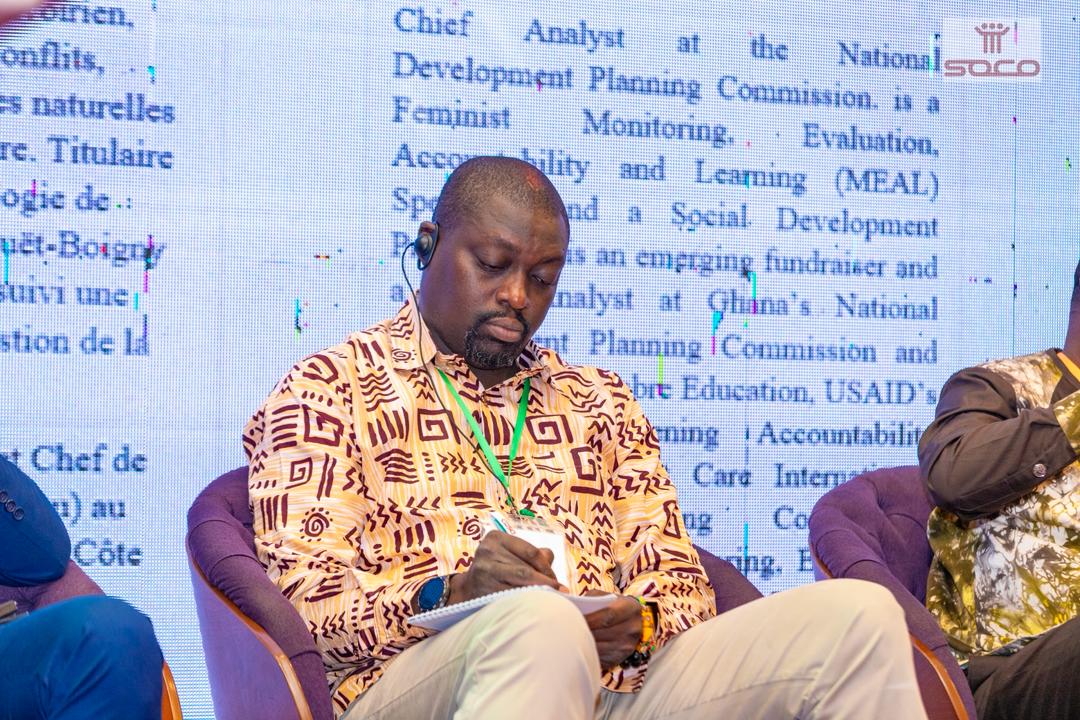
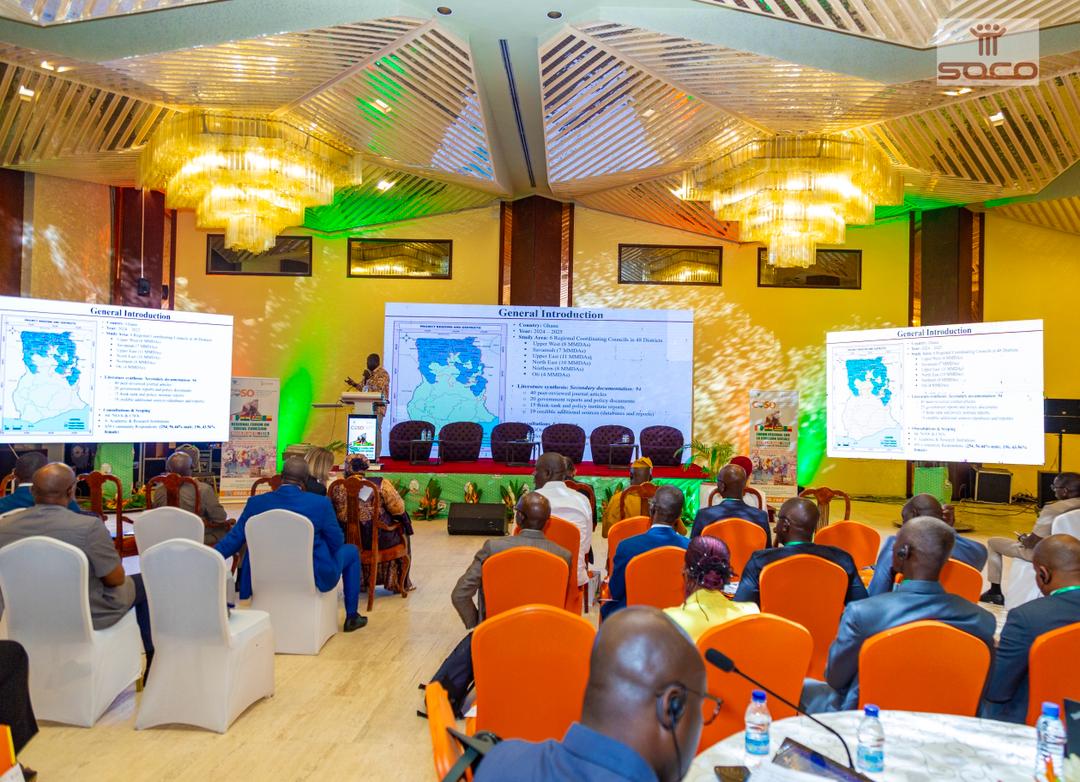
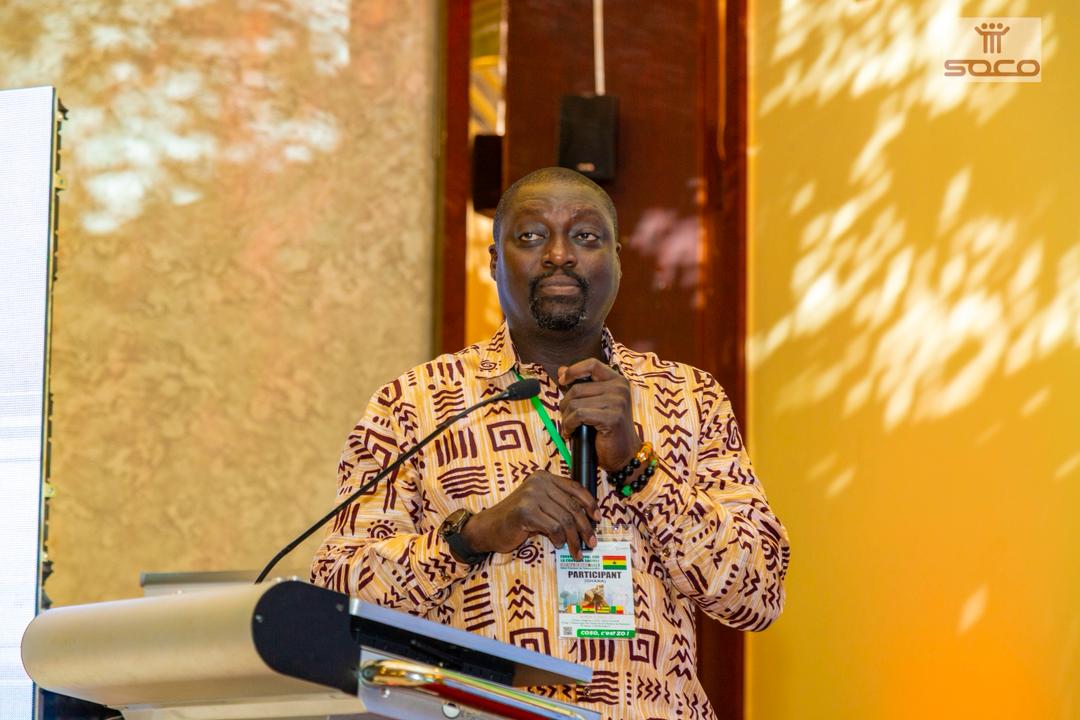
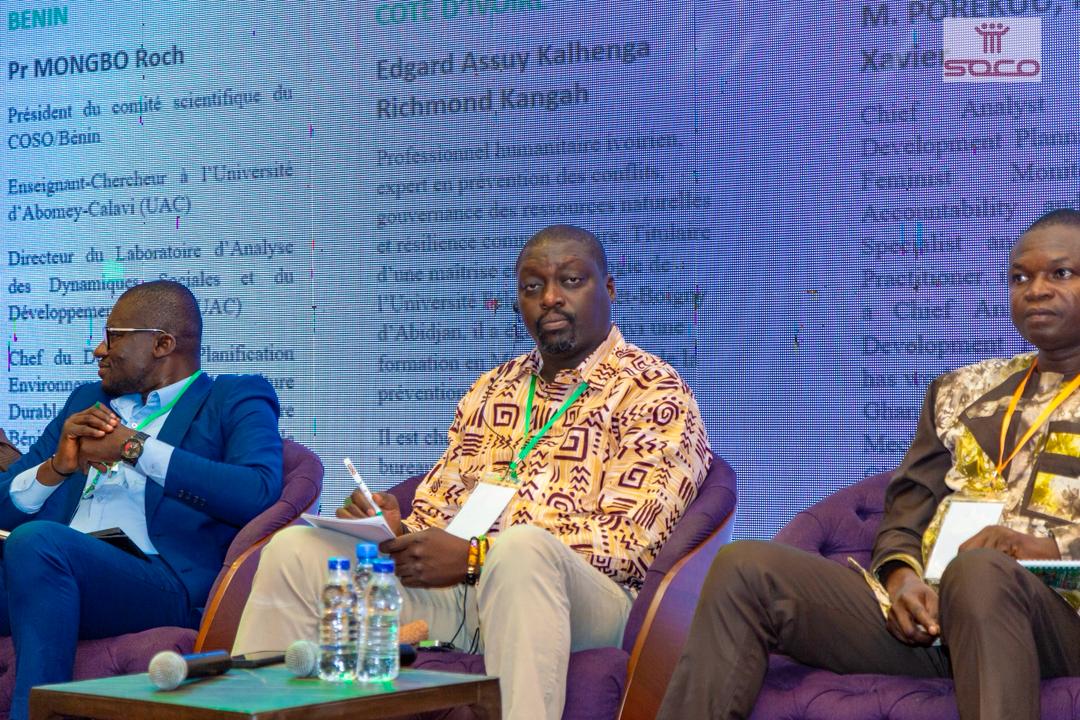
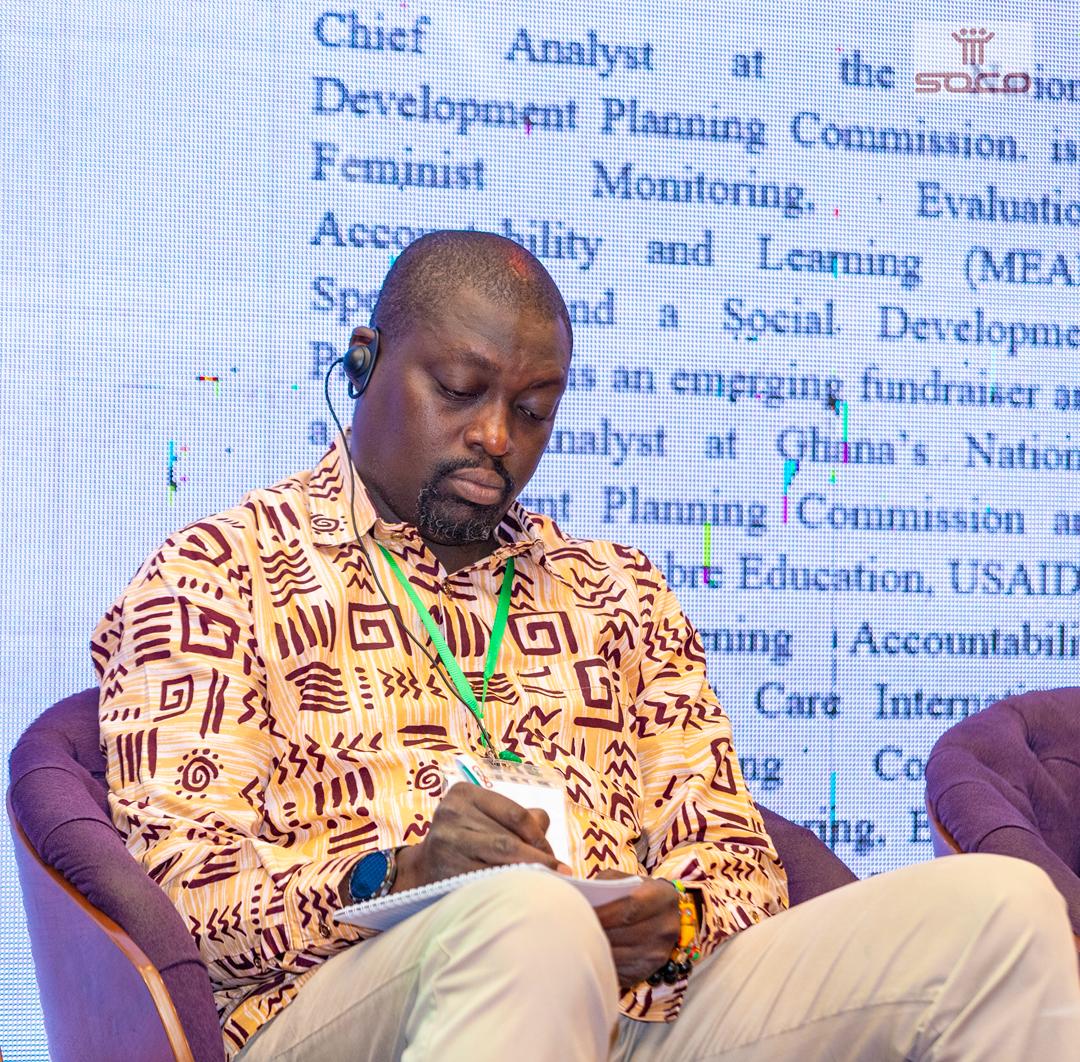
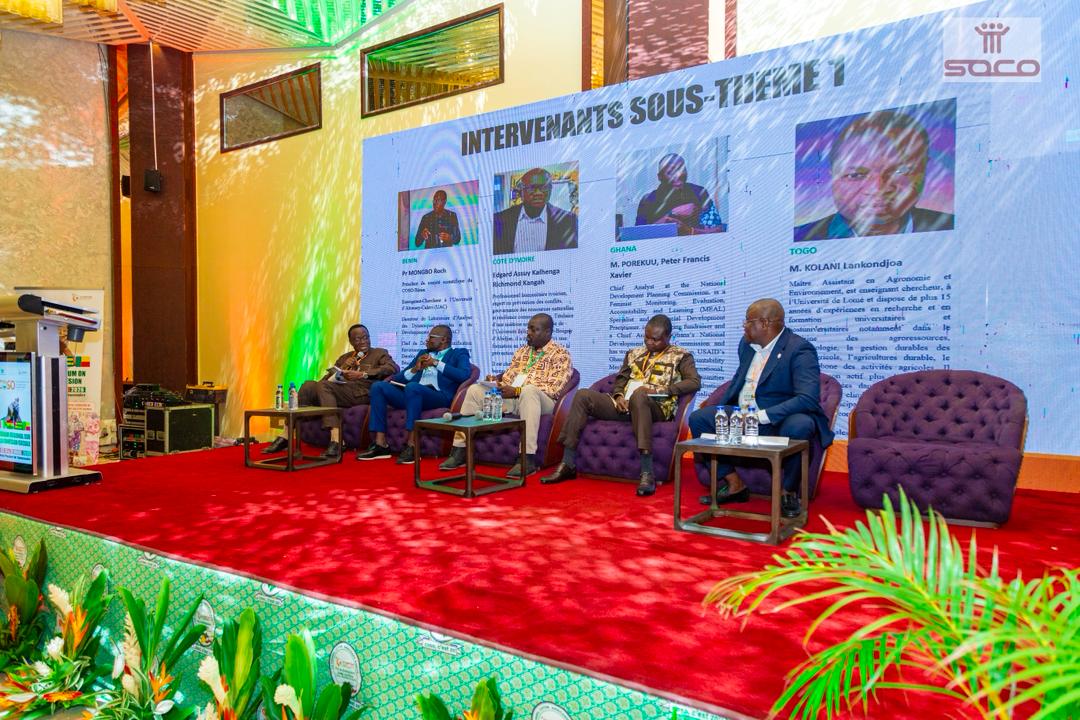
At the just-ended Social Cohesion Regional Conference held in Yamoussoukro, Côte d’Ivoire, the SOCO Project Ghana presented findings on how climate change is affecting livelihoods, migration, and social cohesion across northern Ghana. The presentation, delivered by Mr. Peter Francis Xavier Poreku of the National Development Planning Commission, examined climate pressures across vulnerable districts and how these pressures influence community stability.
The study covered 48 districts across the Upper West, Upper East, Northern, Savannah, North East, and Oti Regions. These areas rely heavily on rain-fed agriculture and are increasingly exposed to erratic rainfall, prolonged dry spells, and flooding. The presentation indicated that “climate variability is already affecting crop production, reducing household income, and weakening livelihood security in climate-exposed communities.” These changes, the study noted, are gradually altering economic conditions within households. Declining agricultural productivity was identified as a major concern. Reduced yields, crop losses, and shorter farming seasons are limiting income sources. The presentation explained that “repeated climate shocks are narrowing livelihood options and pushing households to adopt coping strategies including migration, diversification into low-return activities, and increased dependence on natural resources.”
Migration patterns linked to climate stress were also highlighted. The study found that many young people move in search of alternative opportunities when farming conditions become uncertain. According to the presentation, “climate stress is contributing to seasonal and permanent migration, particularly among youth seeking employment outside their communities.” This movement, the study explained, reshapes population dynamics and places pressure on receiving communities.
The findings further examined how climate pressures influence social cohesion. Increased demand for land, water, and grazing areas can heighten competition where resources are limited. The presentation noted that “climate variability increases pressure on natural resources and may affect relations between groups, particularly where mediation systems and governance structures are weak.” However, communities with functioning dialogue platforms and strong traditional institutions were found to manage tensions more effectively.
The study also highlighted displacement linked to climate events such as flooding and storms. These shocks disrupt livelihoods, damage infrastructure, and force households to relocate. The presentation stated that “climate-induced displacement is gradually reshaping settlement patterns and increasing pressure on services and livelihoods in host communities.”
The SOCO Project Ghana interventions were identified as part of the response to the impact of climate change on these communities. Investments in livelihood diversification, infrastructure, and community dialogue mechanisms help reduce vulnerability. The presentation emphasised that “integrated interventions combining livelihoods, infrastructure, and mediation help strengthen resilience and social cohesion in climate-affected communities.”
The study recommended strengthening early warning systems, improving migration planning, supporting climate-resilient livelihoods, and investing in receiving communities. The findings reinforced the need to integrate climate adaptation and social cohesion interventions within the SOCO Project Ghana activities.