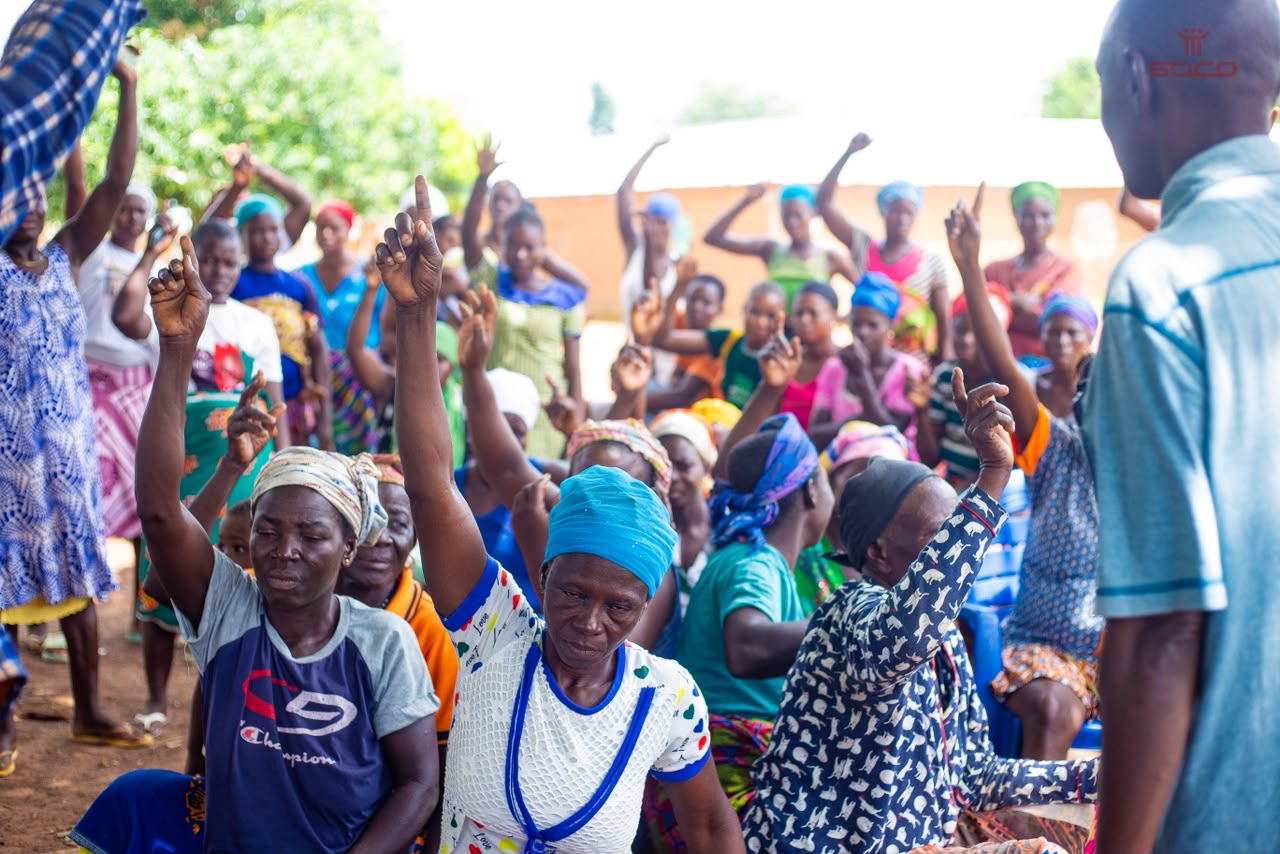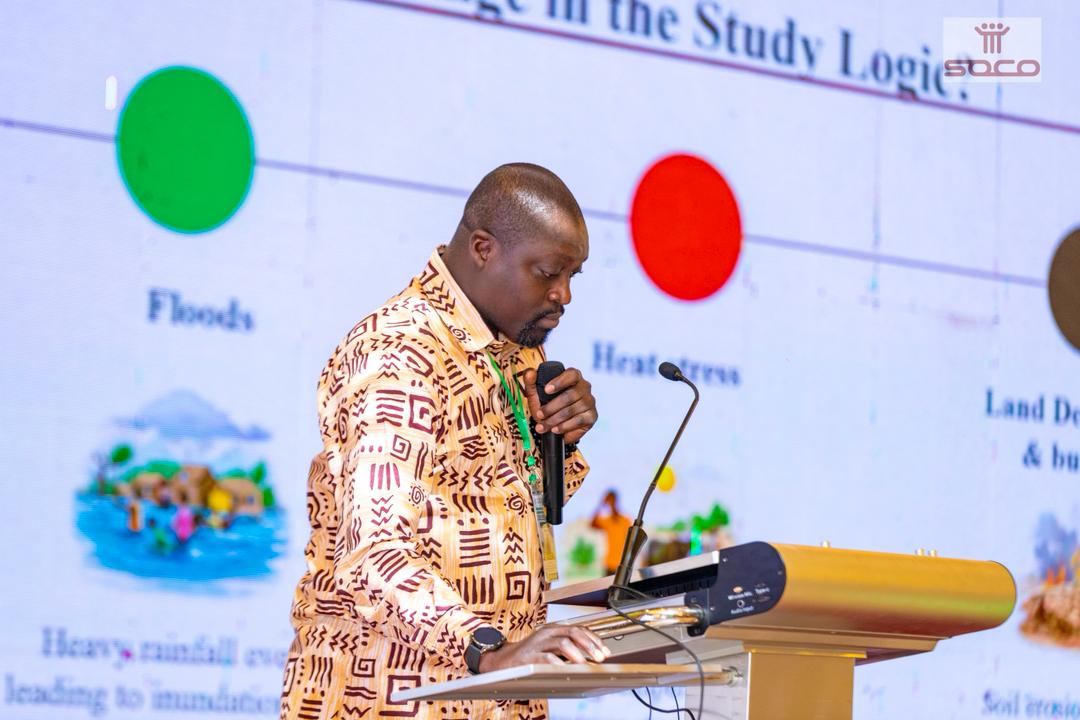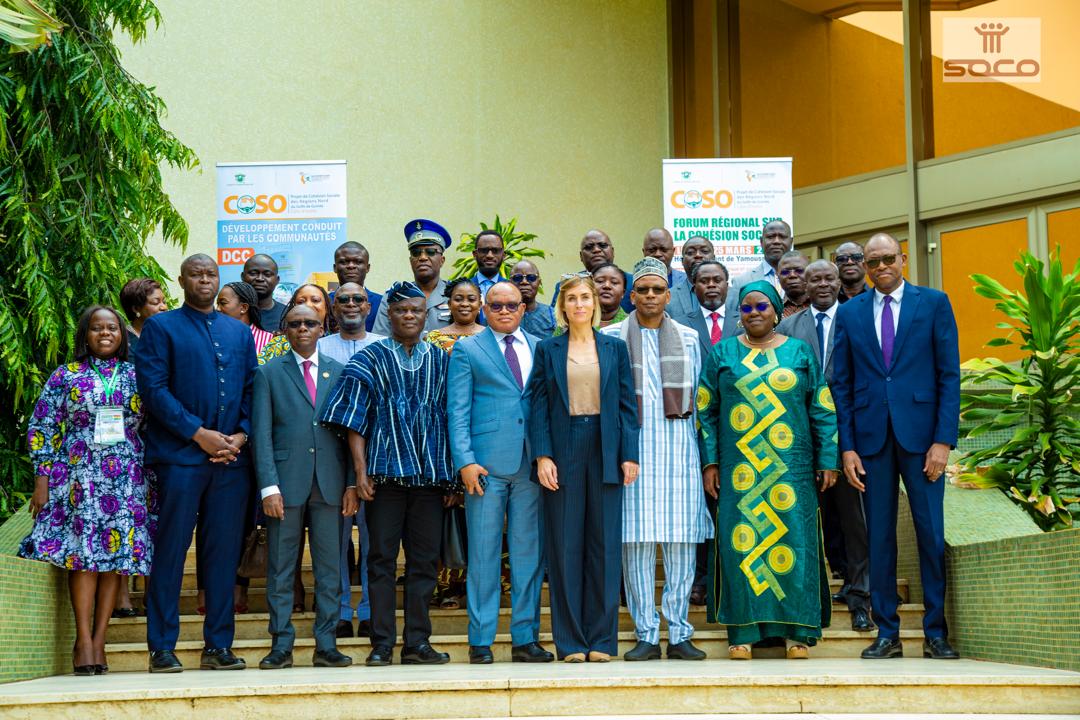
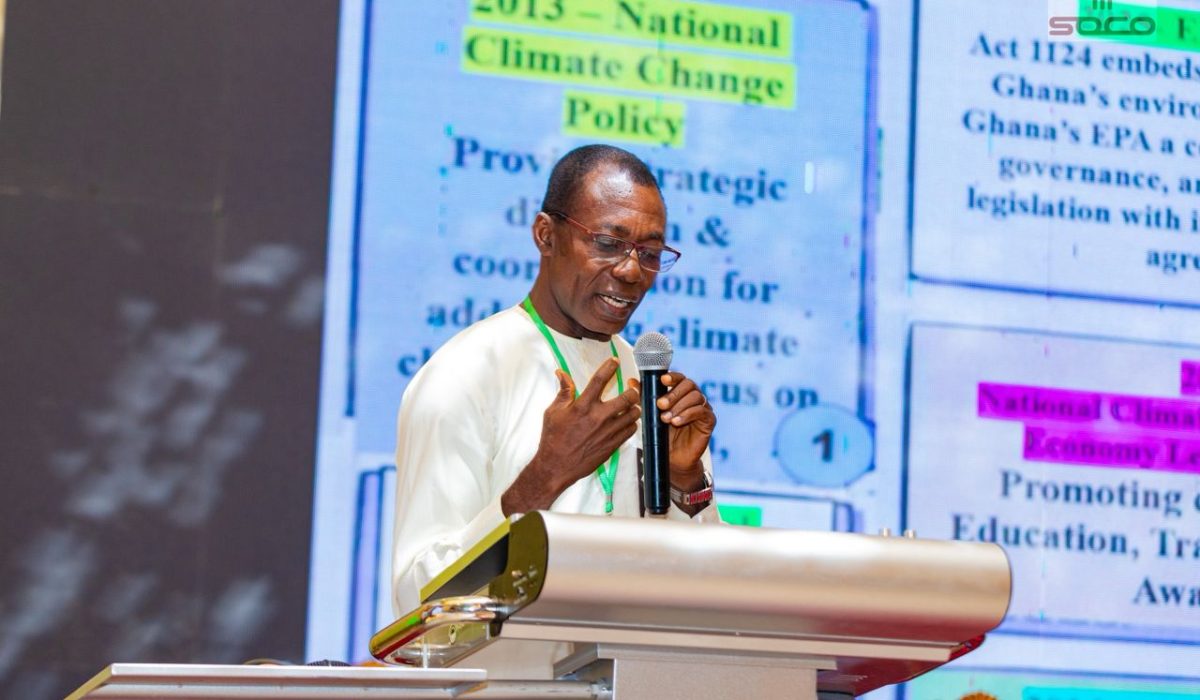
Discussions at the Social Cohesion Regional Conference in Yamoussoukro, Côte d’Ivoire, featured Ghana’s climate governance and policy response, with the SOCO Project Ghana presenting national approaches to managing climate risks and strengthening resilience in vulnerable communities. The presentation was delivered by Dr. Emmanuel Tachie-Obeng of the Environmental Protection Authority and focused on climate trends, policy frameworks, and planning tools guiding adaptation efforts in Ghana.

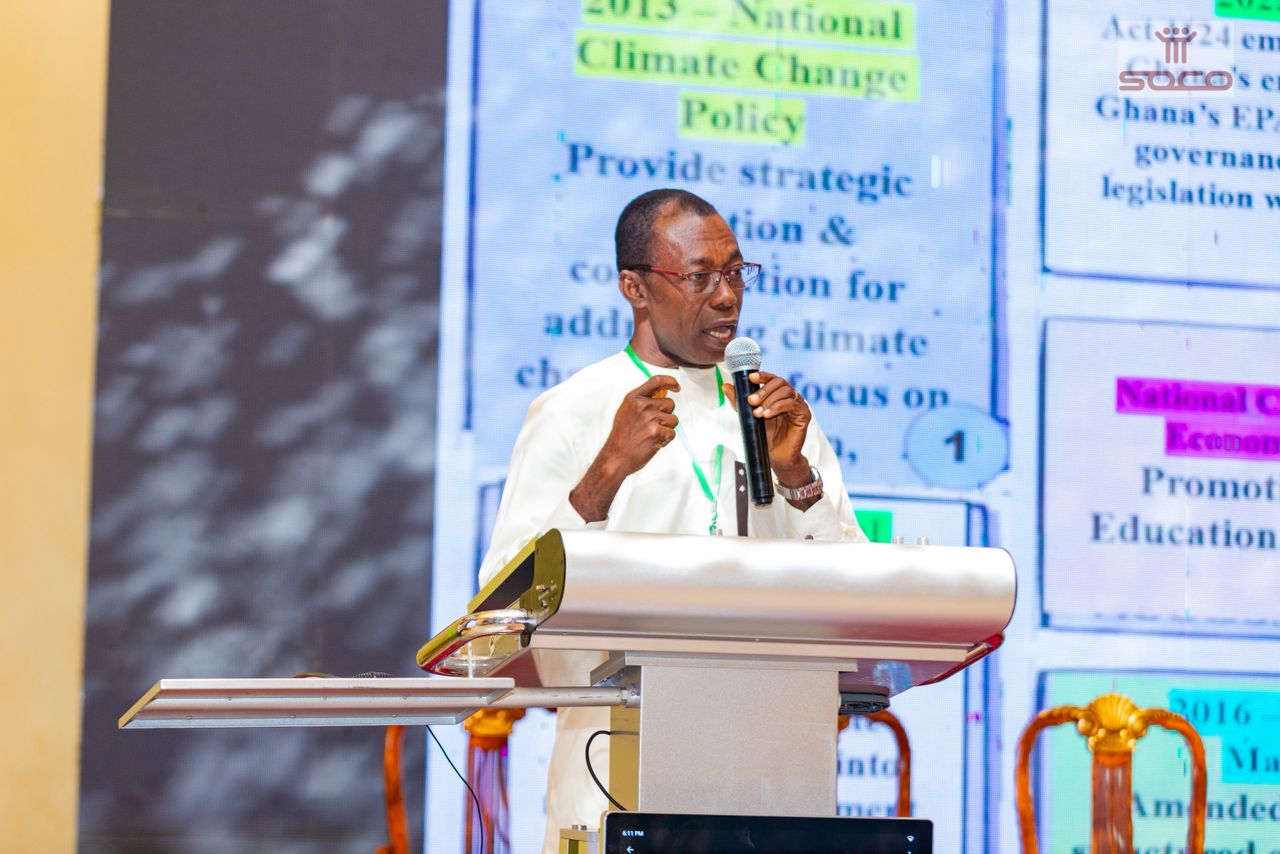
The presentation highlighted that Ghana is experiencing increasing climate variability, particularly in northern regions. Rising temperatures, unpredictable rainfall, prolonged dry spells, and flooding are already affecting livelihoods. It was indicated that “climate projections suggest temperature increases between 1°C and 3°C, accompanied by more frequent extreme weather events and reduced rainfall reliability.” These changes, the presentation noted, are likely to affect agriculture, water resources, and household income.
Agriculture-dependent communities were identified as highly exposed. Shorter growing seasons and erratic rainfall patterns are affecting crop productivity and income levels. The presentation stated that “climate variability is reducing agricultural productivity and affecting food security, especially within rain-fed farming systems.” These conditions, it explained, may contribute to poverty and limit employment opportunities, particularly for young people.
Water stress and flooding risks were also discussed. Reduced water availability in some areas and periodic flooding in others are affecting settlements, infrastructure, and economic activities. These pressures influence migration patterns and increase vulnerability. The presentation noted that “climate shocks are expected to increase migration and place pressure on already fragile communities and services.”
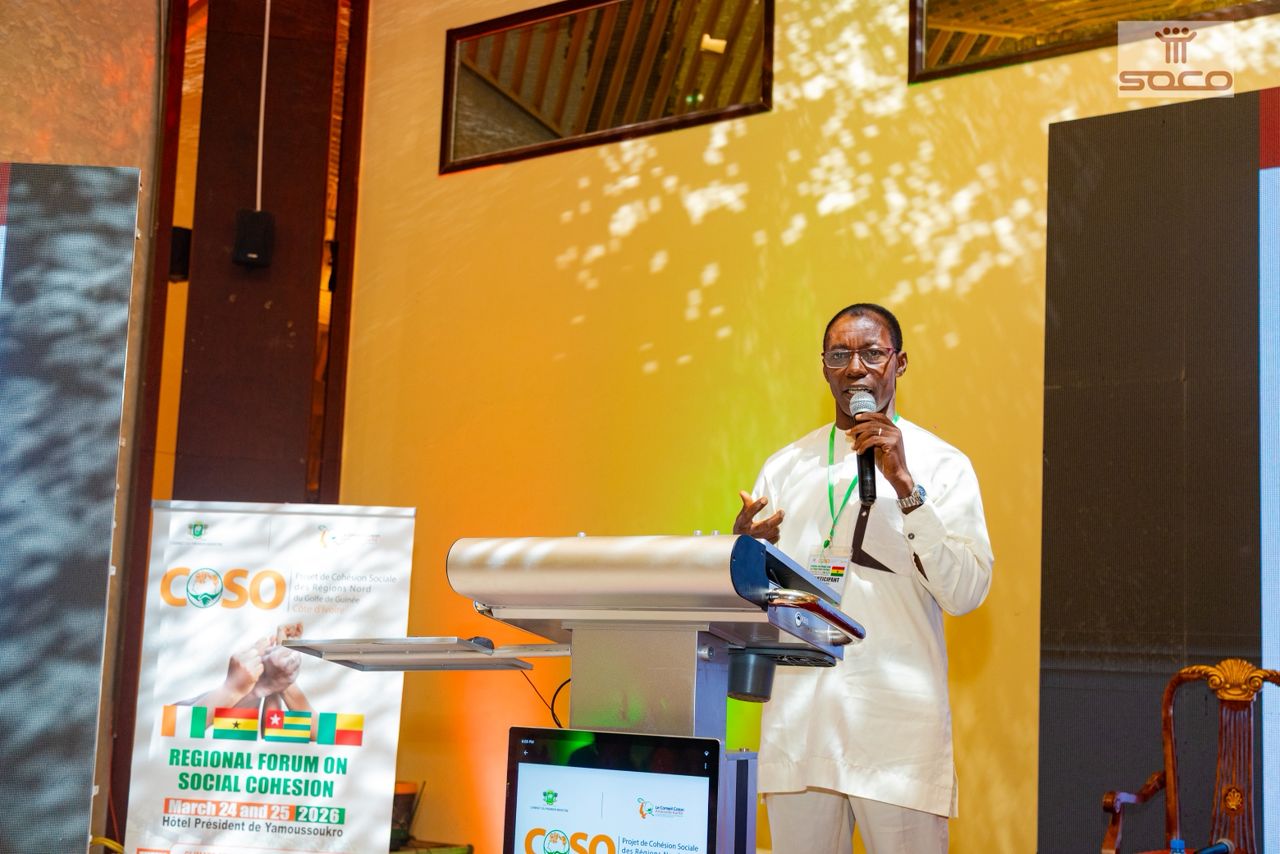


Ghana’s climate governance framework was outlined as part of the response. These include the National Climate Change Policy, National Climate Change Master Plan, and National Adaptation Plan. These frameworks guide climate-responsive planning, infrastructure development, and disaster risk reduction. The presentation further explained how climate considerations are integrated into district-level planning. Climate risk screening, environmental assessments, and hazard mapping are applied in development planning to reduce exposure to climate shocks. These tools help ensure infrastructure investments are resilient and sustainable.
Sector-specific interventions were also highlighted. Drought-tolerant crop varieties, irrigation expansion, solar mini-grids, and flood early warning systems are being promoted to support livelihoods. These measures help reduce vulnerability and strengthen resilience in climate-exposed communities. The presentation emphasized the link between climate adaptation and social cohesion. Climate-induced migration, competition over land and water, and declining livelihoods can influence stability. It was noted that “climate adaptation and social cohesion interventions must be implemented together to reduce vulnerability and strengthen community stability.”
The presentation concluded by emphasising the need to integrate climate risk considerations into national and district planning, strengthen institutional coordination, and promote climate-responsive investments in agriculture, water, and infrastructure. It highlighted that effective climate governance, supported by policy implementation and local planning tools, is essential to reducing vulnerability and supporting resilient communities.